
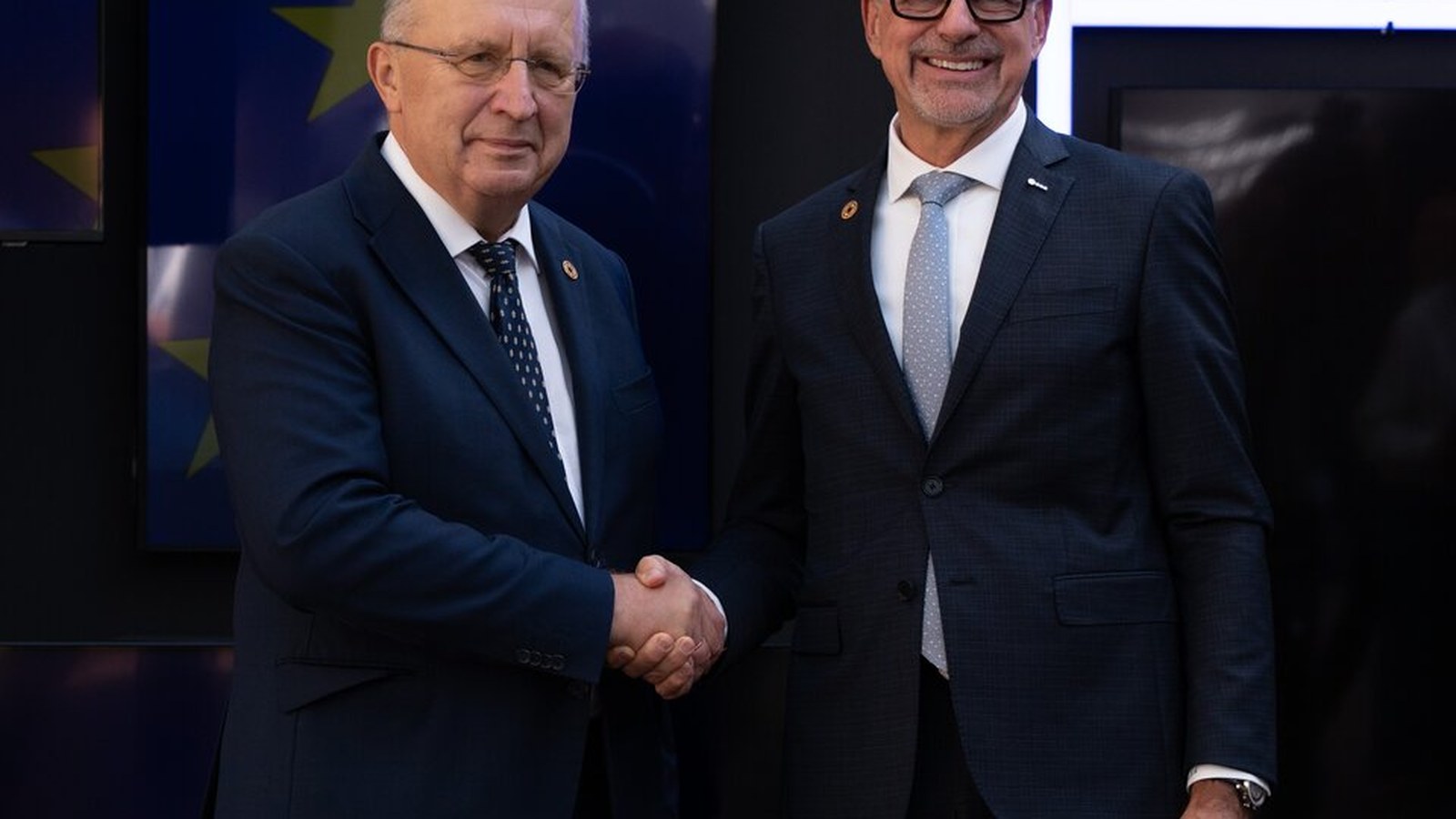
The European Space Agency published an account on 16 September of European commitments to safer and more sustainable space activity, after the International Space Summit in Paris on 9–10 September. The summit brought together 90 national delegations and international organisations as the number of satellites and other objects in low Earth orbit continues to grow.
Outcomes included a joint ESA–European Commission declaration on In-Space Operations and Services (ISOS) and support for two sustainability declarations. Participants endorsed the “Declaration for a sustainable use of outer space for all”, reaffirming the 1967 Outer Space Treaty and the role of COPUOS.
Space debris — retired satellites and fragments from collisions or explosions — remains a central problem. Even small pieces travel at very high speeds and can damage working spacecraft. ESA is keeping its Zero Debris approach, aiming to limit significantly the creation of new debris in Earth and lunar orbits by 2030.
For operators, that can mean missions designed so satellites can be safely retired, lower fragmentation risk and better collision avoidance. Such initiatives are commitments and standards, not by themselves binding European law for every commercial operator.
The issue is becoming more important as commercial constellations expand and launch rates increase. Keeping orbital space usable in the long term depends not only on launching new satellites but also on how they are designed, operated and retired.
The summit also backed the ITU framework for radio spectrum and orbits, including equitable access for developing countries. ESA links these goals to in-orbit services (refuelling, assembly, inspection, recycling), ecodesign and responsible use of radio frequencies.
Image: ESA — “A shared vision for Europe’s future in orbit”, from the 16 September 2026 Clean Space article. ESA Standard Licence. Cropped to 16:9.
Source consulted: ESA — Europe commits to sustainable practices in space.



0 Comments
No comments on this article yet. Be the first!