
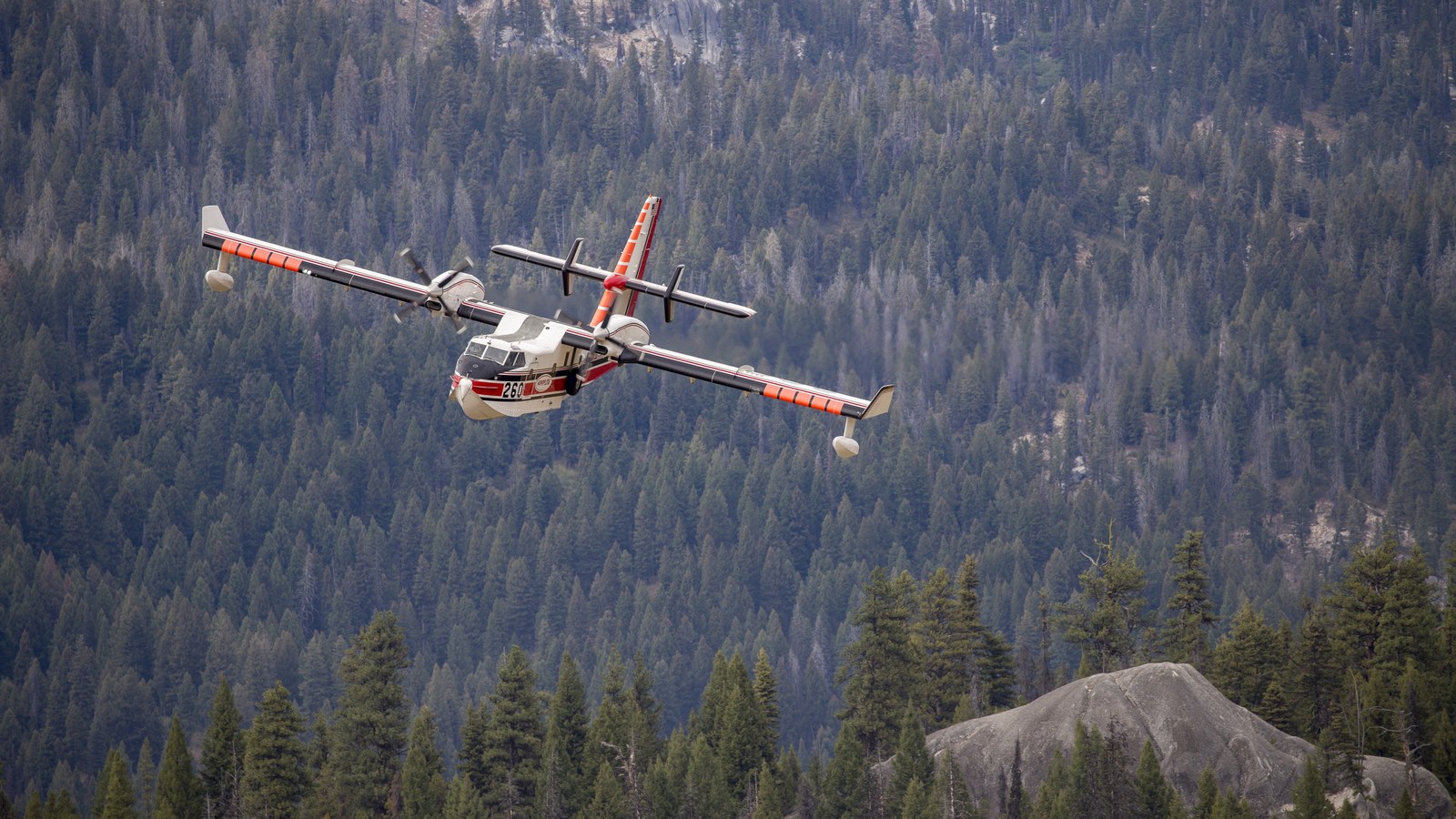
In her 16 September State of the Union address, Ursula von der Leyen announced a European Heatwave Plan and a European fleet of firefighting aircraft. Summer 2026 brought extreme heat, drought and fires across much of the continent; the Commission president said Europe is warming faster than the global average.
The current civil-protection mechanism, including the rescEU reserve, still relies largely on aircraft and crews made available by states. The Commission already coordinated an expanded 2026 deployment — dozens of planes and helicopters from the joint fleet, plus pre-positioned firefighters. That does not mean a fully EU-owned fleet has already been bought and is ready to fly.
Owned capacity would, in theory, shrink the gap when several countries ask for help at once. Fleet size, costs, bases and timetable depend on later budget proposals and decisions. The first aircraft from purchase programmes already under way are expected, according to the Commission, only around 2028.
The announcement sets a political direction. It is not a published procurement contract and not a “ready tomorrow” fleet figure. Summer death estimates vary by source; this article does not repeat them without a clear official statistic.
Coordination among emergency services, public health, farming and energy remains work for member states, with European support. The heatwave plan is, for now, an intention to design, not a regulation in force.
This article distinguishes intent from a fleet already operating as exclusive EU property.
The picture shows a firefighting aircraft, not victims and not an undelivered airframe presented as already in service.
Image: Canadair CL-415, Boise, 2016 / US Forest Service / Wikimedia Commons, public domain. A firefighting aircraft, not the still-unbought European fleet. Cropped to 16:9.
Source consulted: European Commission — rescEU; European Commission — Wildfires and civil protection.



0 Comments
No comments on this article yet. Be the first!