


Romania recorded the European Union’s sharpest drop in the house price-to-income ratio between 2015 and 2025 — a 42.8% decline — according to Eurostat figures reported by CaleaEuropeană.ro.
Across the EU the same indicator rose 6.8% over the decade. In 17 member states house prices outpaced gross disposable income per capita; the steepest climbs were in Portugal (+60.8%), the Netherlands (+34.3%), Hungary (+26.5%), Czechia (+25.8%) and Spain (+24.5%).
Romania leads the group of 10 countries where the ratio fell, ahead of Finland (−25.2%) and Bulgaria (−16.2%). Eurostat stresses the measure tracks change over time, not absolute housing-cost levels versus income.
On rents, Romania posted the EU’s largest rise in the second quarter of 2026 versus the 2025 annual average — up 41.2% — ahead of Croatia (+22.1%) and Slovenia (+10.2%).
In the same window, EU house prices rose 4.7% and rents 3.0% year on year versus Q2 2025. The sharpest price gains were in Bulgaria, Portugal and Lithuania; Finland and France saw declines.
Romania also has the EU’s highest overcrowding rate among 15–29-year-olds: 60.4% in 2025, against an EU average of 26.9%. The gap versus the overall population (40.4%) exceeds 20 percentage points, alongside Bulgaria and Greece.
In September the European Commission proposed an Affordable Housing Act to frame common rules for stressed housing markets and measures on short-term lets or long-vacant homes.
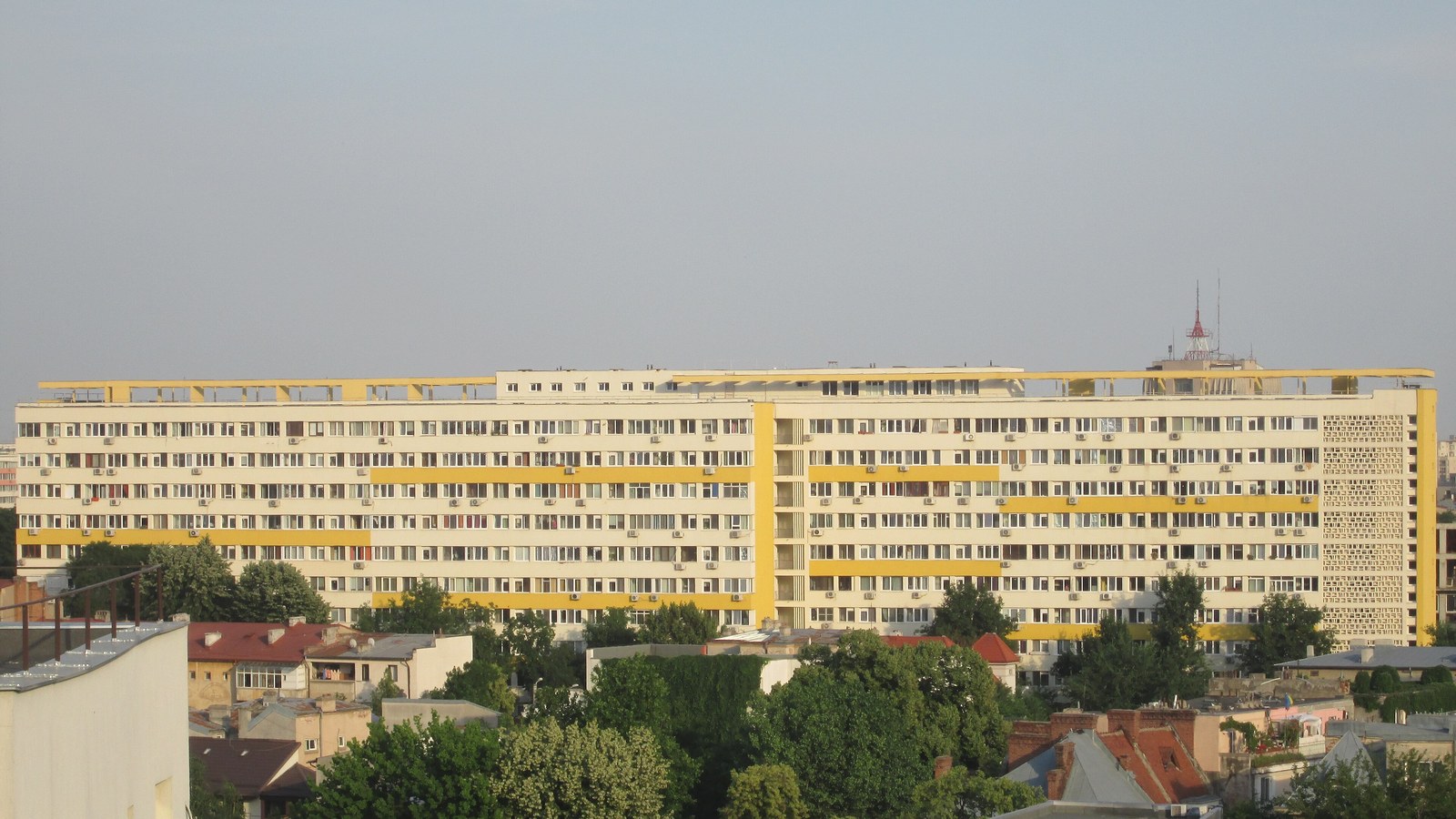
Image: TrainSimFan — P10 apartment block, Bucharest (Wikimedia Commons, CC BY-SA 4.0).
Sources consulted: Eurostat: Romania’s sharpest house price-to-income drop — CaleaEuropeană.ro.








0 Comments
No comments on this article yet. Be the first!