


The Protocol for the Prohibition of the Use in War of Asphyxiating, Poisonous or Other Gases, and of Bacteriological Methods of Warfare was signed at Geneva on 17 June 1925, at the Conference for the Supervision of the International Trade in Arms and Ammunition, opened on 4 May, under the auspices of the League of Nations, in a single copy, the French and English texts being equally authentic. Depositary: the Government of the French Republic. It is not the Chemical Weapons Convention of 1993, nor the Biological Weapons Convention of 1972, nor the arms-trade convention signed the same day (which did not enter into force). The Protocol follows the Hague Declaration of 1899 and Versailles clauses; it prohibits use, not production, stockpiling or transfer.
The parties accept the prohibition of the use in war of asphyxiating, poisonous or other gases and of all analogous liquids, materials or devices, agree to extend it to bacteriological methods of warfare, and agree to be bound as between themselves according to this declaration. Lists of agents, methods of use and weapon catalogues are not transcribed. Accession is notified to France and takes effect on the depositary’s notification. Ratifications are addressed to France, which notifies signatories and acceding Powers; the instruments remain in the French archives.
The Protocol comes into force for each signatory Power as from the date of deposit of its ratification and, from that moment, that Power is bound as regards others which have already deposited. The ICRC records 8 February 1928 as the entry-into-force date; France was the first signatory to ratify, on 10 May 1926. LNTS No. 2138, volume 94. Many reservations limited the obligation to reciprocity among parties or provided that it would cease vis-à-vis an enemy that failed to observe the prohibitions; an exhaustive list is not invented here.
The text does not cover production or stocks; those were addressed later. UN General Assembly resolutions 2162 B (1966) and 2603 (1969) called for observance of the Protocol. An operational interpretation handbook is not set out here.
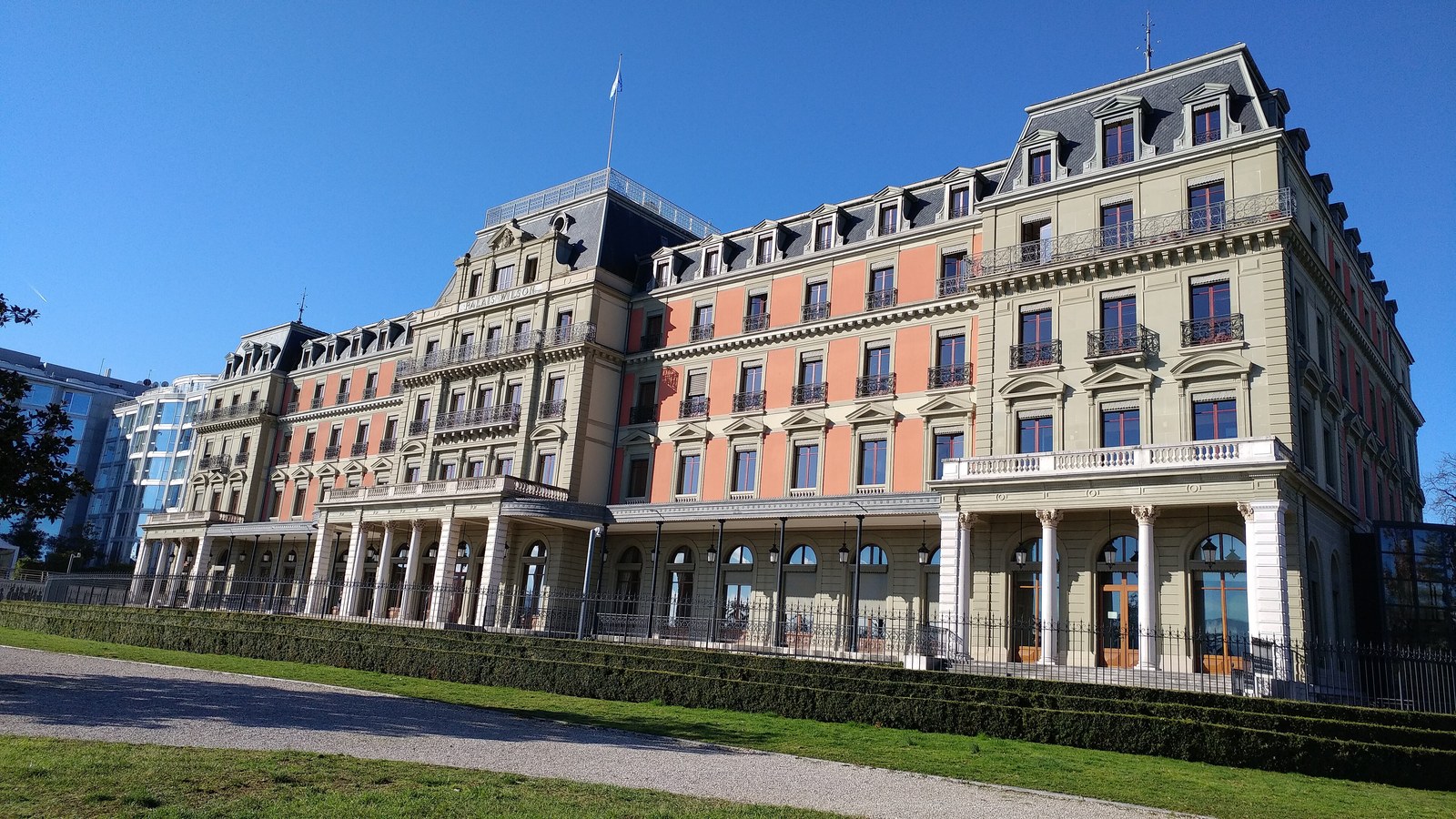
Cover: Palais Wilson in Geneva, the League of Nations seat of the period; we do not claim the conference hall. Wikimedia Commons, free licence.
Sources consulted: Geneva Protocol; Protocol for the Prohibition of the Use in War of Asphyxiating, Poisonous or Other Gases (LNTS No. 2138).











0 Comments
No comments on this article yet. Be the first!