


The summit is on Monday. Invest in Germany, Berlin, 19–20 October. The Financial Times, on the 18th: European business leaders warn that the German far right’s rise casts doubt on reforms and on foreign capital. The AfD won state elections in September. That is the shadow. It is not a Bundesbank communiqué. It is a fear, spoken before the red carpet.
Katherina Reiche, the economy minister, had already said it in August, also to the FT: support for the AfD may give pause to the funds Berlin is courting. The target: at least €3.75 trillion of private capital by 2040, plus about €1.9 trillion public, after loosening the debt brake. The AfD programme, in her mouth: a wild mixture, no clear concept, with socialist elements. Abroad: one of Putin’s best allies. Tanja Gönner, of the BDI: an AfD role in a state government would be disastrous for the investment location. Friedrich Merz, also in August, to Reuters: an AfD victory in Saxony-Anhalt would deter foreign firms from investing there. In September the AfD came first in the state. The summit was not postponed.
The Chancellery: for the first time, about 200 executives and investors, national and international, with the political top. Monday evening, a reception at Kraftwerk Berlin. Merz opens. On stage, among others, Jensen Huang of NVIDIA. Tuesday, sessions. Reiche with Roland Busch of Siemens, on industrial AI and semiconductors. Lars Klingbeil with Valérie Baudson of Amundi. Reiche with Larry Fink of BlackRock, on energy. Christian Sewing of Deutsche Bank. The summit site is a catalogue of an open door. The FT is the catalogue of doubt.
Germany is selling the Mittelstand, the generational handover, the single market. Buyers also weigh the states. Polarisation, unstable coalitions, skilled labour hard to bring in — those are the fears in the press, not a rating. Anyone who turns them into insolvency skips the 3.75. Anyone who ignores them skips September.
The AfD will not sit at Monday’s table. It sits in the poll that became a result. The investors sit at Kraftwerk. Between them, a government that asks for money and a party the same government calls a risk. That is not a slogan contradiction. It is a summit held after a ballot.
Until Tuesday’s pledges, the warning remains. After the pledges, what remains is whether the figures came with the states or in spite of them.
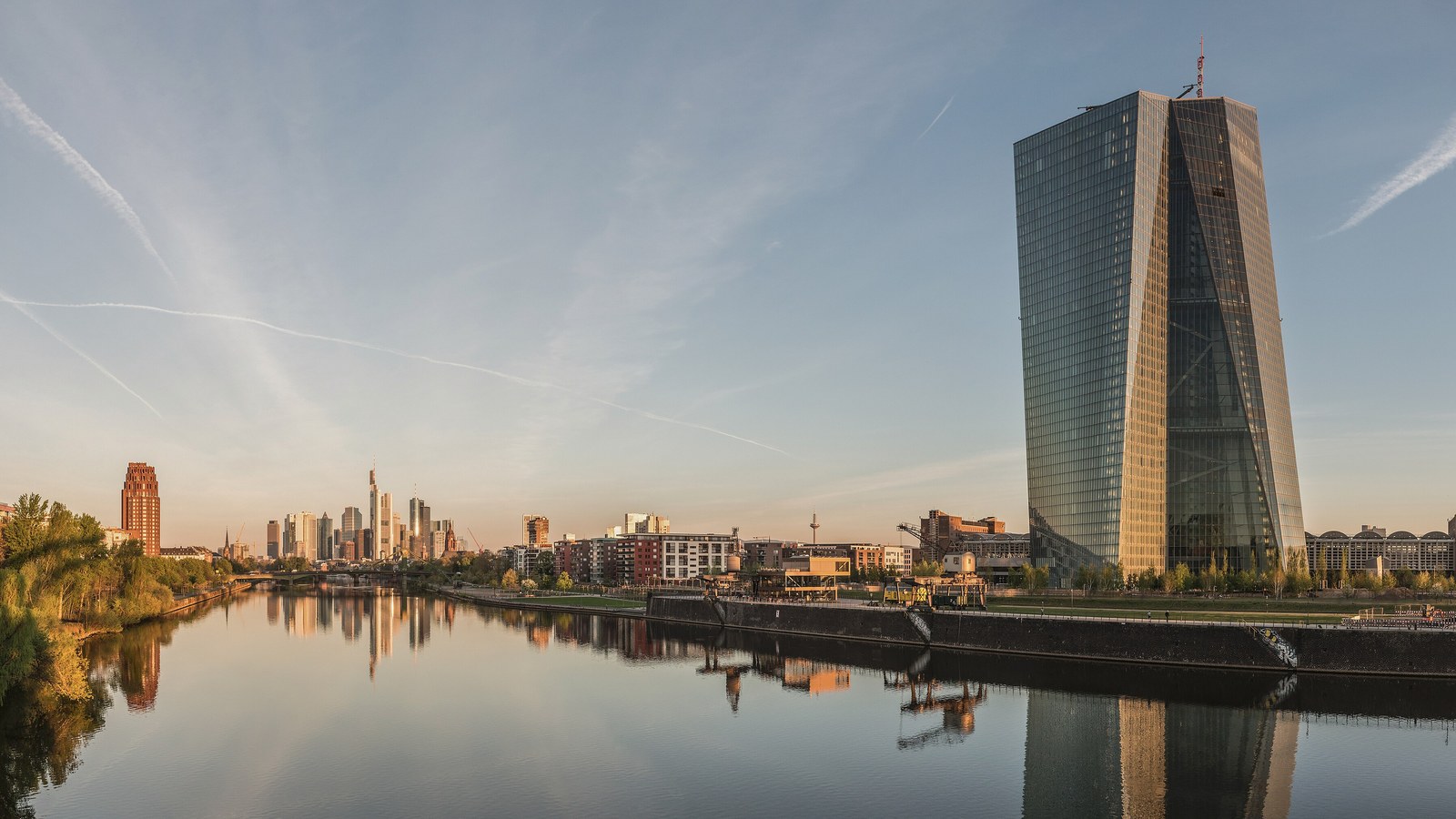
Image: DXR, the ECB seat and Frankfurt skyline, 22 April 2015, CC BY-SA 4.0, Wikimedia Commons. The photograph is of the financial skyline, not the hall at Kraftwerk Berlin.
Sources consulted: Far-right election gains threaten Germany’s investment drive — Financial Times; Participation in the Invest in Germany Summit — Federal Chancellery.











0 Comments
No comments on this article yet. Be the first!