


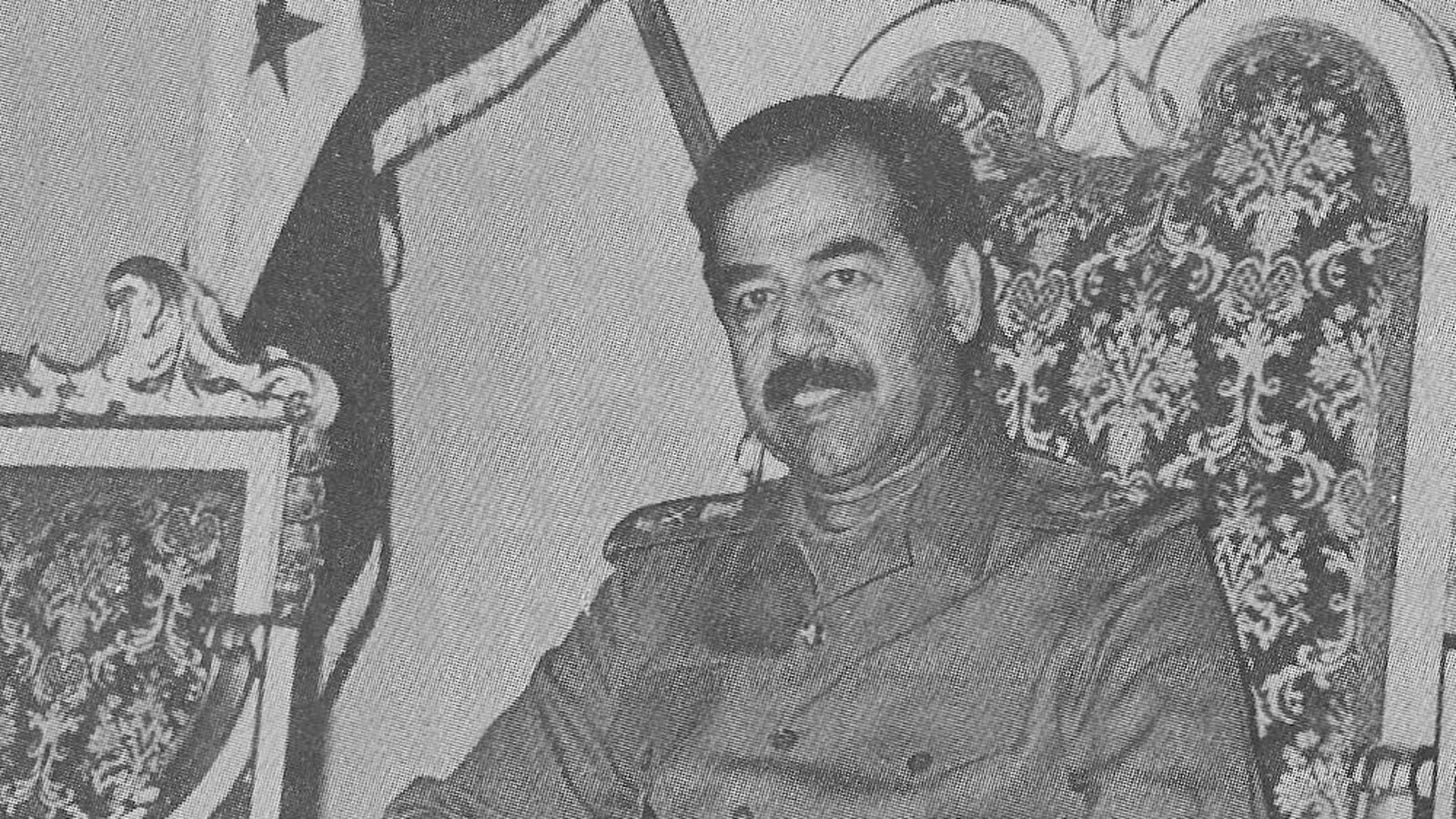
In Baghdad, on 27 March 1989, the Republic of Iraq and the Kingdom of Saudi Arabia sign the Treaty of Nonaggression (1989 Iraqi–Saudi Treaty of Nonaggression). The pact is concluded during King Fahd’s visit to Baghdad with Saddam Hussein; the language is Arabic. The parties commit to mutual non-aggression and non-interference in internal affairs.
The context is the end of the Iran–Iraq War (August 1988): Iraq emerges militarily strong but with 60–80 billion dollars in debts to Gulf states. The common Iranian threat vanishes; Gulf monarchies fear Iraq’s army and Saddam’s pan-Arab rhetoric.
In February 1989 Iraq forms the Arab Cooperation Council (Iraq, Jordan, Egypt, North Yemen), seen in Riyadh as a ring around the GCC. Fahd visits Baghdad and Cairo for assurances; Saddam proposes a nonaggression treaty; Fahd accepts after hesitation, citing existing Arab League commitments.
In the following months relations look cordial (OPEC cooperation, debt-relief gestures). The Saudis at first try to mediate the Iraq–Kuwait dispute.
The pact does not stop the 1990 crisis: Iraq invades Kuwait on 2 August; Iraqi missiles later strike Saudi targets in the Gulf War — the treaty is de facto void.
The Iraqi–Saudi nonaggression treaty of 27 March 1989 remains the post-war rapprochement between Baghdad and Riyadh, shattered in under seventeen months by the invasion of Kuwait.
Image: leaders / Baghdad; Wikimedia Commons. Cropped to 16:9.
Source consulted: 1989 Iraqi–Saudi Treaty of Nonaggression. Treaty text: King Fahd visit / nonaggression pact report (Los Angeles Times, 28 March 1989).











0 Comments
No comments on this article yet. Be the first!