


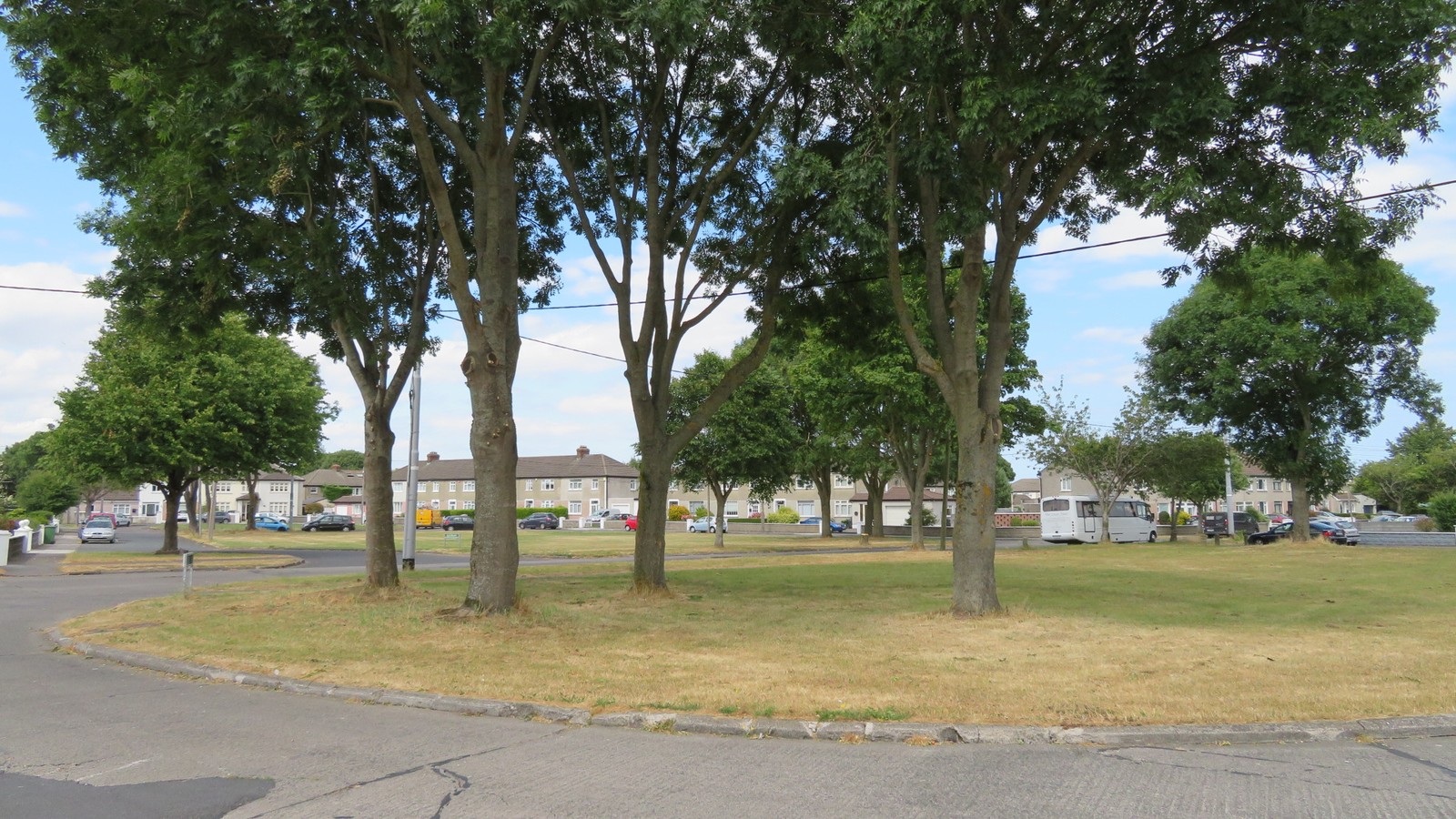
Irish house prices rose 14.4% faster than incomes between 2015 and 2025 — more than double the EU average of 6.8% — according to Eurostat’s latest house price-to-income report, published on Monday. In other words, buying power for would-be homeowners has deteriorated further.
Ireland was not the worst. Portugal recorded the largest increase in the house price-to-income ratio (60.8%), followed by the Netherlands (34.3%), Hungary (26.5%), Czechia (25.8%) and Spain (24.5%). At the other end, Romania posted the largest decrease (−42.8%), followed by Finland (−25.2%) and Bulgaria (−16.2%).
Eurostat stresses that these figures compare price changes relative to income changes over time; they do not rank countries by how expensive homes are versus incomes in absolute terms.
Real estate behaves as a financial asset: when prices rise, investors follow, stoking further demand. That feedback loop detaches property values from household incomes — a pattern the European report confirms for Ireland too.
Even at the 2006 construction peak, when a record 92,000 homes were built, prices still surged by 14%, while building costs soared despite roughly 100,000 more construction workers than today.
Governments increasingly lean on rent supports and help-to-buy schemes as stop-gaps as more would-be buyers are priced out. Expanding the supply of new homes is necessary to moderate housing inflation, but the shift away from home ownership driven by high prices is unlikely to reverse soon.
Source consulted: Irish house prices rising 14% faster than incomes, or double EU average — The Irish Times







0 Comments
No comments on this article yet. Be the first!