


Italy has sent Brussels its 2027 draft budget, a 23.5 billion euro package the European Commission can still send back. la Repubblica, in its Europe edition, broke down the allocations: 5 billion for families, 4.5 for defence, 3.4 for business, 3.1 for infrastructure, 2.4 for health, 2.1 for tax, 1.9 for a court fund, 0.24 for local government and 0.72 for the rest. This is not a voted law. It is a Draft Budgetary Plan still in talks.
The government is counting on 14.3 billion euros of EU flexibility for energy and defence. Banks and insurers would supply 5 billion of an estimated 10.5 billion for 2027–29. The sector has opposed an extra levy after last year's deal, worth about 10 billion. The Commission, Repubblica writes, may reject bill relief and energy „releases” as state aid. Until a verdict, the figures are government intentions, not money in the account.
Brussels looks at Italy's deficit with the same lens it turns on other indebted capitals. A DBP can be sent back for a rewrite; it can pass with remarks. This account does not treat the package as a budget in force and is not tax advice. Who pays a bank levy, if one is paid, will show in the final texts and in the Commission's opinion.
Defence and energy are the chapters Rome hopes will sit under the new flexibility rules. Families get the largest nominal slice, 5 billion, but without the measure-by-measure detail — allowance, tax cut or other tool — in the piece consulted. Infrastructure (3.1) and health (2.4) sit below defence, a sign that coalition priorities have moved.
Until the Commission says yes, no or „do it again”, Italy has a 23.5 billion outline and a list of uncertain sources. The banks object. EU flexibility is not a cheque. That is the news, not a verdict on the Italian economy.
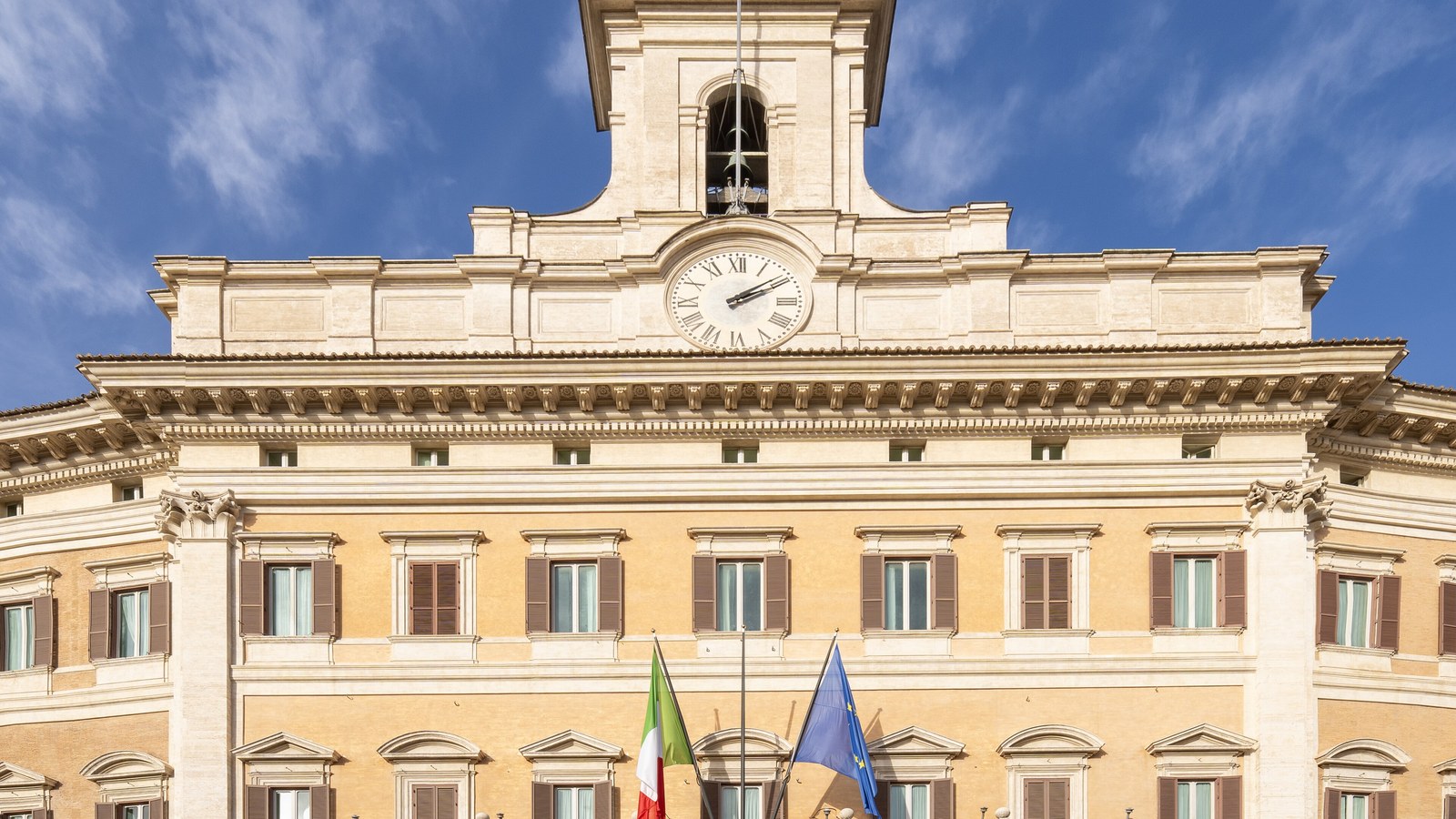
Image: DellaGherardesca, Palazzo Montecitorio, Rome, CC BY 4.0, Wikimedia Commons; the Chamber building, archive, not the 13 October 2026 cabinet.
Sources consulted: Italy 2027 budget, Brussels and energy spending - la Repubblica Europe; Budget, 5 billion from banks and insurers - ANSA.








0 Comments
No comments on this article yet. Be the first!