


JAMA Psychiatry published on Wednesday, 21 October, data from a small sample of people with Parkinson’s: after two supervised psilocybin sessions, blood inflammation markers fell from baseline. The changes held a month after the last study dose. It is not a treatment approval and it is not standard therapy.
The University of California, San Francisco team measured five signalling molecules involved in inflammation, before and after the two sessions. They also tracked a marker of mitochondrial stress: it improved immediately after dosing, but not at the longer follow-up, NPR reports.
The feasibility study included 12 people. Patients with neurodegenerative disease are usually kept out of psychedelic trials for safety reasons. An earlier safety study, published last year, described an acceptable profile and a slight easing of symptoms, according to co-author Ellen Bradley.
There was no control group, and participants knew they were receiving the drug. Aoife O'Donovan, also at UCSF, says the data need confirmation before definitive claims. The blood markers are objective, but the sample is small and open-label.
Parkinson’s is marked, among other things, by dysregulated inflammation and mitochondrial dysfunction. 5-HT2A receptors, to which classic psychedelics bind, also exist in tissues outside the brain. NPR places the human signals in line with cell and animal experiments, not with a new clinical indication.
D. Parker Kelley, of Columbia, first author with Bradley, speaks of a jumping-off point for broader research, including neuropsychiatric or inflammatory disorders. That is a laboratory hypothesis, not a treatment guide. Charles Nichols, of LSU, who did not work on the study, calls the paper a human proof of principle after years of anti-inflammatory pharmacology in animal models.
The paper is a research article, not a drug authorisation. It does not say that psilocybin or LSD should be taken outside a clinical protocol, and it does not describe routine care for Parkinson’s.
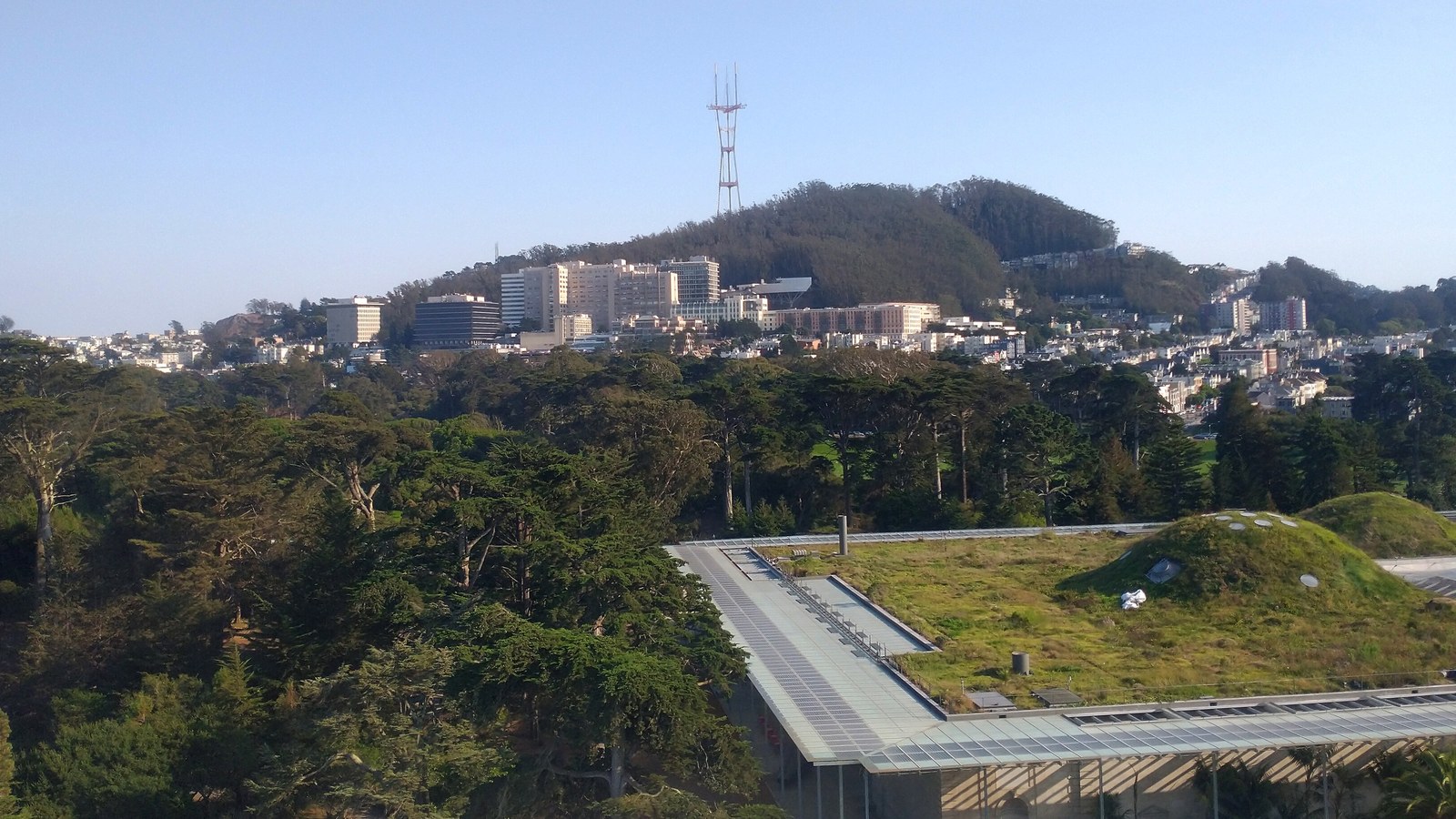
Image: Alfred Twu, UCSF Parnassus campus, 21 September 2021, CC0, Wikimedia Commons; the campus in 2021, not Wednesday publication.
Sources consulted: Study hints at psychedelics potential to combat inflammation - NPR, 21 October 2026; JAMA Psychiatry article 2855669 - 21 October 2026.








0 Comments
No comments on this article yet. Be the first!