
The number of people aged 100 or older in Japan reached 107,677 in 2026, passing 100,000 for the first time, according to the Ministry of Health, Labour and Welfare as reported by the Associated Press.
The total is 7,914 higher than the previous year and is the 56th consecutive annual increase. Almost 88% of registered centenarians — 94,298 — are women. The figures were released around Respect for the Aged Day on 15 September, based on data as of 1 September.
The ministry began these surveys in 1963, when there were 153 people aged 100 or more. The 1,000 mark was passed in 1981, and 10,000 in 1998. These are administratively registered residents, not a medical census of everyone who has reached the age.
Japan has one of the world’s highest life expectancies. Health minister Kenichiro Ueno cited medical progress, diet and lifestyle. That is the minister’s statement, not a single proven cause for every case here.
The record also shows pressure on pensions, hospitals and long-term care in a country with low births and a shrinking working-age population. Centenarians should not be confused with everyone over 65.
The ministry’s English homepage is an index, not an article. The source remains the AP report. Names of the oldest residents, cited in the press, are not needed for this story.
No photographs that identify a vulnerable person without consent.
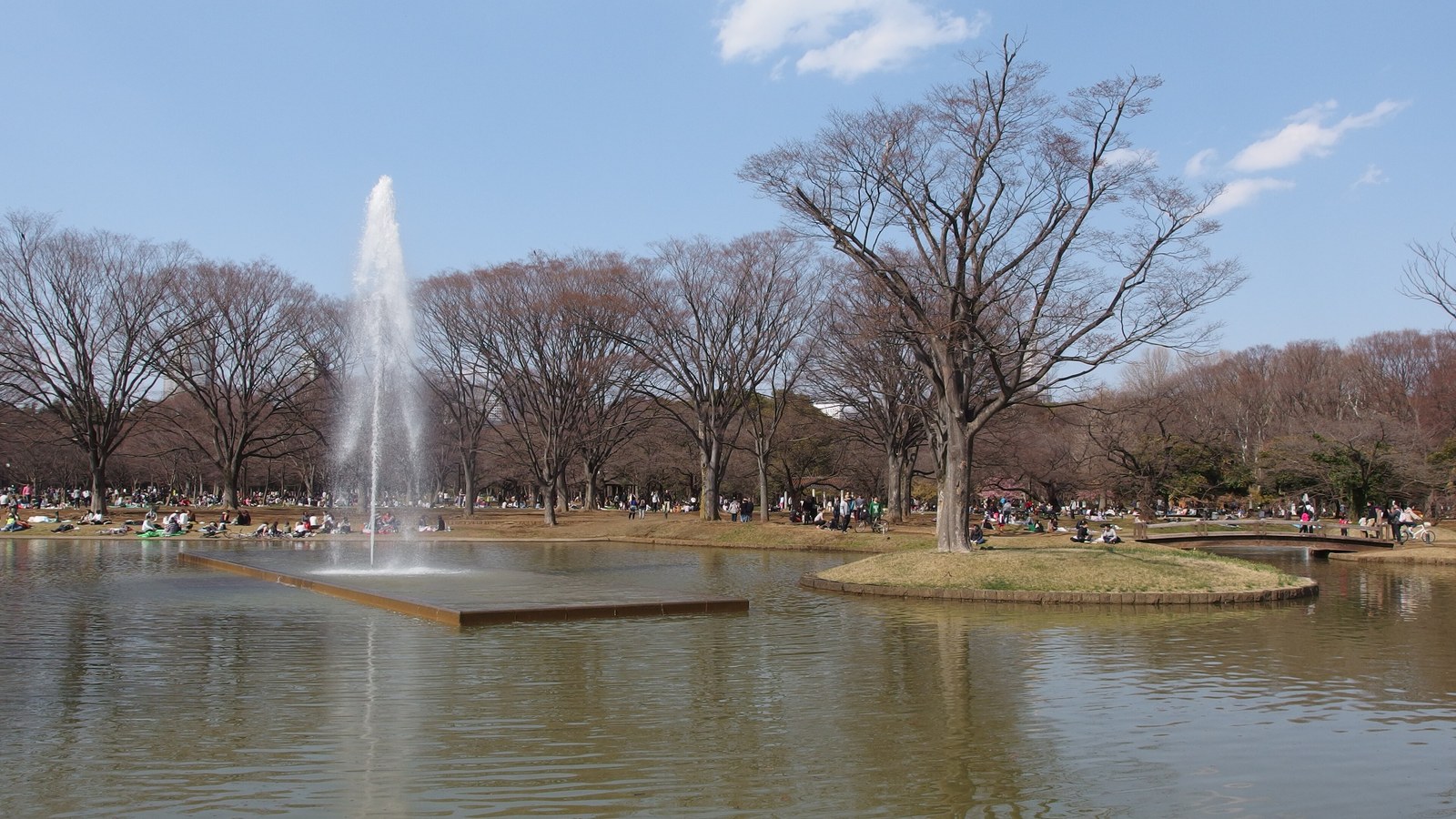
Image: Guilhem Vellut, Yoyogi Park, Tokyo, CC BY 2.0, Wikimedia Commons. Does not identify vulnerable individuals.
Source consulted: Centenarians living in Japan exceed 100,000 for the first time — Associated Press.








0 Comments
No comments on this article yet. Be the first!