


On 15 April 1994, in Marrakesh, 123 states sign the Marrakesh Agreement — the Marrakesh Declaration — concluding the Uruguay Round and establishing the World Trade Organization.
The text turns the 1947 GATT into a permanent organisation with legal personality. The annexed agreements — goods, GATS (services), TRIPS (intellectual property), sanitary measures and technical barriers — form an indivisible whole: no entity can be party to one without the others.
The WTO began operating on 1 January 1995. The new dispute-settlement mechanism is more legal and binding than the old GATT panels.
The Uruguay Round, opened in 1986 at Punta del Este, lasted eight years. Marrakesh marks the shift from tariff-centred trade to rules on services, trade-related investment and intellectual property.
The depositary is the WTO Director-General; the working languages remain English, French and Spanish. Current members cover nearly all world trade.
The Marrakesh Agreement remains the constitution of the multilateral trading system, even as later rounds (Doha) and plurilateral deals have complicated its architecture.
The signing of 15 April 1994 in Marrakesh remains the birth date of the WTO and of the post–Cold War trading order.
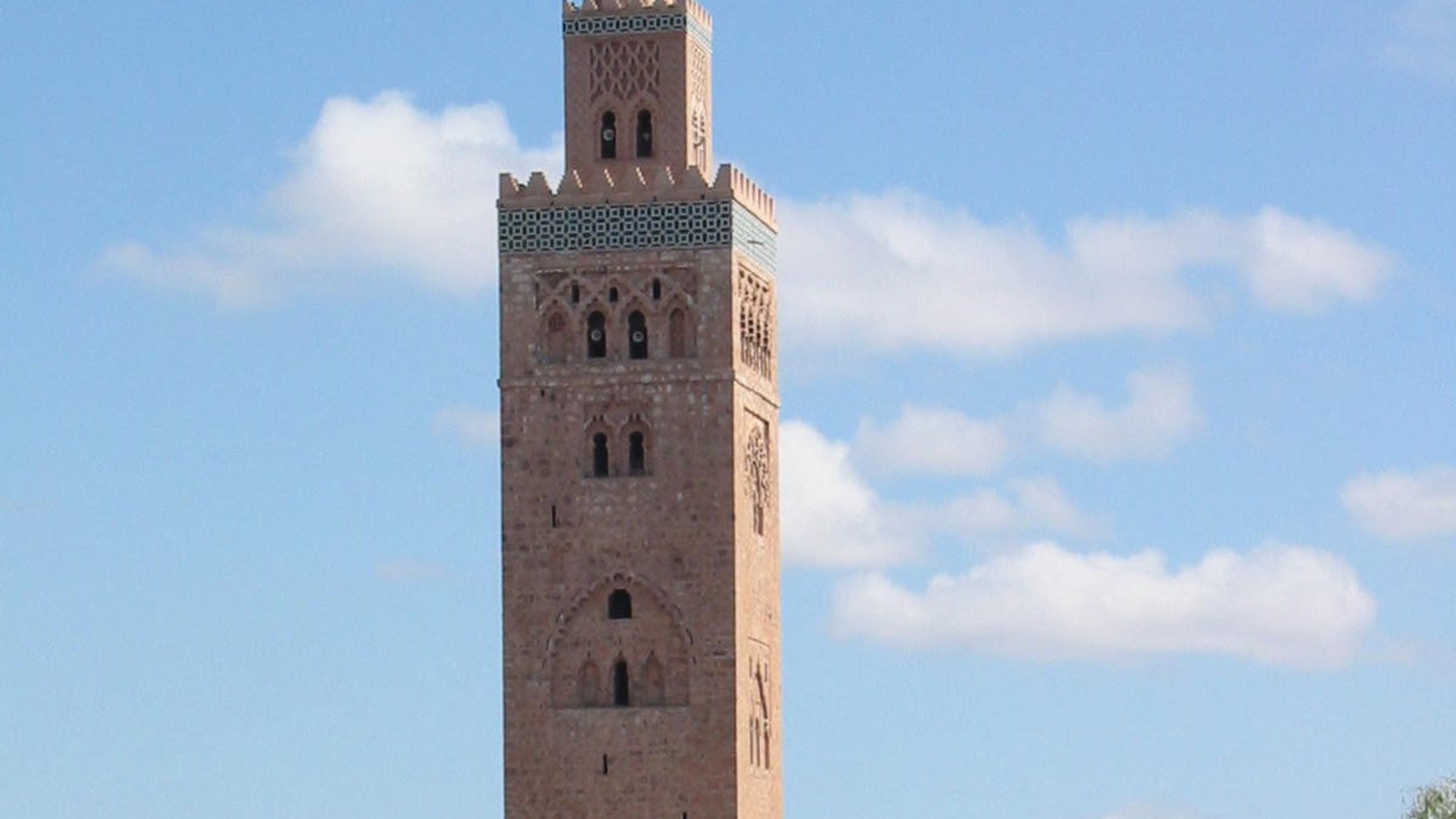
Image: Marrakesh / trade; Wikimedia Commons. Cropped to 16:9.
Source consulted: Marrakesh Agreement. Treaty text: Marrakesh Agreement Establishing the WTO.











0 Comments
No comments on this article yet. Be the first!