
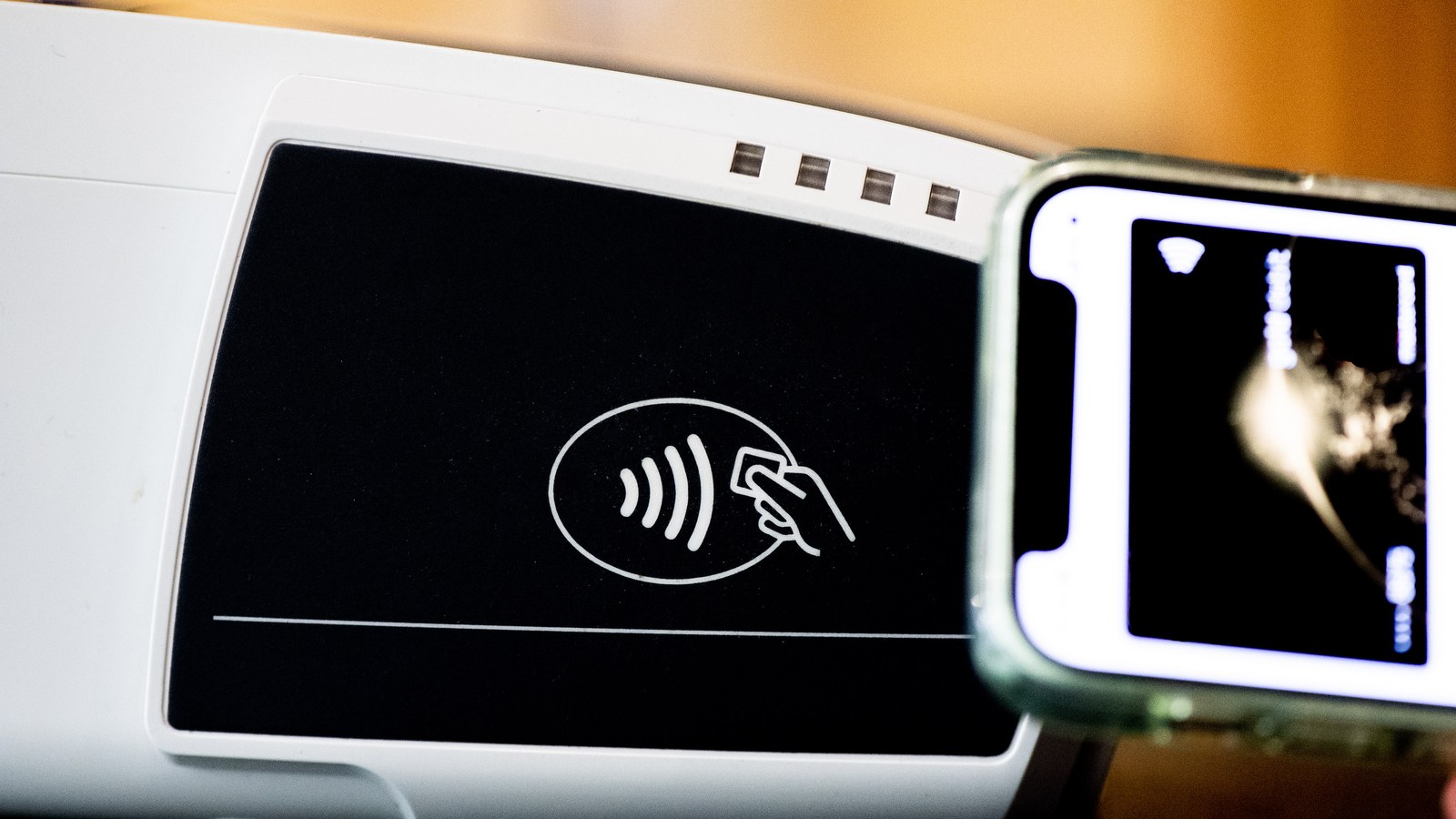
Mastercard has announced the launch of Mastercard Wallet Pay, a new global portfolio of solutions designed to make it easier for digital wallets to connect with international payment infrastructure. The company announced Wallet Pay in Singapore on September 10, 2026, as it seeks to address one of the major challenges facing the rapidly expanding digital wallet industry: many digital wallets work effectively within their home countries or ecosystems, but using them can become more complicated when consumers travel, buy from overseas merchants or move money between different payment systems.
Wallet Pay is designed, according to Mastercard, to allow digital wallet providers to support NFC contactless payments, QR codes and online transactions while also facilitating money movement between cards, wallets and accounts. It is not a new Mastercard consumer wallet. It is a portfolio of solutions and infrastructure intended for digital wallet and payment service providers.
According to Mastercard, digital wallets currently serve more than 4.3 billion users worldwide, with global usage expected to exceed 6 billion people by 2030. Through the new infrastructure, Mastercard aims to help transform digital wallets from predominantly local services into tools that can operate more easily across countries, platforms and payment types.
The company says Wallet Pay can support money movement between cards, wallets and accounts across more than 200 countries and territories and 150 currencies. Another objective is to expand where digital wallets can be accepted. Mastercard says its network provides access to hundreds of millions of acceptance locations and digital access points around the world. Wallet Pay can also support wallet providers that want to launch their own credit, debit or prepaid card programmes and connect those products with Mastercard's international payment infrastructure.
Partners involved, according to the announcement, include Alipay+ and several wallets within its ecosystem, including AlipayHK, Clip, GCash, KakaoPay, TNG eWallet and TrueMoney. Mastercard also lists Axian, CRED, DaviPlata, Mercado Pago, MTN and TenPay Global among the digital payment providers using Wallet Pay capabilities. According to information included in the announcement, Alipay+ connects more than 50 e-wallets and banking applications as well as more than 10 national payment schemes.
One practical application involves allowing users of local digital wallets to extend their payment options when travelling abroad. TNG Digital, operator of Malaysia's TNG eWallet, says the collaboration is helping extend the wallet's convenience beyond Malaysia while also making it easier for international visitors to use familiar payment experiences. TrueMoney says the collaboration can connect millions of users in Thailand to Mastercard's global acceptance network and make contactless payments more accessible. GCash, one of the major digital wallets in the Philippines, is also using the partnership to expand global acceptance and provide additional digital payment experiences.
Mastercard describes interoperability as one of the central elements of Wallet Pay. Rather than requiring every digital wallet provider to independently build all of the infrastructure needed to connect with international merchants, cards and payment systems, providers can use Mastercard infrastructure to support some of those capabilities. Mastercard says Wallet Pay can facilitate faster movement of money between cards, accounts and wallets, including across national borders. The company is also positioning financial inclusion as an important part of the initiative, arguing that the infrastructure can help providers deliver lower-cost financial tools to consumers who are underbanked or do not have access to traditional banking services.
The launch reflects a broader transformation in the payments industry. The first phase of digital wallet growth was largely about attracting users and developing local ecosystems. The next challenge is increasingly about connecting those ecosystems. With more than 4.3 billion digital wallet users worldwide today and usage projected to exceed 6 billion by 2030, according to Mastercard, interoperability between these services could become one of the major areas of development in the global payments industry. Availability of each feature depends on partners and the markets in which the solutions are integrated.
Source consulted: Mastercard launches Wallet Pay to scale digital wallets worldwide | Mastercard Newsroom
Image credit: EU / Bogdan Hoyaux







0 Comments
No comments on this article yet. Be the first!