
Smaller phone and laptop makers are preparing for a prolonged stretch of tight memory supply as demand for AI infrastructure reshapes semiconductor priorities. Reuters reported on 16 September 2026 that independent firms including Fairphone, Jolla and Framework are redesigning products, ordering early and adding extra chip checks in a shortage they expect to last through 2027.
The binding constraint is allocation, not price. Fairphone chief executive Raymond van Eck told the agency that without allocation, “you’re out of the game anyhow”. DRAM and NAND remain basic components in smartphones, laptops and servers, but producers are directing capacity towards higher-demand, higher-margin AI-related segments.
Framework chief executive Nirav Patel said the scale of the mismatch became clear late last year, when everyone tried to grab inventory as quickly as possible, deepening the shortage. Unable to afford a large stockpile, Framework places non-cancellable orders well ahead without knowing final price, timing or volume.
Jolla designed two motherboard variants so it can swap a combined package for discrete chips. Framework made memory modular from the start; customers can fit modules salvaged from older machines. Jolla stress-tests samples from every batch it receives, checking that chips are new rather than refurbished parts resold as first-grade.
Reuters reported that SK Hynix’s chief executive said in July that 2027 would be “the worst year in the industry’s history from the supply perspective”, with demand outstripping capacity beyond 2030. In a handset priced around $400, memory can account for almost 60% of the bill of materials, van Eck said. Framework reprices as costs land, Jolla added a paid memory upgrade, and Fairphone has not raised prices.
Reuters also cites a Counterpoint estimate of a 13.9% decline in smartphone shipments this year, with high memory costs hitting low-cost devices especially hard. The impact is not uniform: it varies by manufacturer, contracts, memory type and price segment. For smaller firms, though, the crunch shows how far the AI boom can reach, down to phones and laptops on the shelf.
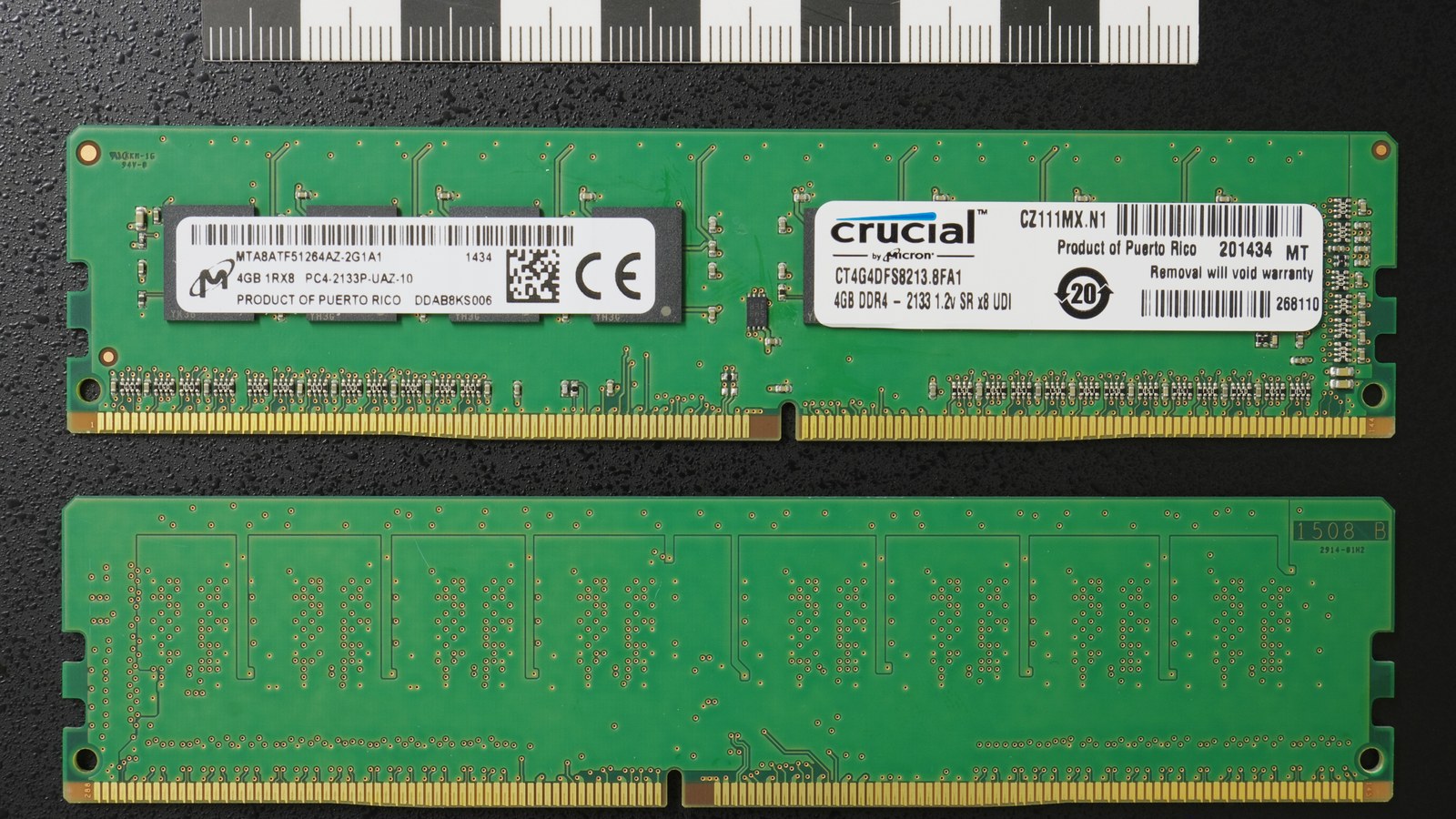
Image: smial, Wikimedia Commons, Free Art License. Crucial 4 GB DDR4 module, not a Reuters or SK Hynix photograph. Cropped to 16:9.
Source consulted: Smaller phone and laptop makers dig in for years of memory scarcity (Reuters, 16 September 2026).








0 Comments
No comments on this article yet. Be the first!