


Livia Mitrofan, a member of Moldova’s Superior Council of Magistracy, said on Monday that 168 of the 524 judge posts provided for in the system are vacant. Timpul, after TV8, and Veridica repeated the figures. This is not a census published by the Council as a paper; it is a council member speaking on a television programme.
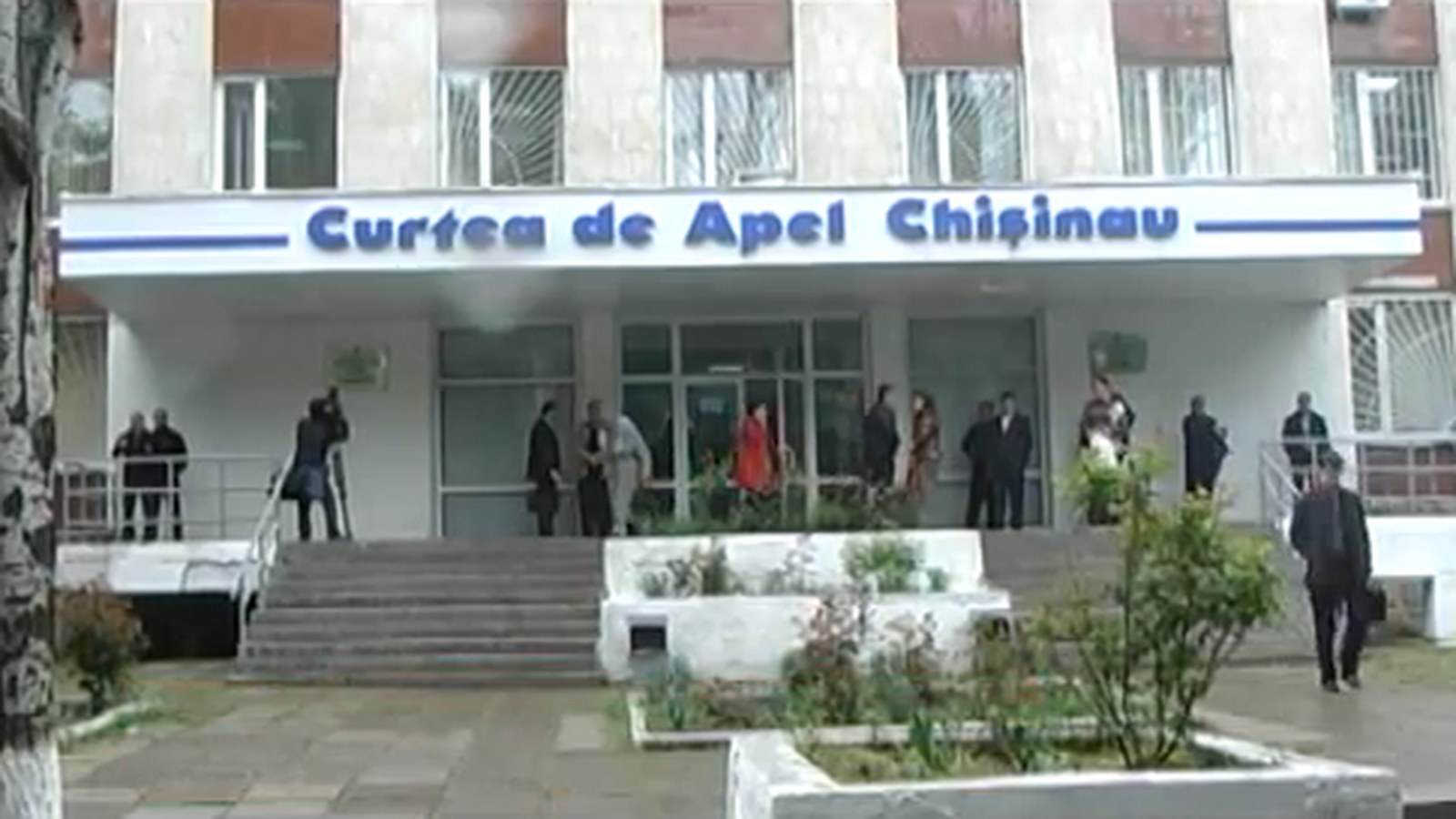
At the courts of appeal, the same account says, 32 of 104 posts are filled. Timpul, citing TV8, puts 40 vacant posts at the Centru Court of Appeal. Veridica writes Chișinău. We do not merge the two names, and we do not add them as two separate shortages.
Mitrofan ties the gap to pay, workload and responsibility. She says that, in the pay bill, first-instance judges have come close to deputy mayors’ pay and asks for alignment with state secretaries. That is a request, not a law that has been passed.
For two years, she adds, the National Institute of Justice has not drawn the candidates it once did. Judge Marina Rusu, quoted by Timpul, puts files beside money: 400, 500, 800 or 1,000 cases on the docket, against a private-sector lawyer. Screening and media pressure, she says, fall on families too.
Legal expert Octavian Iachimovschi warns that, without measures to keep people, the judicial branch risks being left empty. It is a warning, not a court shutdown. Nobody in these texts announces that an appeal court is being closed.
Veridica ties the shortage to Cluster 1 of the European Union talks. Timpul does not take the argument that far. Monday’s facts remain: 168 vacant posts out of 524, appeal benches almost empty, a pay request. Anyone writing that Parliament has aligned judges with state secretaries is writing past the programme.
Image: Accent TV 2015, Chisinau Court of Appeal, CC BY 3.0, Wikimedia Commons; the building, not a vacant post.
Sources consulted: Almost a third of judge posts in Moldova are vacant - Veridica; Almost 1/3 of judge posts are vacant. Pay is one of the causes - Timpul.








0 Comments
No comments on this article yet. Be the first!