


In the first nine months of 2026, Moldova’s pharmaceutical market reached €211.17 million, 3.6% above the same period in 2025, which the Medicines and Medical Devices Agency (AMDM) puts at about €203.79 million. The difference is roughly €7.4 million. People bought fewer packs, though.
AMDM published the figures on 23 October 2026. Imports accounted for €196.14 million, or 92.9% of the value. Domestic sales by producers in the country were €15.02 million, 7.1%. The report uses manufacturer prices, without VAT and without trade mark-ups or discounts, converted into euro at the National Bank’s average rate over the previous 12 months. Imports into the Transnistrian region are left out, and exports are left out of the local-producer figures. Moldova 1 reported the numbers on 14 November.
On pack count, the AMDM table for January–September 2026 shows 59.79 million imported packs and 5.90 million packs made in the country. A year earlier the table shows 63.48 million imported packs and 11.04 million local ones. Moldova 1 adds the 2026 period up to about 65.7 million packs and says sales were nearly nine million packs lower than in the same nine months of 2025.
The sharpest drop is in medicines made in Moldova. The table goes from 11.04 million packs to 5.90 million. Moldova 1 describes the same move, rounded “from 11 million to 5.9 million”, as a fall of more than 46%.
By country of origin, the AMDM note puts Germany first, followed by Slovenia, Romania, Hungary and Turkey. Moldova 1 also gives the sums in the report: more than €28 million from Germany, €18.5 million from Slovenia, €17.9 million from Romania, €16.5 million from Hungary and €15.18 million from Turkey.
In the import ranking by value, AMDM lists dapagliflozin at €5.71 million, rivaroxaban at €4.08 million and rosuvastatin at €3.68 million. Moldova 1 links them to diabetes, to preventing and treating blood clots, and to lowering cholesterol. In the report text, the agency ties the market to changes in the reimbursed-medicines list run by the National Health Insurance Company, which steers demand toward products inside the reimbursement system. Moldova 1 puts the point this way: adding a medicine to the list can raise demand and can move both imports and sales by local producers.
On the home market, Balkan Pharmaceuticals has sales of €10.59 million, more than 70% of the value of domestically made medicines sold in the country, Moldova 1 writes. Next are Farmaprim, at €2.35 million, Flumed-Farm, at €1.2 million, and Eurofarmaco, at €860,000. On the import side, Dita Estfarm is the largest operator, at nearly €93 million, almost half the value of imports. RihPanGalFarma has €42 million and Tetis International €30.7 million. Together the three hold about 84% of the value of imported medicines, again according to Moldova 1.
Moldova 1 also notes that Moldova makes between 550 and 600 types of medicine, out of more than 6,000 authorised, and that more than 70% of domestic output is exported, to more than 30 markets, including the European Union, Canada and the Middle East. On EU accession, between 57% and 60% of the medicines in the state nomenclature would have to be reviewed against European authorisation rules. The authorities asked for a five-year transition after accession, and Brussels has not accepted that request so far. The Health Ministry says, in the Moldova 1 account, that reviewing authorisations does not mean the medicines are automatically withdrawn from the market.
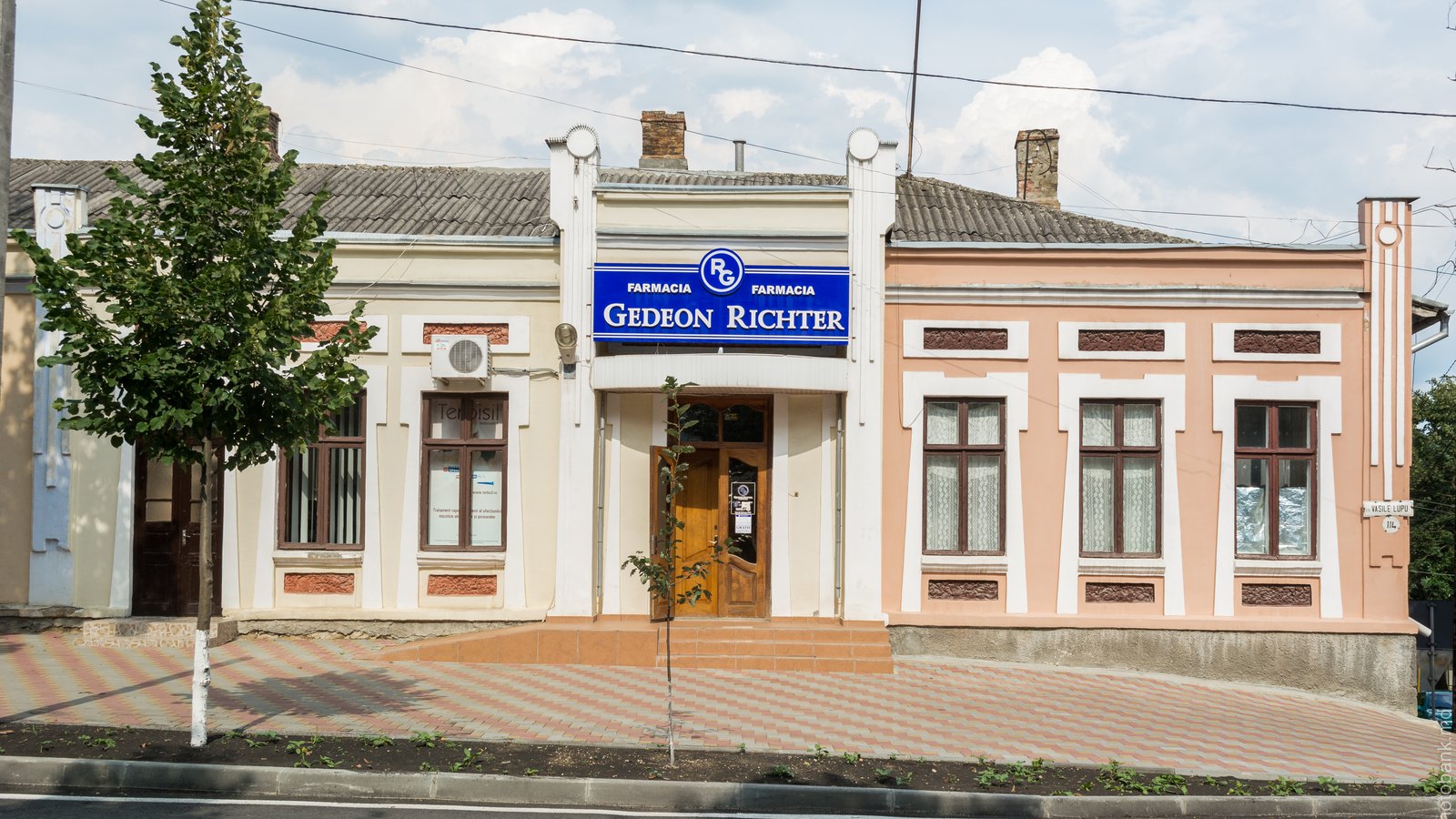
Image: Wikimedia Commons — the Gedeon Richter pharmacy in Orhei, 25 July 2018 (Photobank MD, CC0). The photo is not from the 2026 report.
Sources consulted: Report: people buy fewer medicines, but the market value rises — Moldova 1; Pharmaceutical market – statistical data — AMDM; Pharmaceutical market, nine months of 2026 — AMDM (PDF).








0 Comments
No comments on this article yet. Be the first!