


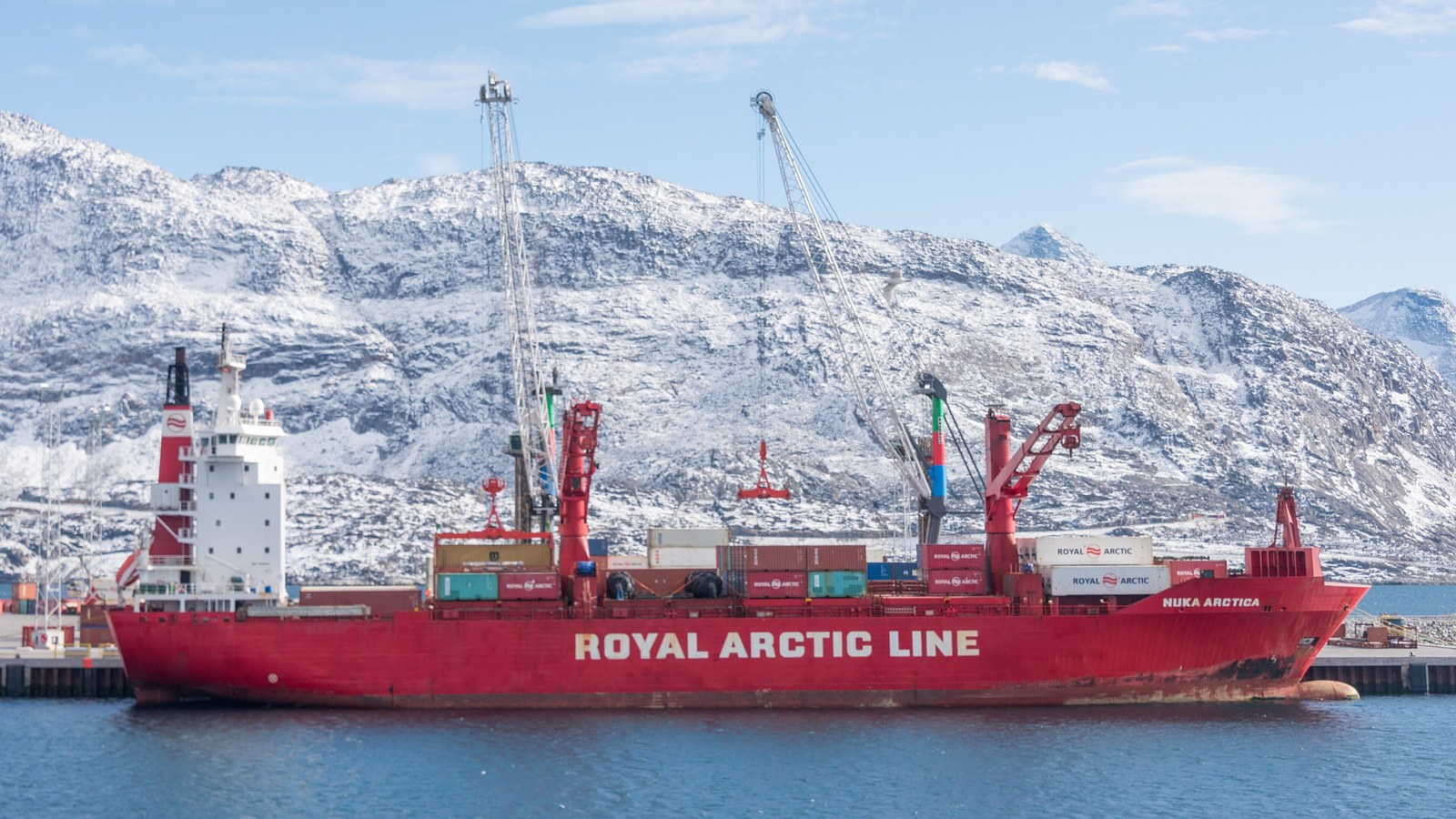
In Nuuk, Greenland, on 9 April 1992, Norway, Iceland, Greenland and the Faroe Islands sign the Agreement on Cooperation in Research, Conservation and Management of Marine Mammals in the North Atlantic, creating the North Atlantic Marine Mammal Commission (NAMMCO). It enters into force on 8 July 1992 (90 days later). Precursor: a Tromsø memorandum (1990).
The regional body cooperates on conservation, management and study of North Atlantic marine mammals. Article 2 sets the purpose: an ecosystem approach and understanding mammals’ role in that system, based on the best available science.
Members are dissatisfied with IWC management (moratorium on large whales) and want decisions on scientific stock principles, taking coastal communities into account. The Council takes advice from management committees and the scientific committee; workshops cover hunting methods and environment.
Anti-whaling states (e.g. the United Kingdom) do not recognise NAMMCO as the proper body for North Atlantic whale stocks and stay with the IWC.
The commission’s secretariat and official documents publish the agreement text and the members’ scientific reports.
The NAMMCO Agreement of 9 April 1992 remains the regional alternative framework for North Atlantic marine-mammal cooperation, parallel to the International Whaling Commission.
Image: North Atlantic / Nuuk; Wikimedia Commons. Cropped to 16:9.
Source consulted: North Atlantic Marine Mammal Commission. Treaty text: Agreement on Cooperation in Research, Conservation and Management of Marine Mammals in the North Atlantic (NAMMCO).











0 Comments
No comments on this article yet. Be the first!