
The UK government’s official bluetongue situation page, after the 18 September 2026 update, records 1,456 confirmed cases of serotype 3 (BTV-3) or unspecified-serotype bluetongue in the 2026–2027 season. A case is a premises, not an animal: 1,278 in England, 146 in Wales, 32 in Scotland and none in Northern Ireland. No BTV-8 has been reported this season.
England alone confirmed 56 new premises on 18 September. Authorities say 53 were BTV-3, mainly in sheep and cattle; the remainder were left with an unspecified serotype after laboratory or clinical diagnosis. Wales recorded eight new BTV-3 cases, and Scotland one, in a bovine in Angus with an epidemiological link to the restricted zone.
Daily totals should not be read as the number of sick animals. GOV.UK notes that testing does not always cover every animal on a holding and that the number of affected animals is likely higher. A further 1,489 premises in Great Britain were still awaiting results after reports of suspicious clinical signs.
The virus is spread mainly by Culicoides midges. It does not affect people or food safety, according to official guidance, but outbreaks can prolong movement and trade restrictions. Keepers are told to watch for fever, mouth lesions, swelling of the head and lameness.
The whole of England and Wales sit in a restricted zone; in Scotland the zone covers south-west Scotland around Dumfries and Galloway. Movements within England do not currently require a specific bluetongue licence, though freezing germinal products is separately regulated. The first BTV-3 case of the season was confirmed on 10 July 2026; Devon remains the county with the most confirmed premises.
The case map, APHA instructions and the Defra page remain the documents that change most often. This article reflects the record published on 18 September, not a forecast for the days ahead.
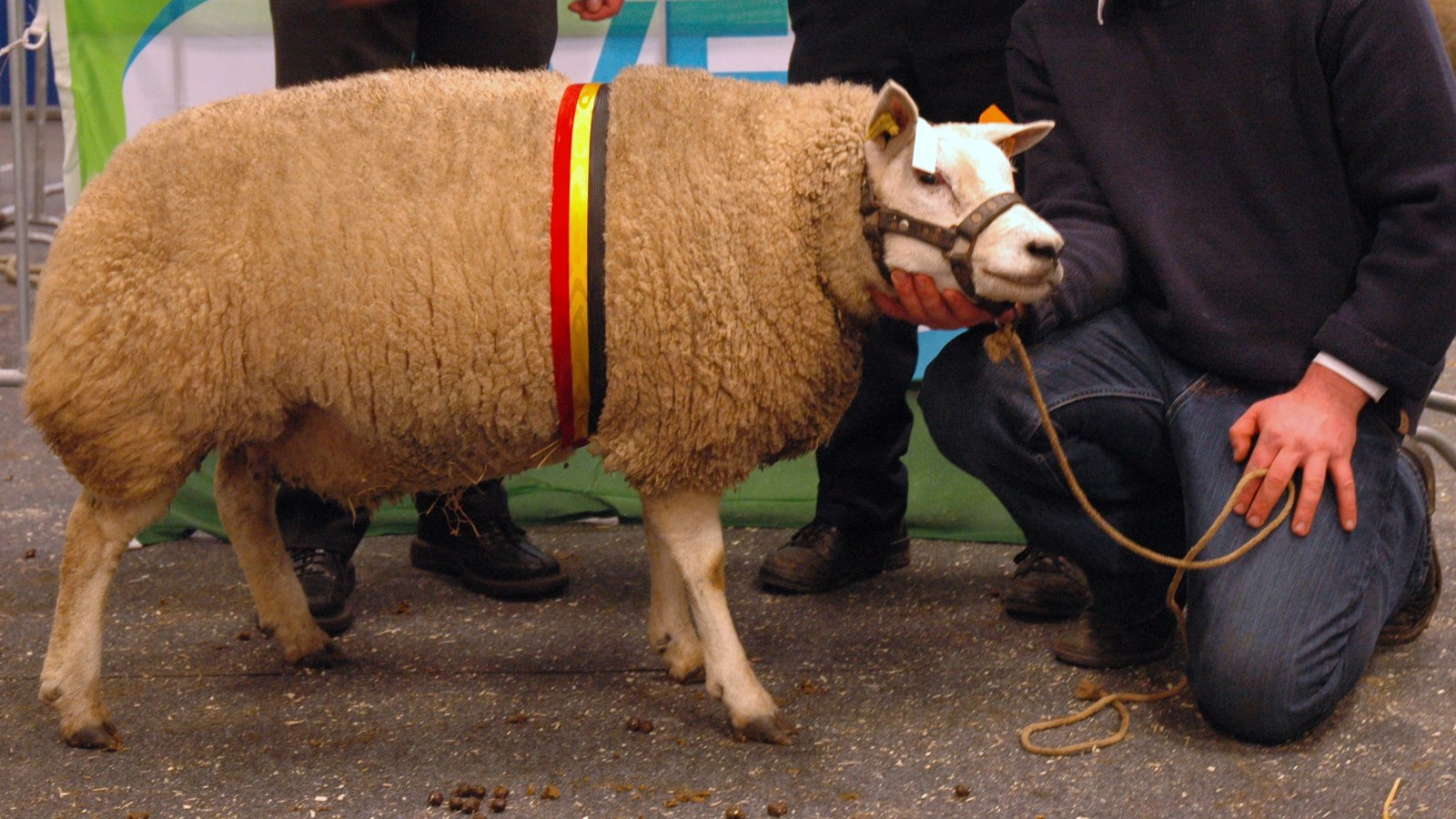
Image: a Texel sheep at a livestock show / Wikimedia Commons. An illustrative breed, not an APHA-listed premises and not animals showing bluetongue. Cropped to 16:9.
Source consulted: Bluetongue: latest situation | GOV.UK; Bluetongue: how to spot and report the disease | GOV.UK.








0 Comments
No comments on this article yet. Be the first!