


The National Institutes of Health launched Linked Discoveries on 24 September 2026, an experimental tool tied to PubMed. Its stated purpose is to show how an individual finding relates to the rest of the biomedical literature, including replication studies.
The tool was built by the National Library of Medicine, which runs PubMed. At launch it covers more than 29 million publications. It is an early product of NIH’s drive to strengthen replication and reproducibility in agency-funded research.
NIH director Jay Bhattacharya said the volume of literature is growing faster than the ability to see how ideas connect. Linked Discoveries uses an AI-informed approach to identify related publications and display them as a graph and a timeline.
Researchers can narrow a “neighborhood” of articles by conditions, genes and chemicals and see citations, reviews, retractions and NIH-funded papers. NLM says the tool does not judge a study’s quality and does not decide whether a finding has been successfully replicated.
NLM director Peter Embí presented the literature as a field of relations, not a static collection of facts. Assessment stays with researchers. Feedback can be sent from inside the tool.
The 24 September launch is the first public version. It does not replace a systematic review or methodological judgment. Conclusions still depend on data, methods and specialists.
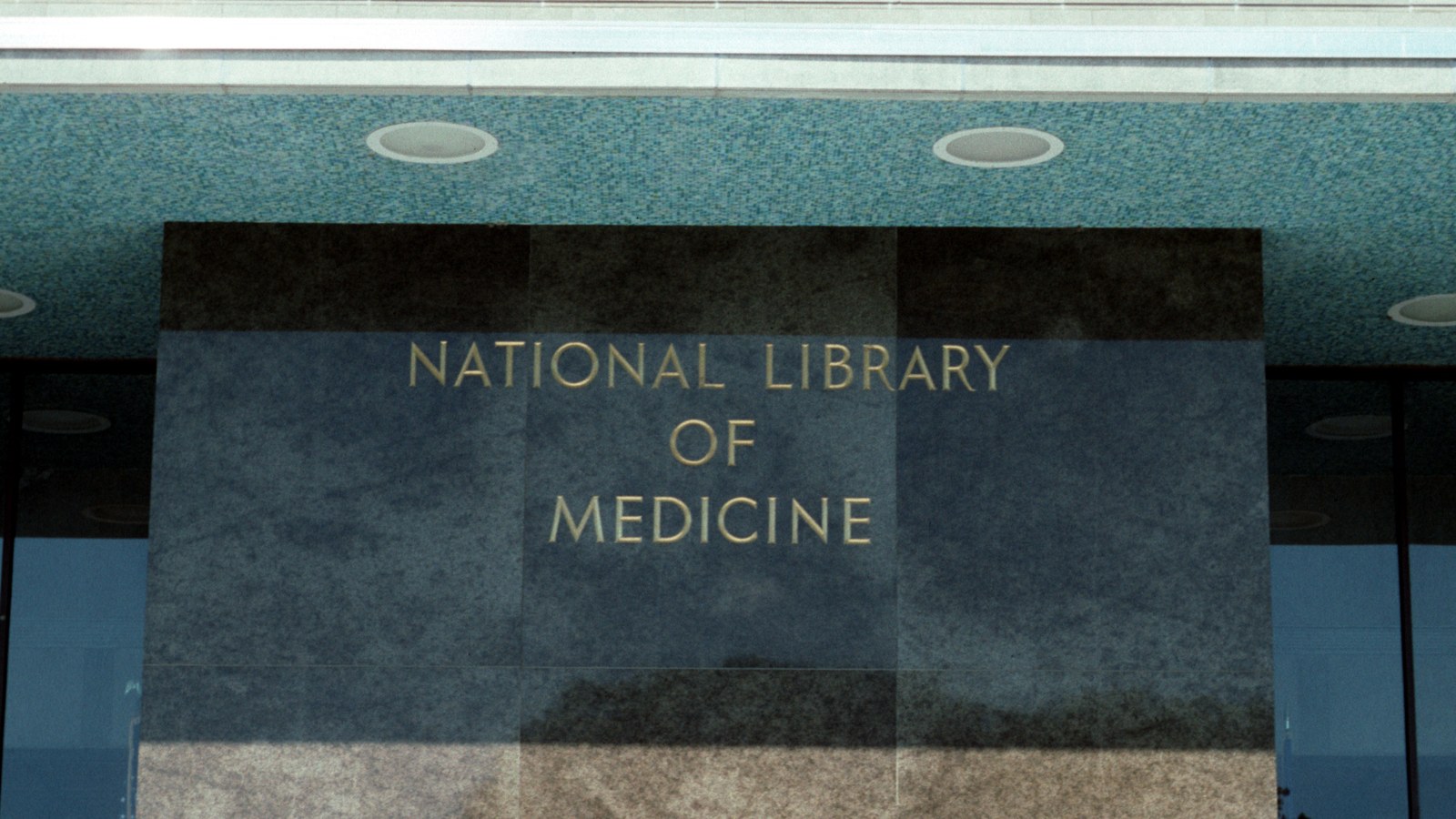
Image: National Library of Medicine, NIH campus, Bethesda / Chris Spielmann, Wikimedia Commons, public domain (US). The NLM building, not a screenshot of Linked Discoveries from 24 September 2026. Cropped to 16:9.
Source consulted: NIH launches new PubMed tool to strengthen research replication and reproducibility | National Institutes of Health.











0 Comments
No comments on this article yet. Be the first!