


A spring heatwave and coal units offline sent New South Wales wholesale prices on Monday, 12 October 2026, close to the market cap: A$23,107 per megawatt-hour, ABC reported. Prices exceeded A$5,000/MWh in 11 five-minute intervals. At Observatory Hill in Sydney the temperature reached 34.7C, more than 12 degrees above the long-term monthly average.
Four of NSW’s 12 coal-fired units were out and two were at reduced capacity. High-voltage lines were running below capacity because of maintenance, so renewable generation and storage in southern NSW could not reach Sydney. GridScout estimated technical curtailment peaked at 2,800 MW while prices stayed above A$10,000/MWh. An AEMO spokesman said demand rose by almost 2,000 MW within an hour and about 2,400 MW of coal-fired capacity was unavailable.
Household battery owners, prompted by phone alerts, sold power into the grid when prices jumped and pulled back in the next interval. Unlike power stations, those batteries sit behind the meter: the market operator cannot see or dispatch them. Wholesale market designer Dave Smith likened the swings to a “hog cycle”, where a lag between price and response produces whiplash.
Amber Electric co-CEO Dan Adams said the retailer’s roughly 30,000 customers made A$2 million in two hours — A$69 on average, more than A$500 for the top earners. Amber separately reported A$2.12 million and 218,247 kWh exported in about 80 minutes, at an average export price of A$10.80/kWh. Those figures are the retailer’s, not AEMO settlements.
Tristan Edis of Green Energy Markets said high prices above 30C are normal, but not in October, and that the coal maintenance window is narrowing. AEMO chief executive Daniel Westerman recently said more than 700,000 household batteries are installed and grid-scale storage has passed 9 GW. Average NEM wholesale prices have fallen 44 per cent in two years, from A$133/MWh in Q2 2024 to A$74 in Q2 2026. Analysts agree household batteries still need to be made visible to the operator.
This article describes a market event; it is not investment advice and does not promise future returns.
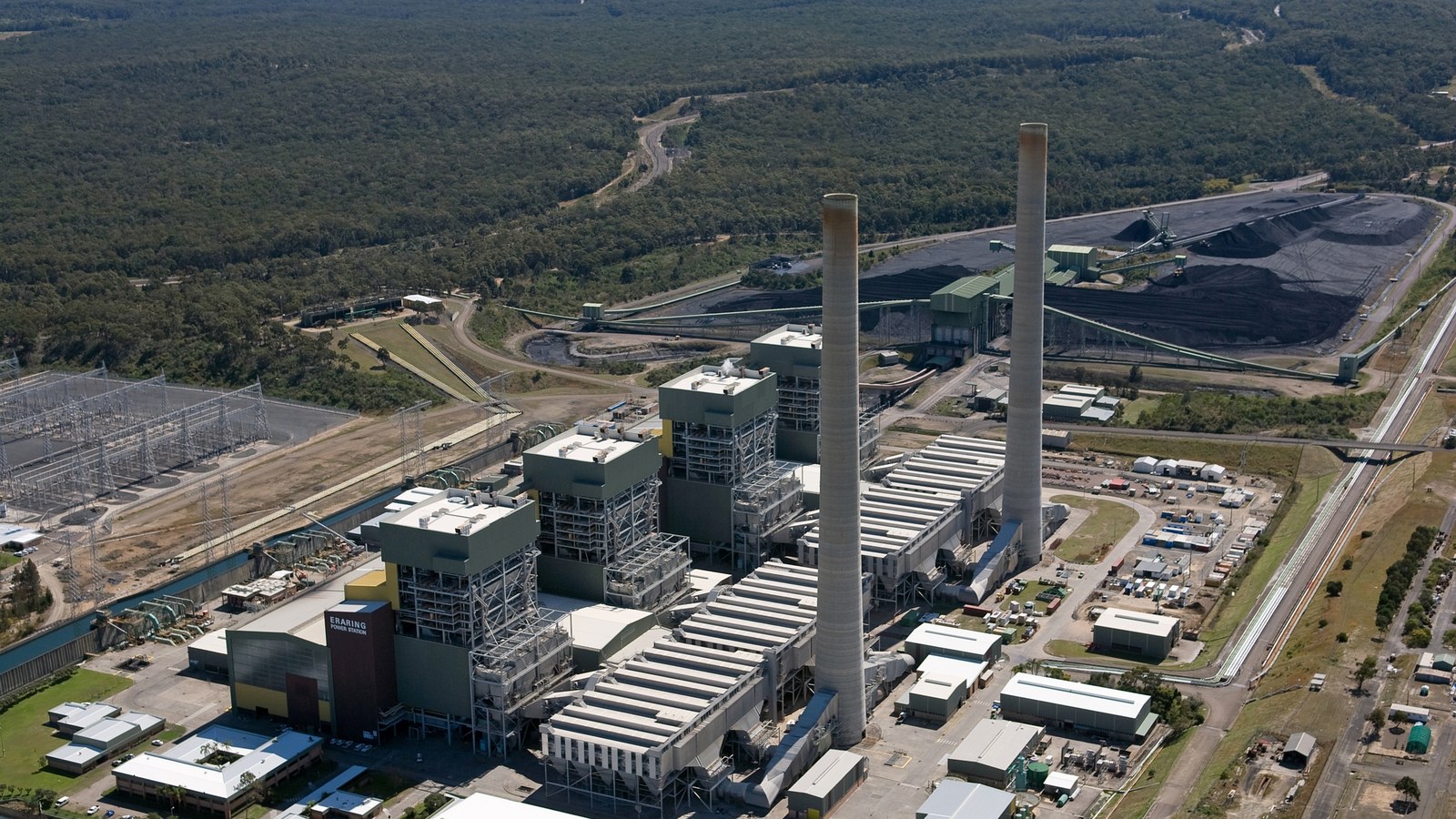
Image: Nick Pitsas / CSIRO, Eraring Power Station, New South Wales, CC BY 3.0, Wikimedia Commons; archive coal plant, not a photograph of the 12 October 2026 price spike.
Sources consulted: Spring heatwave and coal outages deliver $2m payday for home battery owners — ABC News; NSW electricity prices hit $23/kWh. Amber battery customers earned $2.12 million — Amber Electric.











0 Comments
No comments on this article yet. Be the first!