
Oxfam GB published its first State of Style report on 1 September 2026, alongside the Second Hand September campaign. The figures are the charity’s, from research it commissioned, not a national census of wardrobes.
The report says 32% of wardrobe items in Britain went unworn in the year studied and that four in ten people had worn an item only once. Oxfam links the production of those clothes to water use; the “lifetime supply for one million people” equivalents are the organisation’s calculations, not an independent hydrological measurement cited here.
The campaign urges people to buy, wear and donate pre-owned clothes, to repair and to repeat outfits. Donations resold in Oxfam shops raise money for the charity’s programmes. Taking part does not necessarily require a new purchase.
Second-hand is not the only answer to fashion’s impact. Repair, swapping and wearing existing clothes for longer remain options. This account is not a shop catalogue.
The Second Hand September campaign page is a fundraising appeal. The main source is Oxfam’s press release on the report, not the promotional landing page.
Oxfam Rental, launched in 2026 according to the same family of pages, is not verified here as a national rental network in every town. Nothing else is claimed.
September does not turn the statistics into a law. It is an annual campaign, with Oxfam’s data.
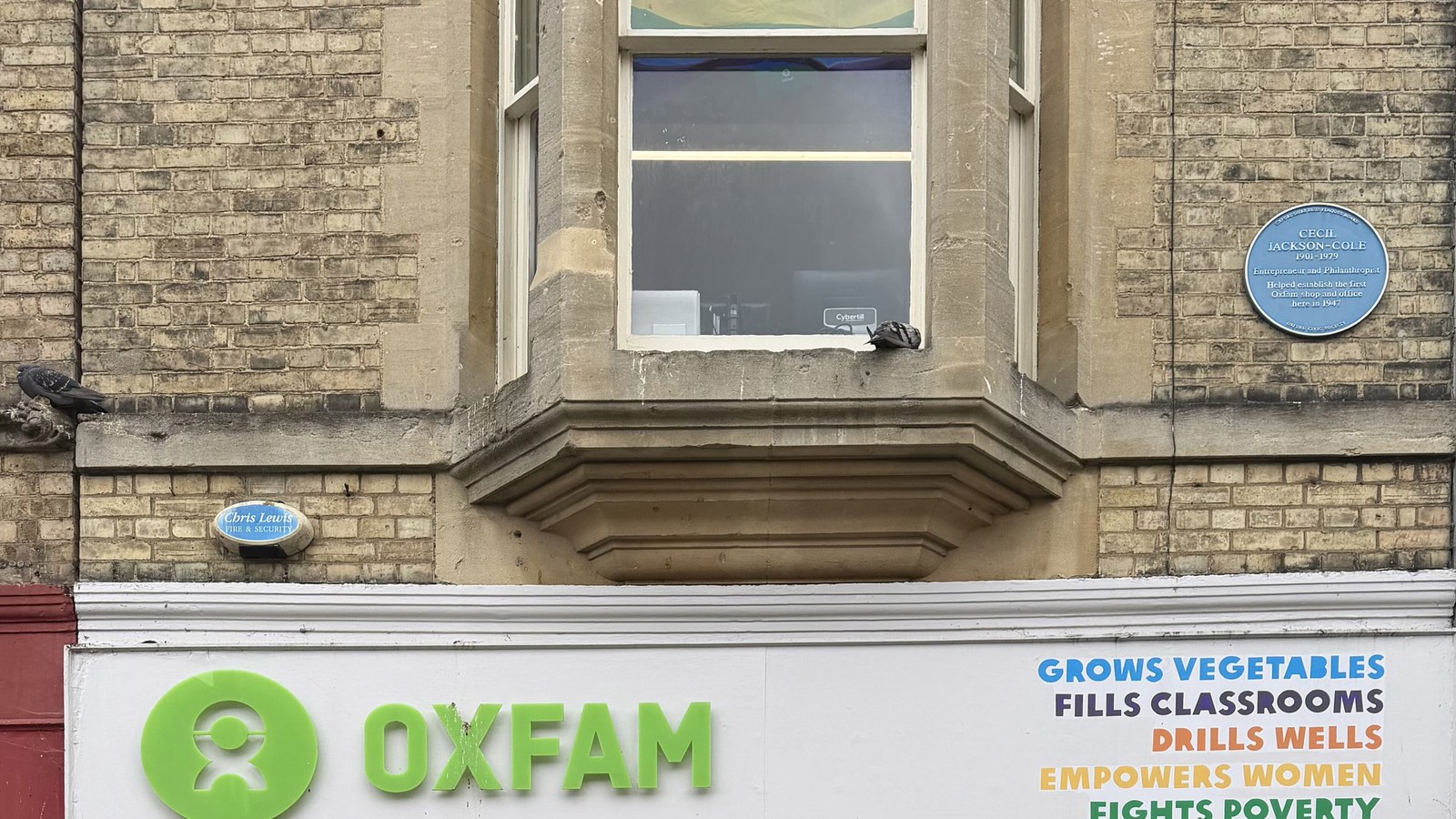
Image: Lumaag, Oxfam shop on Broad Street, Oxford, 17 June 2026, CC0, Wikimedia Commons.
Source consulted: Britain’s unworn clothes waste enough water to supply one million people for life — Oxfam GB.






0 Comments
No comments on this article yet. Be the first!