
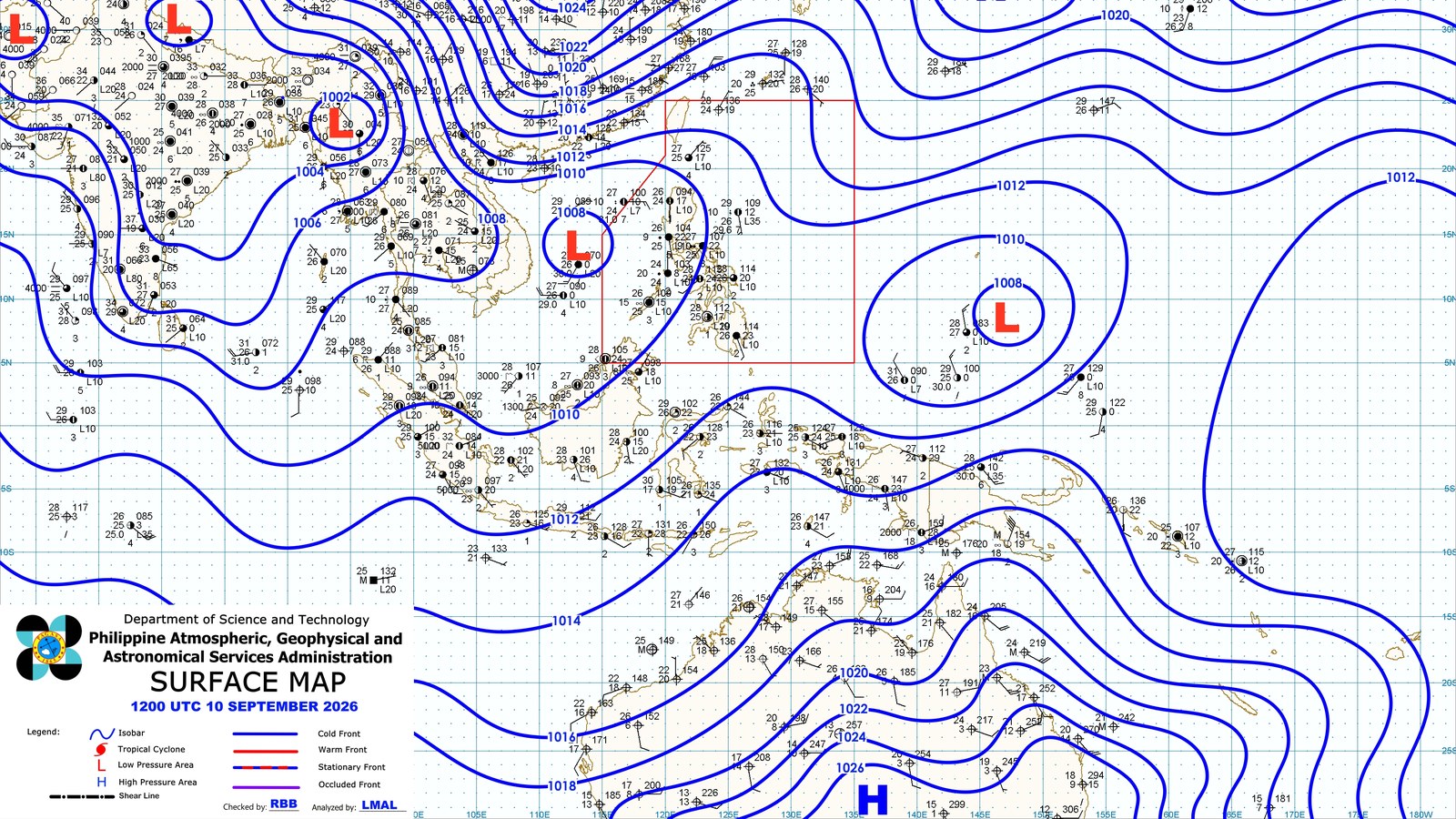
Philippine authorities introduced alternative work arrangements for government offices and alternative learning modes for schools on September 10, 2026, across Metro Manila and 13 provinces, as persistent rainfall associated with the southwest monsoon, known locally as Habagat, continued. This is not a blanket shutdown of public institutions: essential services remain operational, and the measures mainly concern alternative ways of working and teaching.
The measures were set out in Memorandum Circular No. 135, signed by Executive Secretary Ralph Recto by authority of the President, following a recommendation from the National Disaster Risk Reduction and Management Council (NDRRMC). The presidential administration at Malacañang directed government offices in the affected areas to implement appropriate alternative work arrangements, while public and private schools were told to shift to alternative learning modes where applicable.
The directive covers the National Capital Region, including Metro Manila, and 13 provinces: La Union, Pangasinan, Benguet, Bataan, Bulacan, Pampanga, Zambales, Batangas, Cavite, Laguna, Rizal, Occidental Mindoro and Oriental Mindoro. Agencies responsible for basic and health services, disaster preparedness and response and other vital services must continue operating. Contract of Service and Job Order workers placed under alternative arrangements are to receive their corresponding wages, subject to applicable rules.
Alternative learning modes apply to classes at all levels in public and private schools in the covered areas unless local chief executives decide otherwise. Local authorities may also order localised suspensions of classes or government work elsewhere, depending on conditions on the ground. In the private sector, decisions on work suspension or alternative arrangements remain with management.
The House of Representatives separately announced that its personnel would shift to work-from-home arrangements from noon on September 10, except for staff whose physical presence is required for essential and critical operations. The Professional Regulation Commission likewise implemented work-from-home arrangements at its offices and service centres in the National Capital Region and the 13 provinces listed in the presidential circular.
The disruption is tied to the persistence of the southwest monsoon, not to the passage of a typhoon. PAGASA said on the morning of September 10 that Habagat would continue to bring rain across parts of Luzon and the Visayas. Zambales was expected to see monsoon rains, while Metro Manila and several areas of Central Luzon and neighbouring provinces were forecast to receive occasional rain from the same system. A yellow rainfall warning was also issued for parts of Bataan and Zambales, indicating a risk of flooding in flood-prone areas.
As of 2 a.m. on September 10, PAGASA reported that no low-pressure areas were being monitored for possible tropical cyclone formation. The current disruption is therefore associated mainly with an enhanced monsoon and the cumulative effect of prolonged rainfall. Essential and emergency services remain in place, and residents in affected areas are being advised to follow official weather warnings and local government announcements.
Sources consulted: Work-from-Home Arrangement in PRC Affected Offices on September 10, 2026 | Professional Regulation Commission; Palace orders alternative class, work setup in NCR, 13 areas | GMA News; PAGASA Daily Weather Forecast.
Image: PAGASA / Department of Science and Technology surface map, 1200 UTC, 10 September 2026.






0 Comments
No comments on this article yet. Be the first!