


Andrew Puzder, the US ambassador to the EU, spoke to the Financial Times on Sunday. NOS took it up: if Brussels reserves part of the satellite-to-phone spectrum for European operators, European companies risk “verwoestende” counter-measures in the American market. What those would be: he does not say. Anadolu: “very devastating”, given the size of the US market. That is a warning. It is not a signed regulation. It is not a tariff applied.
The Commission, in the summer, a proposal: a slice of the bands for mobile satellite services, Europeans only. The rest, tighter for outsiders. The aim, from Brussels, in NOS: sovereignty, less dependence on American technology, because of Trump’s unpredictability. Reuters, in May: two-thirds of the spectrum reserved for Europeans; Starlink and Amazon Leo might still buy a share. Viasat and EchoStar, licences until May 2027. IRIS2 among those that would receive some. That is a leak of a plan. It is not the allocation.
Puzder accepts Europe’s right to protect government information. The law, he says, should not be used to hobble American competitors. “You don’t make European companies more competitive by making US companies less competitive.” He asks whether the DMA is about competition or about fines on US firms. He wants cooperation on AI and quantum, against China. “It’d be a lot easier if we were working with Europe instead of fighting Europe.”
SpaceX criticises the plan: connectivity in Ukraine, at risk if its frequencies are cut. Starlink, civil and military, since the full-scale invasion. NOS also ties in this week’s story: Reuters, sources, the White House would have asked for speed limits on drones, 160 km/h instead of 500. That is another thread, military Starlink. It is not the spectrum text. It is not the same article as Zelensky on Meet the Press.
Kubilius, in January, to Reuters: IRIS2, initial services in 2029. Europe’s answer to Starlink, on paper, is more than two years out. Puzder is talking now. Between 2027, when the licences expire, and 2029, what remains is who holds the phone in the field.
Until a regulation, what remains is “devastating” and two-thirds. After a regulation, what remains is whether Ukraine is an argument about spectrum or about speed. Between them, an ambassador who does not name the counter-measure and a Commission that has not yet divided the band.
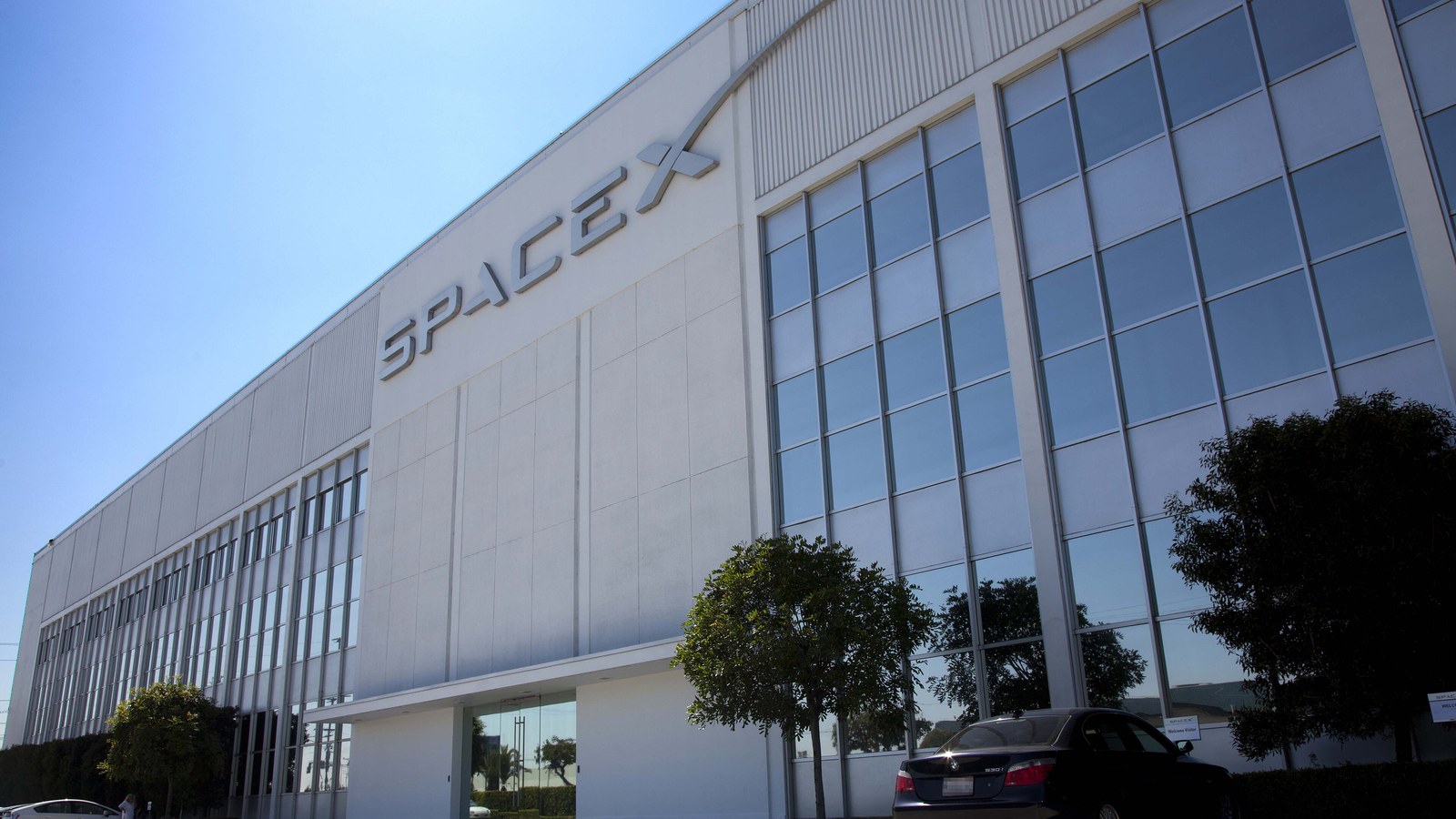
Image: SpaceX, headquarters in Hawthorne, California, 28 September 2012, CC0, Wikimedia Commons. The photograph is of the factory, not a spectrum allocation in Brussels.
Sources consulted: US threatens ‘devastating’ counter-measures if Europe does not give SpaceX a clear run — NOS; US warns EU of ‘devastating’ retaliation over satellite spectrum plans — Anadolu Agency.











0 Comments
No comments on this article yet. Be the first!