


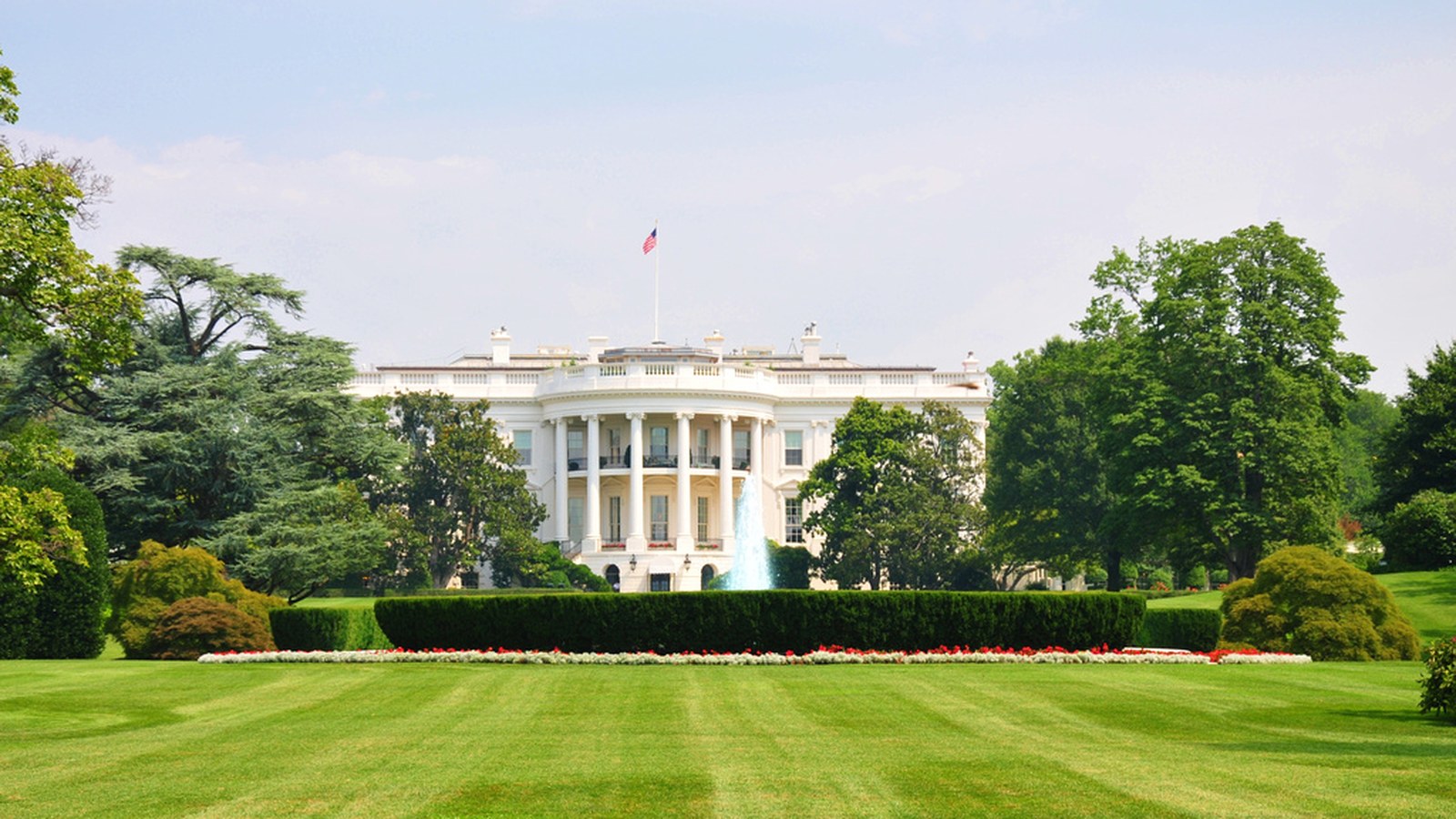
On 15 April 1935, at the White House in Washington, representatives of the American states sign the Treaty on the Protection of Artistic and Scientific Institutions and Historic Monuments — the Roerich Pact.
Initiated by Russian painter and philosopher Nicholas Roerich, the text legally recognises that defending cultural property takes precedence over military necessity. It was the first international treaty signed in the Oval Office.
The depositary is the Pan American Union; entry into force: 26 August 1935. Twenty-one signatories, ten parties. The proposed emblem — the Banner of Peace (a red circle with three red circles on white) — marks monuments to be protected.
The inter-American pact preceded the 1954 Hague Conventions on protecting cultural property in armed conflict and inspired the modern movement for a “Peace of Civilizations”.
Roerich, nominated for the Nobel Peace Prize in 1929 for this work, drafted the 1929 project with jurist Georges Chklaver. The Roerich Museum in New York and the Urusvati Institute in Kullu document the campaign.
The principle remains current: cultural and scientific institutions must be distinguished and protected even in war, not used as targets or shields.
The Roerich Pact of 15 April 1935 remains the first modern treaty devoted exclusively to protecting cultural heritage in conflict.
Image: Washington / White House; Wikimedia Commons. Cropped to 16:9.
Source consulted: Roerich Pact. Treaty text: Roerich Pact (ICRC IHL Database).











0 Comments
No comments on this article yet. Be the first!