
In the United States, 17 September is observed as Constitution Day and Citizenship Day, a date dedicated to the Constitution and American citizenship. It commemorates the signing of the Constitution in Philadelphia on 17 September 1787, not the Declaration of Independence.
The National Archives explains that the day also has an important civic-education role. Federal institutions and educational organisations use the date for materials, lessons and programmes about the constitutional text, ratification, and the rights and duties of citizenship.
For 17 September 2026, the National Archives calendar also lists a naturalisation ceremony at the Eisenhower Presidential Library in Abilene, Kansas. The event shows the practical link between Constitution Day and Citizenship Day: commemoration of the document sits alongside recognition of new citizens.
The observance should not be confused with Independence Day on 4 July. 4 July commemorates the Declaration of Independence of 1776. 17 September is tied to the Philadelphia Convention and the Constitution of 1787. The two dates describe different moments in the same political history.
The signing on 17 September 1787 did not mean the Constitution immediately took effect. State ratification followed, as required by Article VII. Constitution Day therefore commemorates the act of signing and, with it, the civic framework built afterwards, not a decree that produced legal effects that same day.
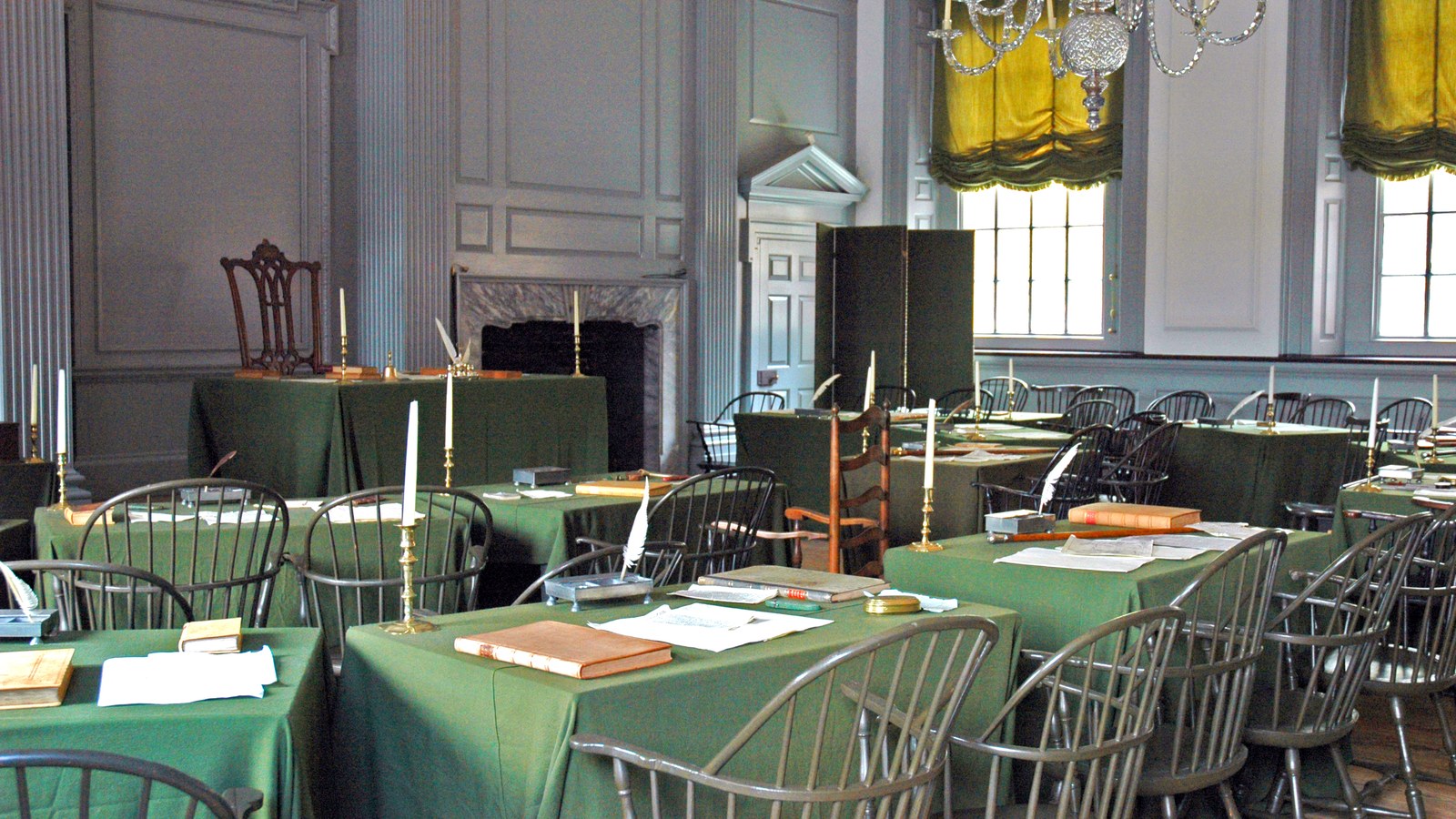
In 2026 the day marks 239 years since the signing. Independence Hall in Philadelphia, including the Assembly Room where the Declaration and the Constitution were drafted and signed, remains the physical place associated with this civic calendar. Constitution Day is, above all, an occasion for education, not a military holiday.
Photo: Rdsmith4 / Wikimedia Commons, CC BY-SA 2.5. Independence Hall, Assembly Room, Philadelphia. Cropped to 16:9.
Source consulted: Constitution Day | National Archives; National Archives calendar — 17 September 2026; Independence Hall Assembly Room | Wikimedia Commons; CC BY-SA 2.5.



0 Comments
No comments on this article yet. Be the first!