
World Patient Safety Day is observed on 17 September, in an initiative led by the World Health Organization. The date was set by a World Health Assembly resolution in 2019. Hospitals, authorities, professional bodies and patient groups use it for public information and for reviewing practice.
The 2026 edition takes the theme “Safe care for noncommunicable diseases” and the slogan “Safe care for life!”. WHO notes that noncommunicable diseases — including cardiovascular conditions, cancers, diabetes and chronic respiratory disease — are a major cause of death worldwide and often require years of care in more than one setting.
That duration creates repeated points of risk: prevention, diagnosis, treatment, long-term follow-up and self-care. The theme does not mean other hazards — infections, mistaken identity, medication errors — disappear. It places them in the context of long-term illness.
WHO promotes a systems approach, not blame aimed only at individuals. Processes, workload, equipment, training, information transfer and a culture in which staff can report incidents and near misses without automatic punishment all matter.
Patients and families can help by asking about diagnosis, medicines and next steps. Primary responsibility still rests with institutions and professionals. Patients should not be made responsible for detecting every medical risk.
The global campaign calls for action by practitioners, hospital managers and policy-makers. It does not replace national regulation and it does not certify hospitals or endorse a single product.
The day is an annual reminder that high-quality care must be effective and accessible, and also as safe as possible, especially where treatment lasts a lifetime. Global figures on preventable harm should be quoted only with year, method and source; this article stays with WHO’s 2026 campaign frame.
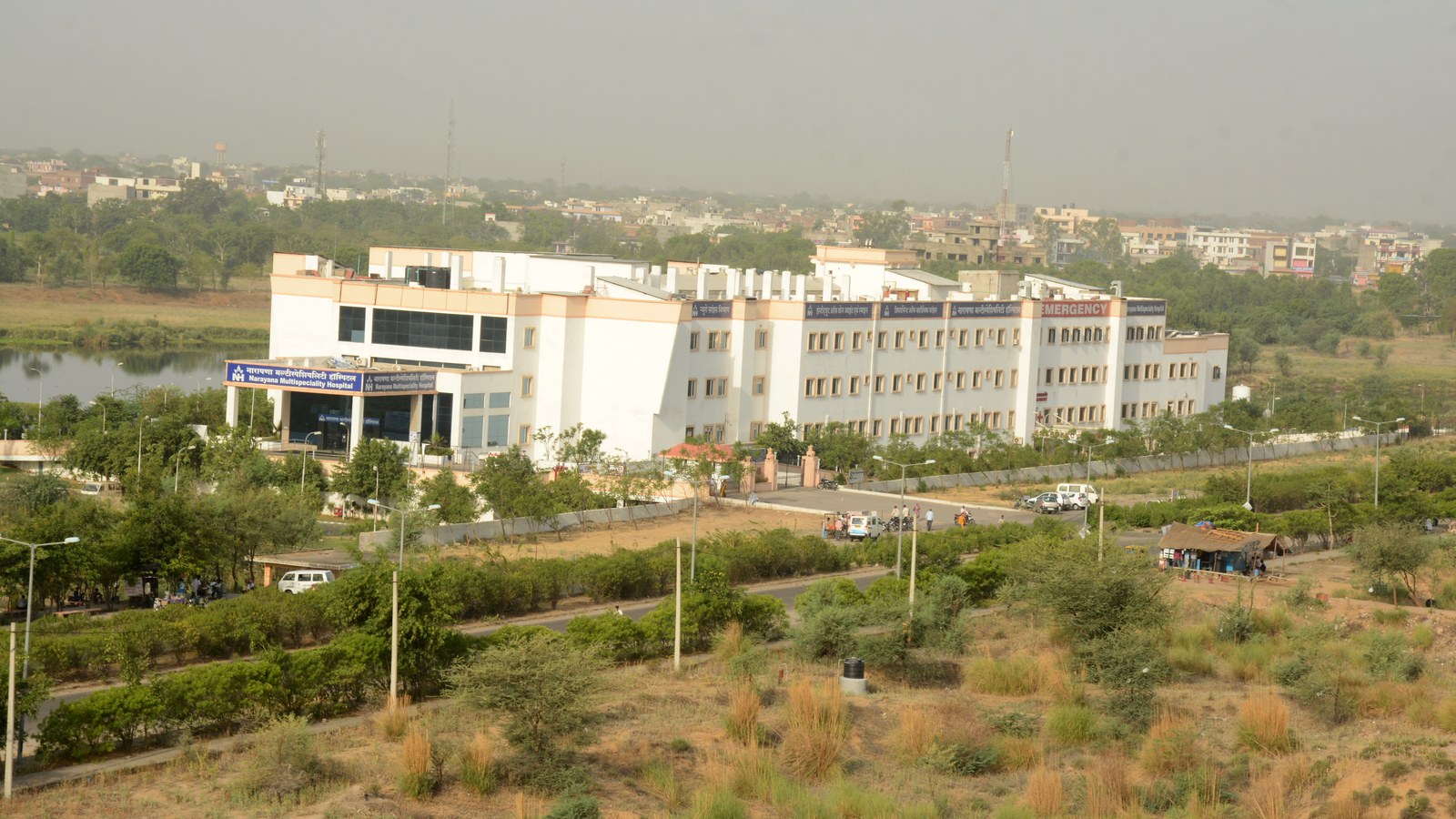
Photo: GeorgeWilliams21, Wikimedia Commons, CC BY-SA 4.0. Narayana Multispeciality Hospital, Jaipur. An illustrative hospital building, not a WHO campaign photograph and not an identifiable patient. Cropped to 16:9.
Source consulted: World Patient Safety Day 2026 (WHO); Patient safety (WHO fact sheet).







0 Comments
No comments on this article yet. Be the first!