


On the evening of 16 October 2026, around 23:30, a 57-year-old man with dual Romanian and Moldovan citizenship presented himself at the Stânca border crossing in Botoșani county to leave Romania for the Republic of Moldova. He was carrying a 2020 car on a trailer. The check did not stop at routine paperwork: border police had doubts about the vehicle's legal status and ordered extra queries.
The databases showed a seizure alert entered by the Danish authorities. The car was listed as stolen. Realitatea.md, citing the Romanian authorities, puts its value above 23,000 euros; local papers in Botoșani speak of about 125,000 lei. Those are two ways of stating the same estimate, not two separate cases.
The man said he had collected the car from a specialist firm in Denmark to take it to Moldova and that he did not know it had been stolen or was in a dispute. The buyer, he added, was a Moldovan citizen who had also used a Danish company. That is his account; the police are checking it, not endorsing it.
Officers seized the vehicle and are investigating concealment of stolen goods. Nobody has been convicted. The driver and the buyer have not been named, and the presumption of innocence applies until a court decides otherwise.
The stop should not be mixed up with an earlier check at Stânca on 1 October, when a 59-year-old Moldovan citizen was stopped at the wheel of a minibus that also carried a Danish alert. Those are two incidents, two ages and two types of vehicle.
The case shows how a Nordic alert can, within days, sit on a trailer at the Prut. Until a verdict, it remains a border inquiry, not a finished story about a network.
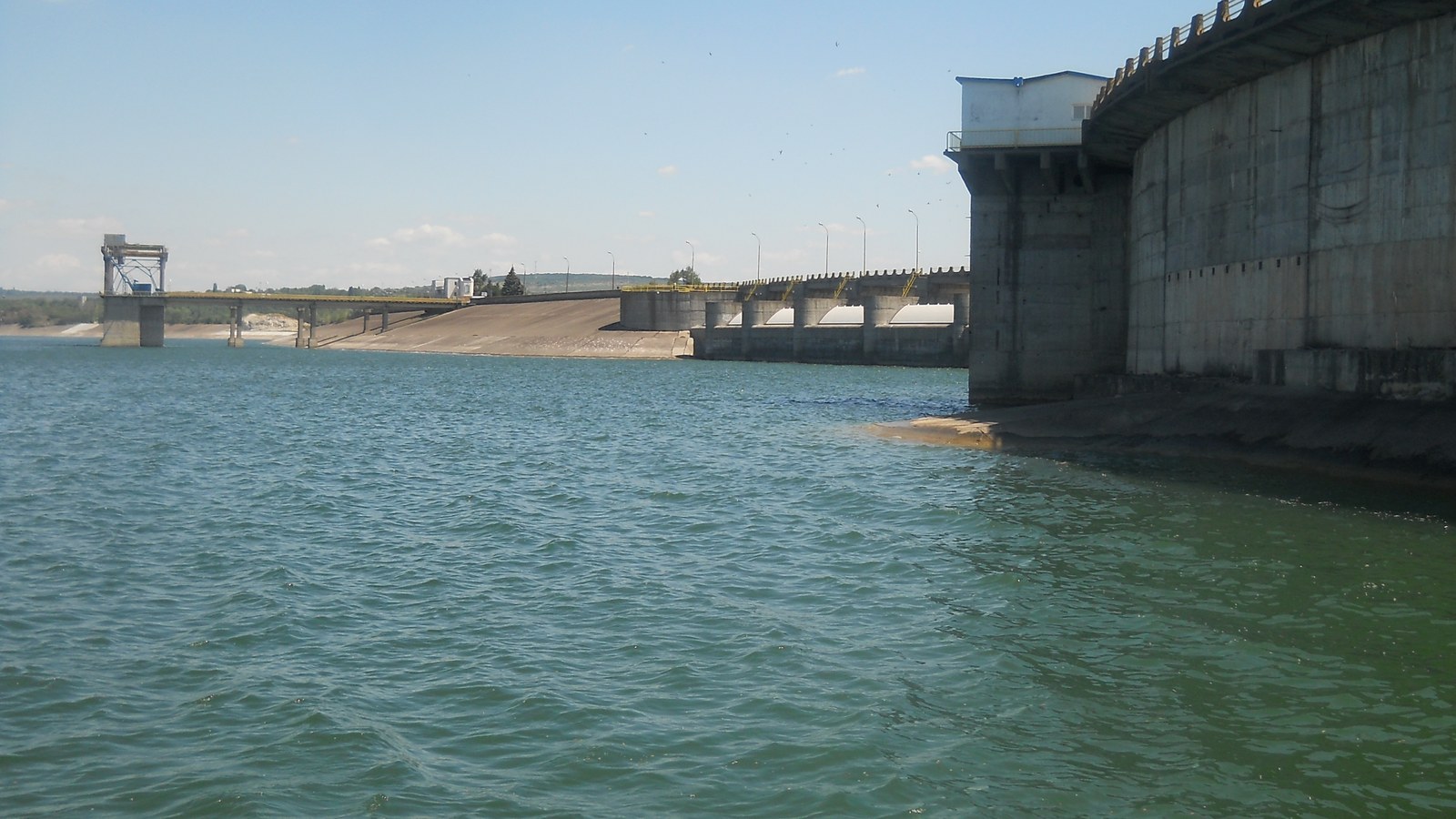
Image: Bogdan Muraru, Stanca-Costesti dam, CC BY-SA 4.0, Wikimedia Commons; the Prut dam, archive, not the checkpoint on 16 October 2026.
Sources consulted: Luxury car sought in Denmark found at Romania's border - Realitatea.md; Car worth 125,000 lei, stolen in Denmark, found at Stanca - Botosani Expres.











0 Comments
No comments on this article yet. Be the first!