


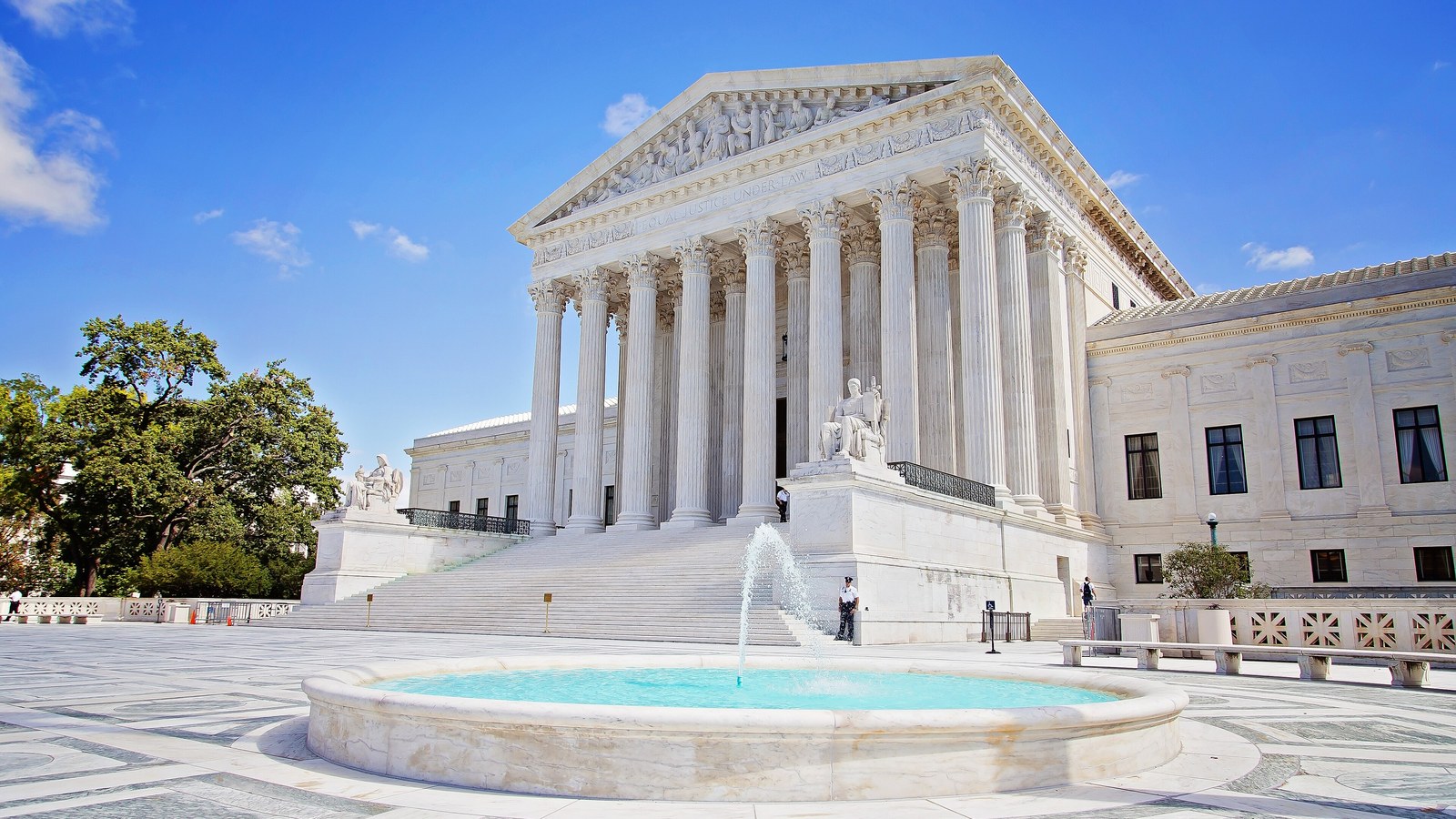
The US Supreme Court on Monday, 19 October, rejected an appeal by Khalid Sheikh Mohammed and two other men accused in the 11 September 2001 case, who wanted the government held to a plea deal it later withdrew. NBC News writes that the refusal removes one barrier before a military trial scheduled for 2028, where the death penalty remains possible. The refusal is not a conviction and not a ruling on the merits.
Mohammed is accused of being the ringleader of the plot to fly planes into the World Trade Center and the Pentagon. A fourth plane crashed in a field in Pennsylvania. The Hill notes that the other two appellants are Mustafa Ahmed al-Hawsawi and Walid bin Attash, also at Guantanamo. All three are charged, not convicted, in this military commission.
In 2024 the three had agreed a plea deal with military prosecutors, signed off by a commission judge: guilty pleas and life sentences, with no request for death. Days later then-Defence Secretary Lloyd Austin voided the deal, saying he had authority to override it. The military judge said the withdrawal came too late: the defendants had begun performance. The military courts backed the judge.
In August the US Court of Appeals for the District of Columbia Circuit sided with the government: Austin had authority. The men went to the Supreme Court, among other things arguing that the appeals court had no power to intervene. Solicitor General D. John Sauer urged rejection, The Hill writes. On Monday the justices declined to hear the cases, without explanation. Brett Kavanaugh recused himself from the Mohammed–al-Hawsawi petition.
Mohammed has been held at the US base at Guantanamo Bay since 2006. NBC writes that the delay in bringing him to trial was caused in part by concerns about evidence obtained through CIA torture. A fourth alleged plotter earmarked for trial, Ali Abdul Aziz Ali, was not part of the appeal. A joint military trial is listed for early June 2028; the start date has been pushed back several times.
Monday’s refusal does not revive the deal. It does not establish guilt. It leaves the government’s line standing: the military commission can go on, with the death penalty still on the table. Charge is not conviction.
Image: US Supreme Court building, 22 September 2014, Sunira Moses, CC BY-SA 3.0, Wikimedia Commons. The facade, not the courtroom and not Guantanamo.
Sources consulted: Supreme Court rejects alleged 9/11 mastermind’s attempt to revive plea deal — NBC News; Supreme Court declines to hear appeals from 9/11 plotters — The Hill.











0 Comments
No comments on this article yet. Be the first!