


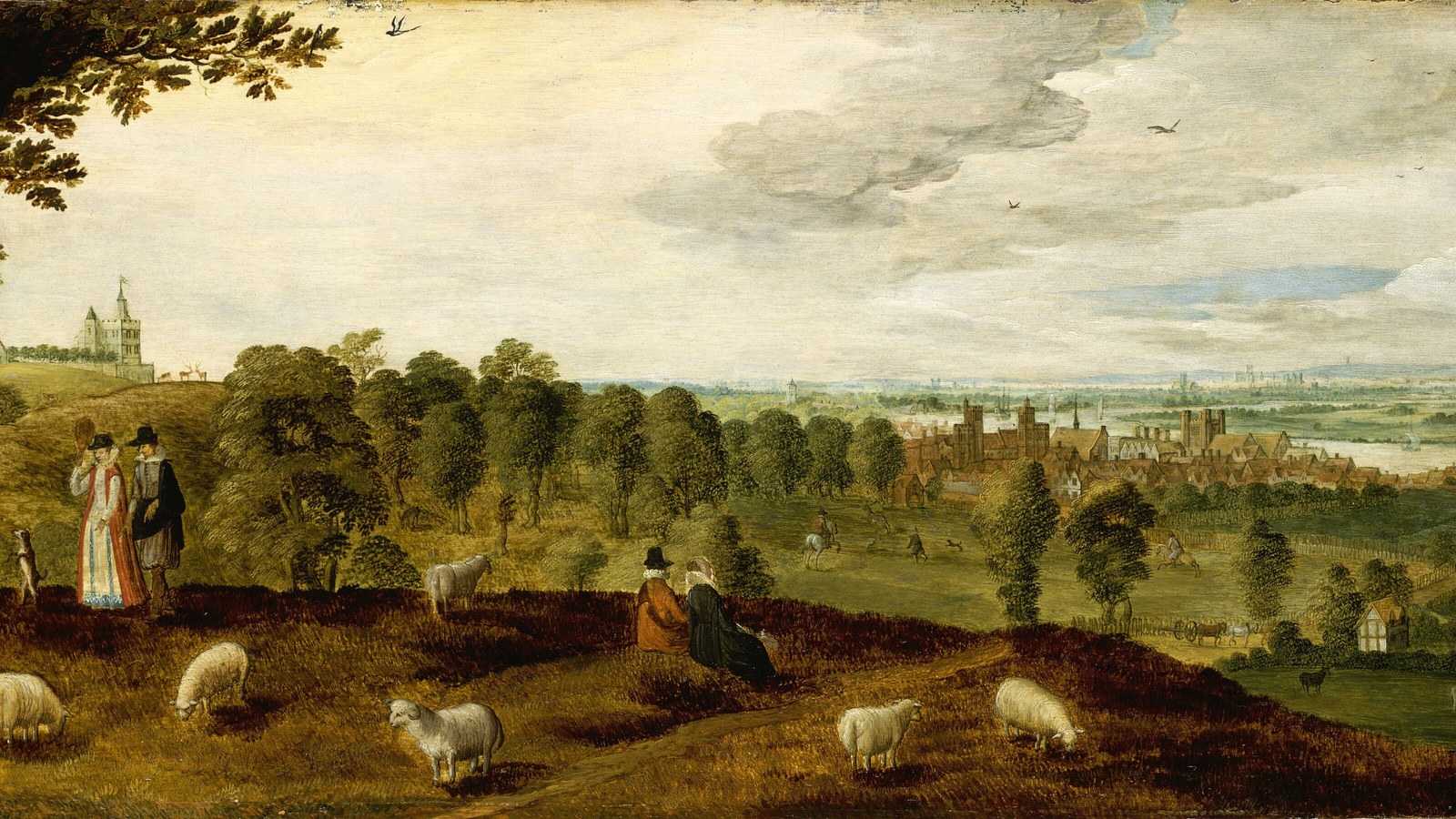
At Greenwich, on 1 July 1543, in the Tudor palace, two Anglo-Scottish treaties were signed. For Mary, Queen of Scots, with the assent of Governor Arran: William, Earl of Glencairn; George Douglas of Pittendreich; William Hamilton; James Learmonth of Dairsie; Henry Balnaves. For Henry VIII: Thomas Audley, Baron of Walden; Thomas Howard, 3rd Duke of Norfolk; Stephen Gardiner, Bishop of Winchester; Thomas Thirlby, Bishop of Westminster; the Barons St John and Gage. Henry and the infant Mary did not sign.
The Treaties of Greenwich are not the Union of the Crowns of 1603, nor the Treaty of Edinburgh of 1560, nor the Rough Wooing that followed. The first instrument is a peace treaty; the second, a marriage contract between Edward, Prince of Wales, in his sixth year, and Mary, in her first.
The peace: for the life of either prince and one year after; neither shall make war on the other; neither shall receive the other’s rebels, but shall deliver them within 20 days, homicides and robbers within 10; ships and merchants to be treated as in the treaty of 1 June 1464 between Edward IV and James III; Berwick shall remain at peace; Lundy and Lorne are left out of the peace; ratification within two months.
The marriage: upon consummation, if Henry is still alive, Mary shall have a dower of lands in England worth £2,000 a year, increased to £4,000 on his death. Until she is brought into England she remains in the custody of barons appointed by the Three Estates; the King may send, at his expense, an English nobleman with his wife or ladies, not exceeding 20 persons. Within a month after she completes her tenth year she shall be delivered to English commissioners at the bounds of Berwick, the contract having been made by proxy. Six Scottish noblemen, at least two of them earls or next heirs of earls, as hostages, changeable every six months.
Scotland shall continue to be called the kingdom of Scotland and retain its ancient laws and liberties. If Edward dies without issue, Mary shall return unmarried. Arran, who meanwhile receives the fruits of the realm, shall have an acquittance from the King and the Prince, a convenient portion reserved for her honourable entry into England. This treaty too is to be ratified within two months.
Arran ratified on 25 August. The Parliament of Scotland rejected on 11 December. Eight years of war called the Rough Wooing followed. The July treaties are not that campaign, nor the union of 1603.
Image: Greenwich from the south-east, the Tudor palace, about 1620; anonymous, Royal Museums Greenwich, public domain, Wikimedia Commons. Cropped to 16:9. The 1543 treaties were signed in this palace.
Source consulted: Treaty of Greenwich. Treaty text: British History Online: Letters and Papers Henry VIII, vol. 18/1, nos. 804–805, Greenwich, 1 July 1543.











0 Comments
No comments on this article yet. Be the first!