


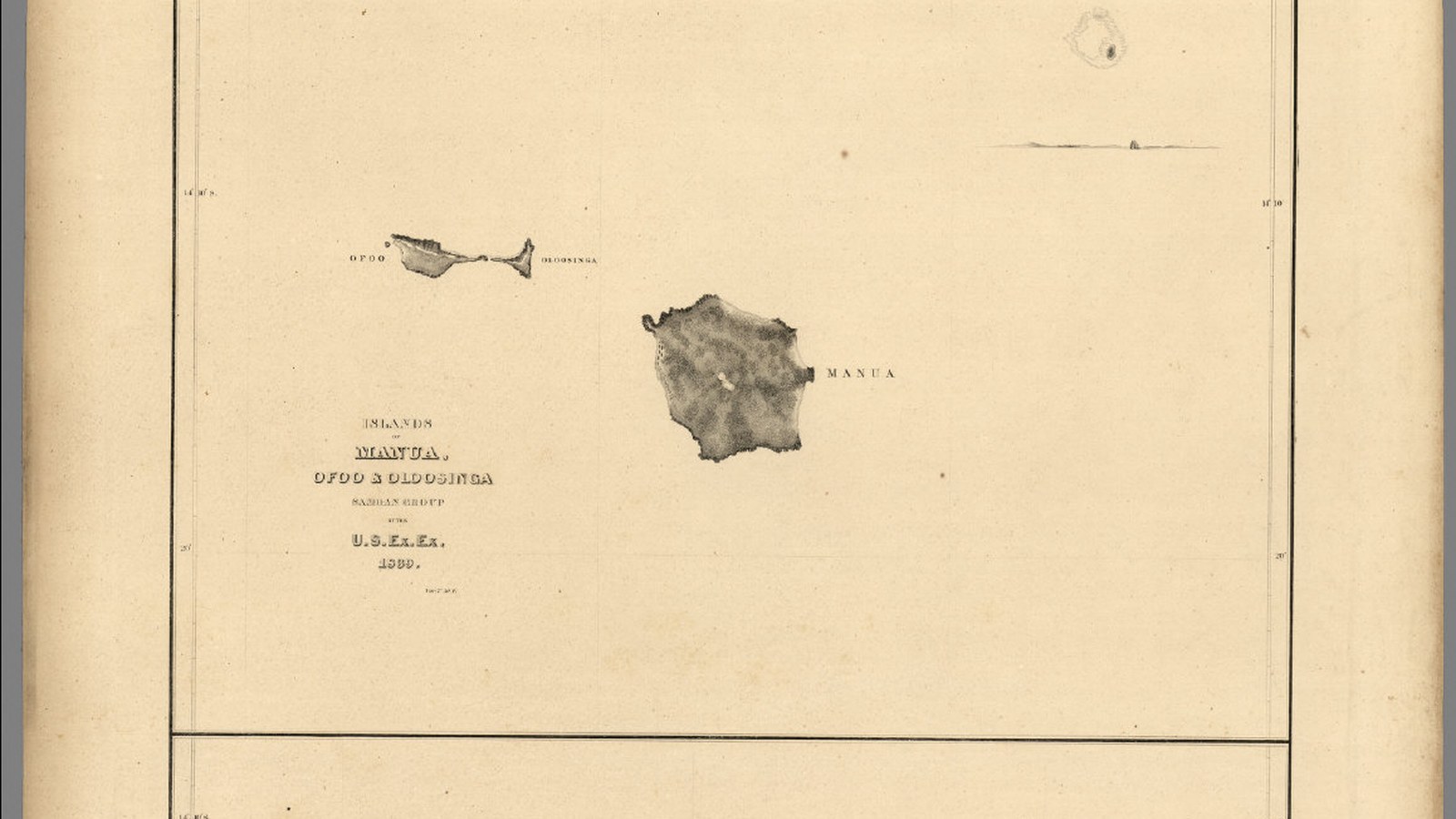
On 16 July 1904, Tui Manuʻa Elisala signs the Treaty of Cession of Manuʻa — the instrument by which the Manuʻa Islands of eastern Samoa are ceded to the United States, completing American sovereignty over American Samoa.
The treaty follows the 1900 cession of Tutuila and confirms US authority over the Manuʻa archipelago, with guarantees regarding local customs and the status of chiefs.
It was signed amid Pacific colonial rivalries and the 1899 Tripartite Convention that partitioned Samoa between Germany and the US.
The document remains the legal basis of Manuʻa’s annexation to the American Samoan territory.
For Pacific history, 16 July 1904 marks the formal cession of Manuʻa to the United States.
The text is documented in US treaty collections / American Samoa archives.
The Treaty of Cession of Manuʻa of 16 July 1904 remains the milestone of American sovereignty over Manuʻa.
Image: American Samoa; Wikimedia Commons. Cropped to 16:9.
Source consulted: Treaty of Cession of Manu'a. Treaty text: Treaty of Cession of Manu'a (FRUS).











0 Comments
No comments on this article yet. Be the first!