


The war began as a struggle between the queen mother’s favourite, Concino Concini, newly made marquis d’Ancre, and Henri II de Bourbon, prince of Condé, first prince of the blood and next in line for Louis XIII’s throne. When Huguenot princes joined, the revolt took on a religious face. The treaty, in French, was signed on 3 May 1616, at Loudun. For the court: Marie de Medici. For the princes: Condé. The talks, from February to May; from the court, secretary of state Nicolas de Neufville, marquis de Villeroy. The court sat at Tours; the feudatories, at Loudun.
Condé demanded reform of the council, revision of the finances and pursuit of the authors of Henry IV’s death. Two points were yielded, on Villeroy’s advice: council decrees valid only with Condé’s seal; for the duke of Longueville, d’Ancre’s ejection from Amiens. The treaty granted amnesty to Condé and the others and made him head of the Council of State. Concini lost the lieutenancy-general of Picardy and the governorship of Amiens. Condé received one and a half million livres. The Huguenots were allowed to unite their churches in France with those in Béarn.
The peace was published at Loudun the next day. On 6 May, at Blois, the king in Council, his mother present, saw, approved and ratified fifteen particular articles sent to the conference: the Gallican Church, the Huguenots, localities. Père Joseph, the man of the bishop of Luçon — Armand-Jean du Plessis, later Cardinal Richelieu — was also at the table.
Concini remained Marie’s favourite. Du Plessis became conseiller d’état late in May. Concini got Villeroy out of the council in June, fully on 9 August, took the lieutenancy of Normandy and the governorship of Caen and another three hundred thousand livres. A foreigner from Florence, he reopened the nobles’ hatred. Condé delayed his return to Paris; the bishop of Luçon brought him with a bribe and the removal of marshal de La Châtre from Berry.
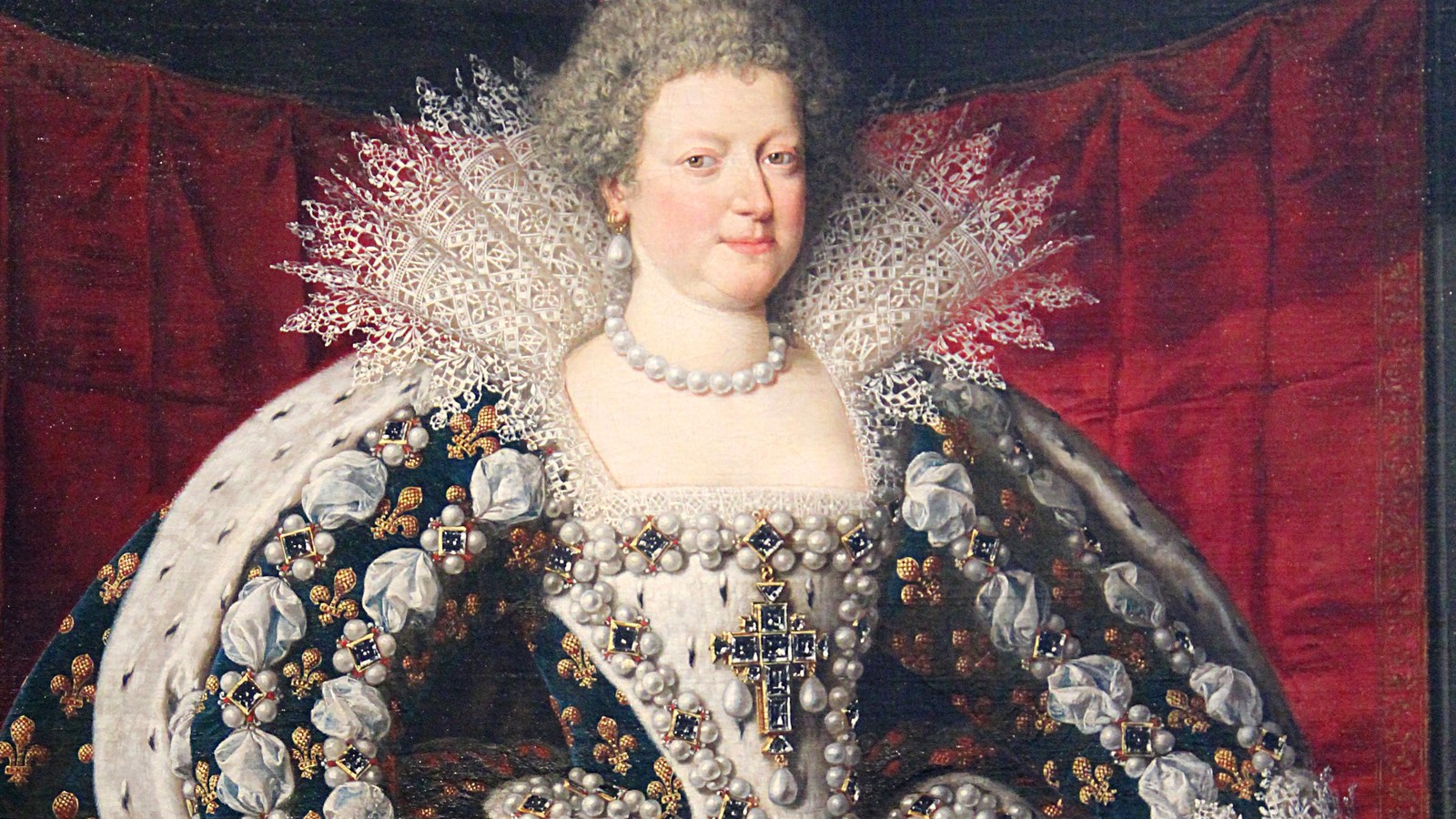
On 1 September 1616 Louis invited Condé to a short talk and the palace guards arrested him. His followers fled. The peace broke. The war closed with the coup of 24 April 1617: Concini, arrested, resisted and was killed. Marie and her suite, including du Plessis, were sent to Blois on 3 May. The cover is Pourbus’s portrait of Marie, the court signatory; Condé on Commons is too small.
Sources: Treaty of Loudun; Arthur H. Lord, The Regency of Marie de Médicis.











0 Comments
No comments on this article yet. Be the first!