


On 21 April 1920, in Warsaw, Poland and the Ukrainian People’s Republic sign the Treaty of Warsaw — the Petliura–Piłsudski alliance against Bolshevik Russia.
The political document is completed on 24 April by a military addendum. Poland recognises UPR independence; Ukraine offers military support; the Zbruch border is accepted as an international line — at the cost of Ukrainian renunciation of Eastern Galicia.
The context is the Polish–Soviet War and the Kiev offensive. Piłsudski sought allies for his Międzymorze project; Petliura saw the alliance as the last chance for an independent Ukraine after losing almost all territory to the Bolsheviks.
The joint offensive reached Kiev in May 1920, then the Soviet counter-offensive drove the front nearly to Warsaw. The Polish victory on the Vistula saved Poland, not the Ukrainian project.
Permanent impact was nil: the 1921 Peace of Riga partitioned the territories between Poland and the Ukrainian SSR. The alliance expired with that peace.
Soviet propaganda cast Petliura as having “sold Ukraine to the Polish landowners” — an image that marked the political memory of the alliance.
The Treaty of Warsaw of 21 April 1920 remains the ephemeral Polish–Ukrainian alliance of the war with the Bolsheviks.
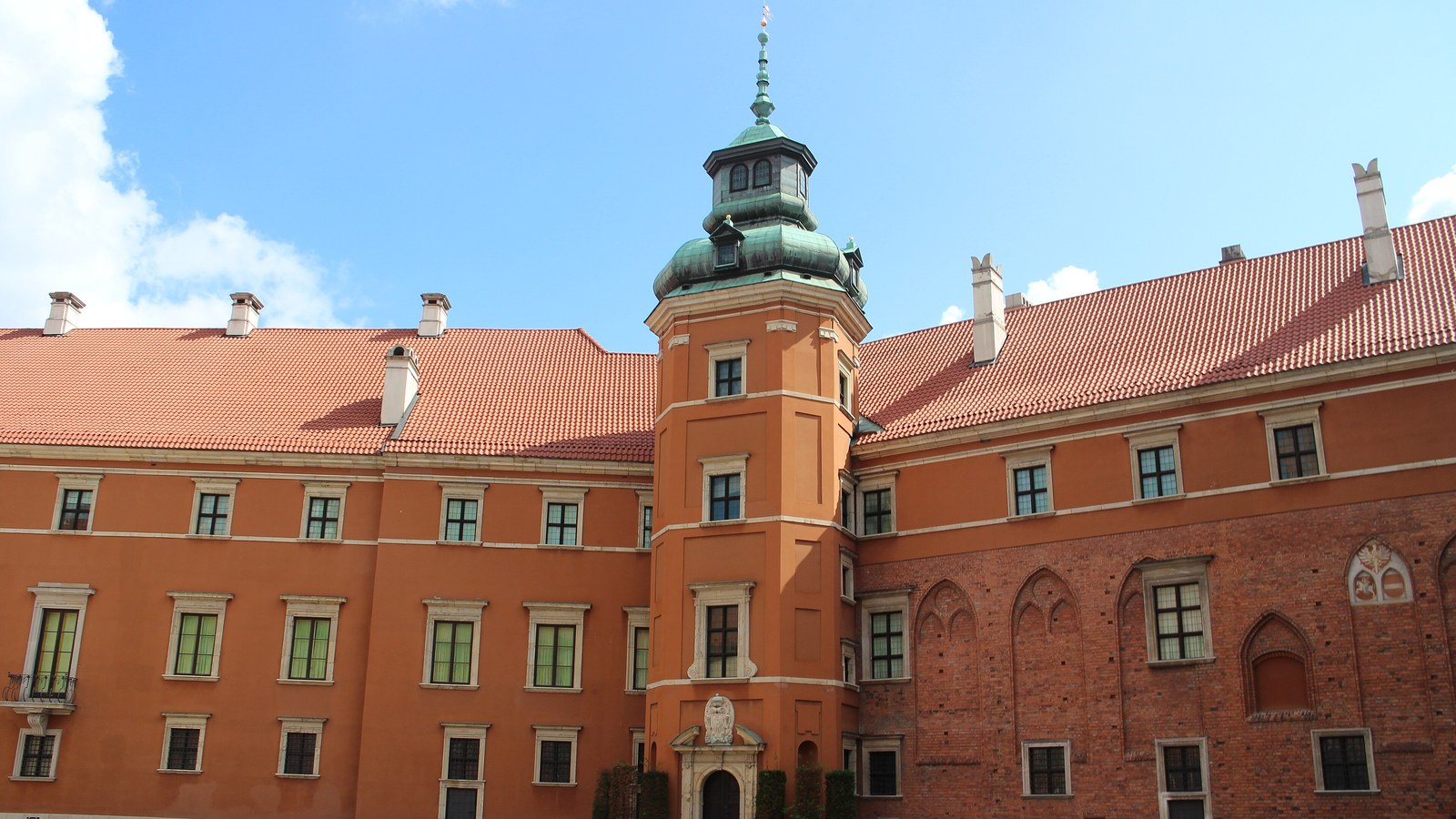
Image: Warsaw; Wikimedia Commons. Cropped to 16:9.
Source consulted: Treaty of Warsaw (1920). Treaty text: Treaty of Warsaw (Wikisource).











0 Comments
No comments on this article yet. Be the first!