


On Friday evening, President Donald Trump signed an executive order waiving the new sanctions and tariffs in the Lindsey O. Graham Act. They were due to take effect on 18 October, 30 days after he signed the bill on 18 September. The White House posted the decision late and said it had sent Congress a certification that the waiver is, for now, in the national interest of the United States.
The order sets aside, among other things, tariffs of up to 500% on Russian goods — including oil and gas — and of up to 100% on the top five buyers of Russian crude and natural gas, as well as on countries accused of helping evade oil sanctions. India, one of the largest buyers, had already raised concerns. Sanctions imposed earlier by executive order remain in force. ABC notes, however, that the Graham law would have locked those sanctions in place; that provision is now waived too, leaving the president freer to change them later.
The statute is named after the South Carolina Republican who sponsored it and who died before it passed. It had bipartisan support and cleared Congress in September. It was meant to hit banks, officials and the shadow tanker fleet. The stated aim was to starve Vladimir Putin of the money to keep waging war in Ukraine.
The waiver lasts until Trump or senior officials decide that “further action is appropriate”. The White House did not immediately explain in public how the move serves the national interest, even though a report went to Congress. It comes a week after the Treasury, through an OFAC licence, authorised the sale and import of Russian diesel, in a deal Trump presented as a way to bring energy prices down.
Analysts cited by Deutsche Welle also point to the pump: the new tariffs could have pushed oil prices higher still, while Americans are already paying more, largely because of the US–Israeli war on Iran, and with midterm elections approaching. Democratic senator Richard Blumenthal, who helped draft the bill, said Trump was turning his back on “the majority of Americans, their representatives in both houses of Congress, and our European allies”. “These waivers have nothing to do with our national security, and everything to do with sucking up to Vladimir Putin,” he added.
Ukrainian president Volodymyr Zelenskyy thanked Democrats and Republicans who backed the bill, which he called a genuine bipartisan victory. Blocking it, he wrote, seems wrong. “It definitely helps only the Russians. It only fuels their satisfaction and their desire to keep killing people. This certainly does not stop the war.”
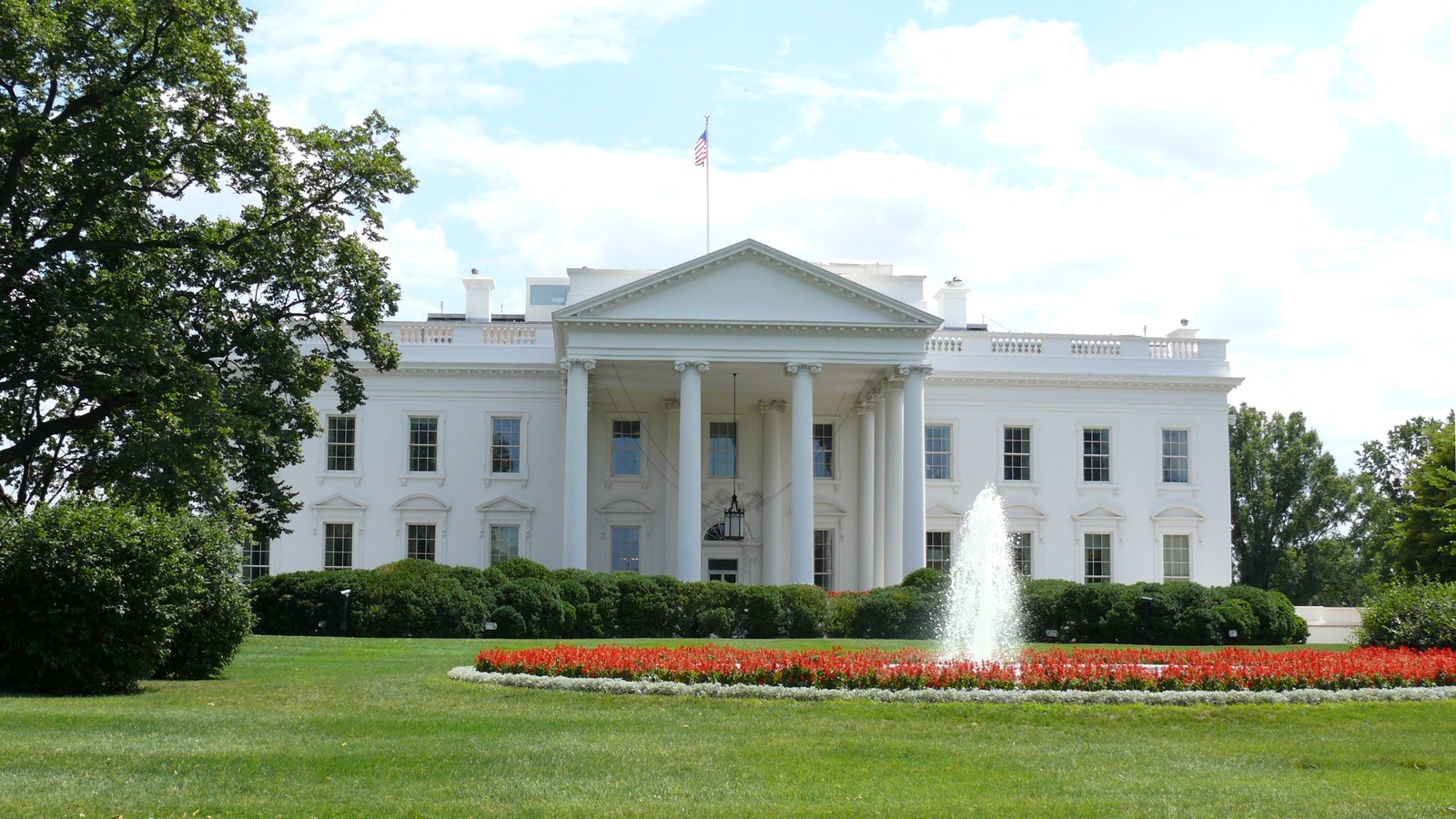
Image: Ad Meskens, the White House, 23 July 2007, CC BY-SA 3.0, Wikimedia Commons. The photograph shows the building, not the signing of the 16 October 2026 order.
Sources consulted: Trump puts new Russia sanctions on hold — Deutsche Welle; Trump signs order waiving Graham Act sanctions on Russia — ABC News; Implementing the Lindsey O. Graham Sanctioning Russia and Iran Act of 2026 — The White House.











0 Comments
No comments on this article yet. Be the first!