


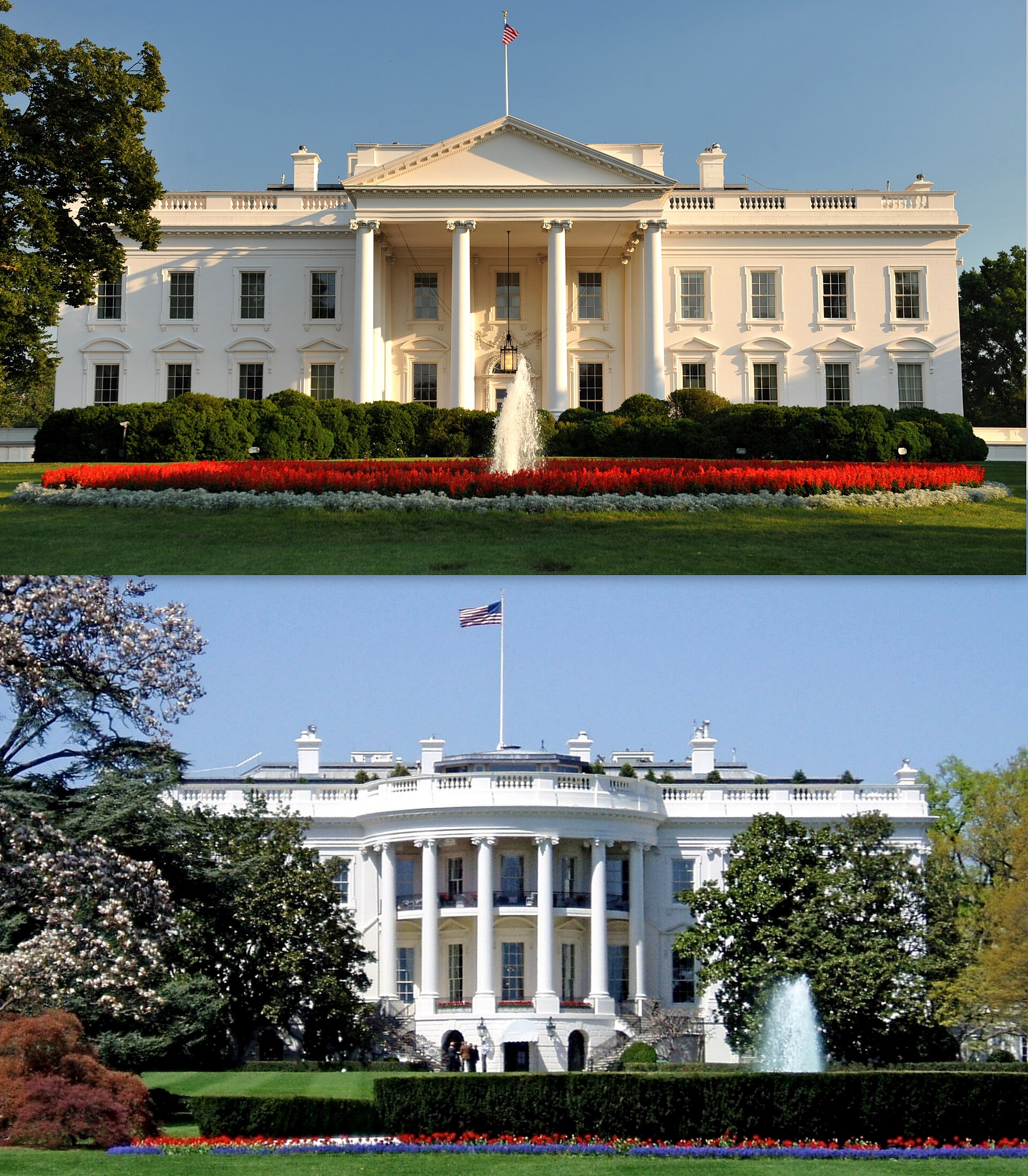
US President Donald Trump welcomed Chinese leader Xi Jinping to Washington for their second summit of 2026. Xi’s first visit to the US capital in more than a decade comes as both powers try to limit the risk of renewed escalation.
The agenda covers trade and tariffs, Taiwan, the Iran war and competition in artificial intelligence. Their interests overlap only partly: Washington wants visible economic gains, while Beijing seeks predictability and relief from pressure on trade.
A summit does not automatically produce an agreement. The outcome should be judged by joint documents, concrete concessions and announced deadlines after the talks rather than by political messaging before the meeting.
The US–China relationship remains defined by economic competition and geopolitical risk. Any claim of a “deal” should be checked against the text of statements and the measures actually announced.
The agenda items — tariffs, Taiwan, Iran and AI — show how wide the list of differences remains. Progress on one file does not automatically resolve the others.
For markets and diplomacy, the meeting’s relevance is measured after the talks, not before them. Following official documents remains essential.
Source consulted: Investing.com — Factbox: key issues for the Trump–Xi summit











0 Comments
No comments on this article yet. Be the first!