
The UK government announced on 11 September 2026 an investment of around £1 billion in 29 battery-electric trains to be built in Derby and used on TransPennine Express services. The Department for Transport says they will be the first such trains intended for Britain’s long-distance main-line services. They are not in traffic yet: construction is due from 2028, and they are expected to enter service from winter 2034.
The trains, named Adessia Stream, will be manufactured by Alstom at Litchurch Lane Works. They will take power from the overhead line where the route is electrified and from batteries on sections without it. The stated aim is to cut diesel traction without waiting for every kilometre to be wired. Battery range and exact operating patterns will depend on the final design and the routes. The technology does not, by itself, replace electrification of the network; it is meant to complement it on some stretches.
According to the DfT, the order will support more than 350 skilled jobs in Derby, plus 40 apprentices and 40 students, and almost 6,000 jobs across the British supply chain. Those figures are jobs supported by the investment, not 6,000 new posts created directly at the factory. The government also estimates about £360 million for the wider economy. The trains will be bought by Rock Rail and leased to the operator.
TransPennine Express links northern England with Scotland. The DfT says the new units will run between Liverpool Lime Street and Scarborough, Manchester Airport and Saltburn, and Manchester Piccadilly and Hull. Officials also estimate journey-time cuts of up to 10 minutes between Manchester and Leeds and up to 14 minutes between Manchester and York, as part of the Transpennine Route Upgrade. For passengers, the real effect will depend on delivery, the routes actually used and reliability once the fleet is in service.
A large part of Britain’s railway remains unelectrified, and diesel trains still cover many journeys. Batteries offer an intermediate option: stored energy for stretches without overhead wire. The DfT ties the fleet to plans to raise capacity on the trans-Pennine corridor by about 30% by the early to mid-2030s. The accessibility features announced include level boarding; interior details remain to be confirmed as production proceeds.
Derby is a historic centre of British railway manufacturing; Litchurch Lane has built rolling stock since the late nineteenth century. The order is also presented as support for domestic industry, under Great British Railways. After the announcement come construction, testing, certification and entry into service. Delivery dates may still be updated by the DfT, TransPennine Express and Alstom. The test for travellers will come after 2034: whether the trains keep time, add seats and work on battery on the routes named.
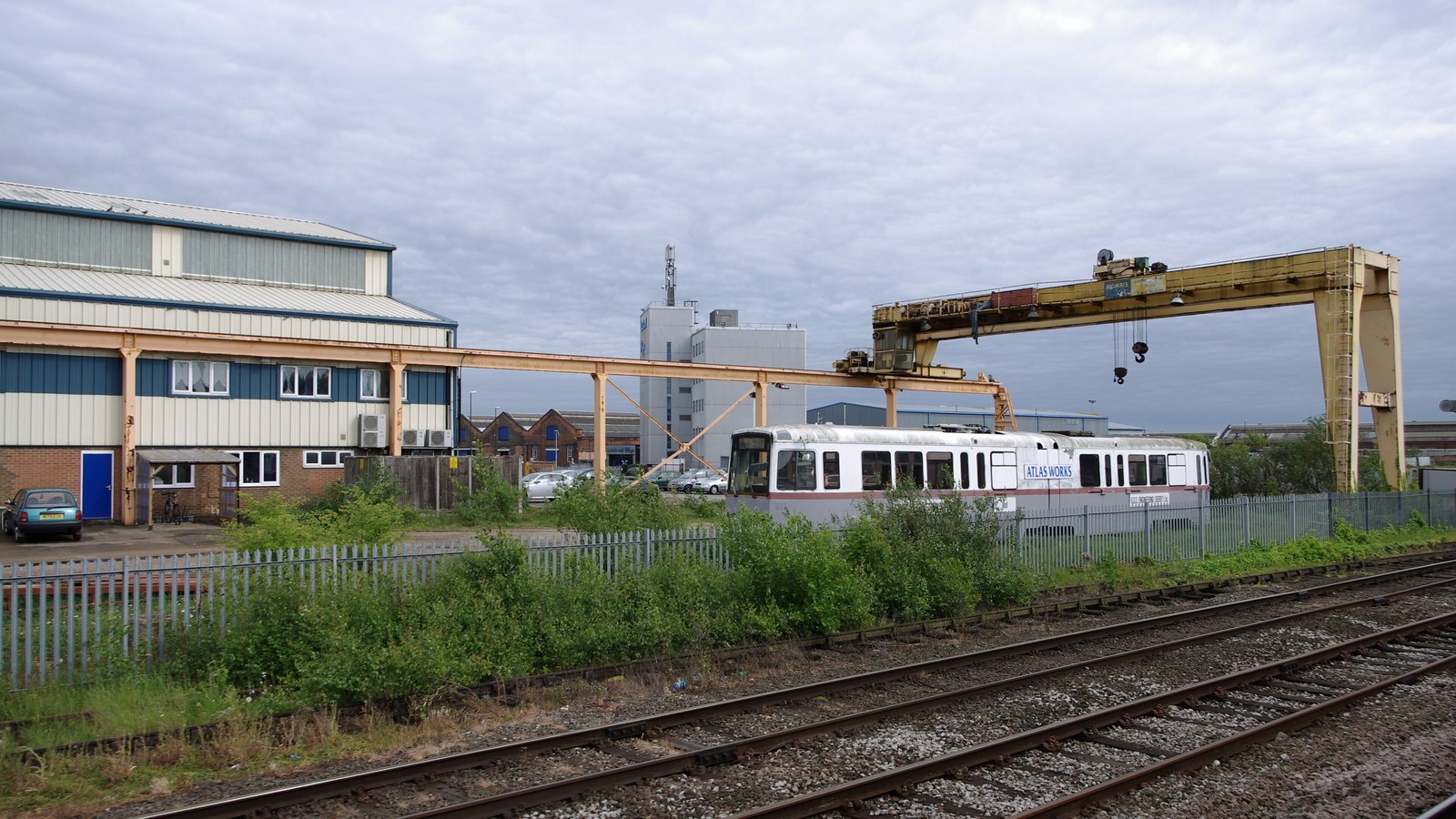
Photo: mattbuck / Wikimedia Commons, CC BY-SA 2.0. Litchurch Lane rolling-stock works in Derby, photographed on 23 May 2011 when the site was Bombardier’s; it is now run by Alstom. These are not the new Adessia Stream trains, which have not yet been built. The image was cropped to 16:9.
Sources consulted: New British-built trains to transform railways and reindustrialise Britain | Department for Transport; TPE unveils £1bn battery train fleet to transform rail travel across the north | TransPennine Express.








0 Comments
No comments on this article yet. Be the first!