


UK energy bills could jump by more than a quarter in January — about £460 a year extra for a typical household — according to forecasts from British Gas, EDF and E.ON, the BBC reported. For the second time in four years, a distant war is landing in British inboxes.
Since US and Israeli strikes on Iran in February effectively closed the Strait of Hormuz, oil and gas prices have soared. Winter may push them higher still: European gas stores are at their lowest since records began in 2011.
At COP31 in Antalya, the contest is between two energy superpowers: America is betting on fossil-fuel molecules — record oil and gas volumes — while China bets on electrons — solar panels, batteries and electric cars. The UK, which already buys nearly a quarter of its imported gas from America and much clean-tech kit from China, is being pulled both ways.
Energy Secretary Miatta Fahnbulleh says affordability outranks climate while living costs bite: “We are far too exposed to global markets. What’s the solution? Homegrown clean energy.” Yet after US lawmakers pressed London, ministers blocked a Ming Yang turbine factory in Scotland on national-security grounds and approved the Jackdaw North Sea gas field.
Rosebank, the UK’s largest undeveloped oil field, is next. Fahnbulleh says more domestic drilling “doesn’t” cut bills because oil and gas sell on global markets. Political opponents still demand drilling as a shield against price spikes.
The Climate Change Committee calculates a 2022-style shock would lift bills 59% on a high-carbon path versus just 4% if Britain focused on renewables — but costly grids and gas still setting wholesale power mean turbines do not automatically shrink household bills.
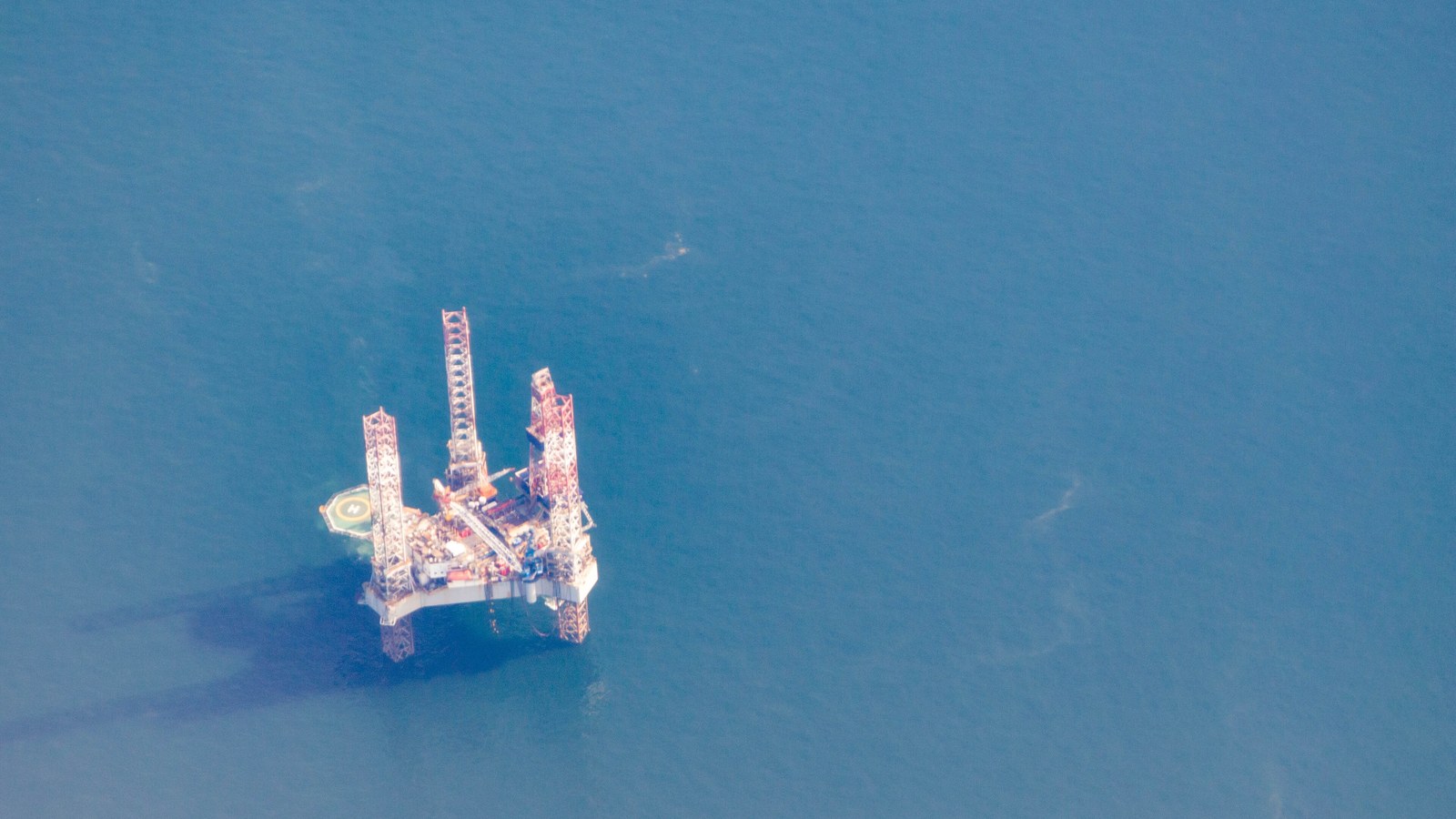
Image: North Sea oil platform (Wikimedia Commons, CC BY-SA 4.0).
Sources consulted: The superpower battle over energy, and the impact on your bills — BBC.










0 Comments
No comments on this article yet. Be the first!