
The UK government introduced measures on Friday 11 September 2026 to shorten the wait before Bluetongue cases are confirmed in England. A joint statement from the Department for Environment, Food & Rural Affairs (Defra) and the Animal and Plant Health Agency (APHA) points to rising case numbers and the need for farmers to get a faster answer.
Under the new approach, a private veterinarian who examines livestock and finds clear clinical signs of the disease can make a diagnosis; formal confirmation remains with APHA. Until now, when Bluetongue was suspected, samples had to go to the laboratory before a case could be confirmed. In straightforward cases, that wait could delay the keeper’s response. Laboratory testing has not been removed: it remains the rule when the clinical picture is unclear.
Authorities stress that the change is not a general loosening of animal-disease controls. If a veterinarian cannot rule out another notifiable disease — including foot-and-mouth disease — the usual reporting and laboratory testing arrangements still apply. Some signs overlap, and the simplified route is reserved for cases where Bluetongue is clear enough in the context of widespread circulation in England. The procedure described in the announcement applies to England; not every part of the United Kingdom is using the same process at the same time.
APHA has also introduced an online system so veterinarians can report cases directly, with the aim of cutting administrative delay. The agency has published a heat map of suspected and confirmed cases so keepers can see the picture around their holding. The map is a guide, not a substitute for veterinary advice.
Defra and APHA say the change matches the present stage of the outbreak in England, where Bluetongue is now widespread. As early as 14 August, the UK’s Chief Veterinary Officer had urged keepers to stay alert and discuss vaccination, after hot and humid weather favoured the biting midges that spread the virus, with a marked rise in South West England and parts of Wales. The official situation page, also updated on 11 September 2026, records 27 new BTV-3 cases confirmed in England on 10 September, plus three in Wales and three in Scotland. For the 2026–2027 season the same official tally lists 943 confirmed premises in England, 114 in Wales, 24 in Scotland and none in Northern Ireland — 1,081 cases in all, where a case means a holding with at least one positive animal.
Bluetongue is a viral disease of ruminants, spread mainly by Culicoides biting midges. Sheep, cattle, goats, deer and camelids, including llamas and alpacas, can be affected; sheep often show more severe disease and a higher risk of death. Signs can include fever, lameness, swelling of the lips, tongue, head or neck, discharge from the eyes or nose, mouth ulcers, breathing difficulty, a drop in milk yield, abortion or stillbirth, weakness and loss of appetite. Presentation varies. British authorities state explicitly that the disease does not affect people and does not pose a food-safety risk.
Vaccination remains, in the authorities’ assessment, the most effective tool available for susceptible livestock. The government has authorised three vaccines against serotype BTV-3 for use in Great Britain; keepers are urged to discuss with their veterinarian whether vaccination is appropriate for their herd or flock. Immunity takes time to develop, so that conversation should not wait until disease arrives on the farm. Vaccination is not presented as a universal obligation for all animals.
Farmers in England can also apply for government-funded veterinary visits through the Animal Health and Welfare Pathway; according to the government, the online application takes less than two minutes. During those visits, vets can discuss Bluetongue risks, prevention and the animals’ wider health. Bluetongue remains a notifiable disease: suspicion must be reported. The new procedure does not cancel duties on surveillance, animal movements and biosecurity; it is meant to shorten the interval between a clear case and official confirmation at a time when the virus is already circulating widely in England.
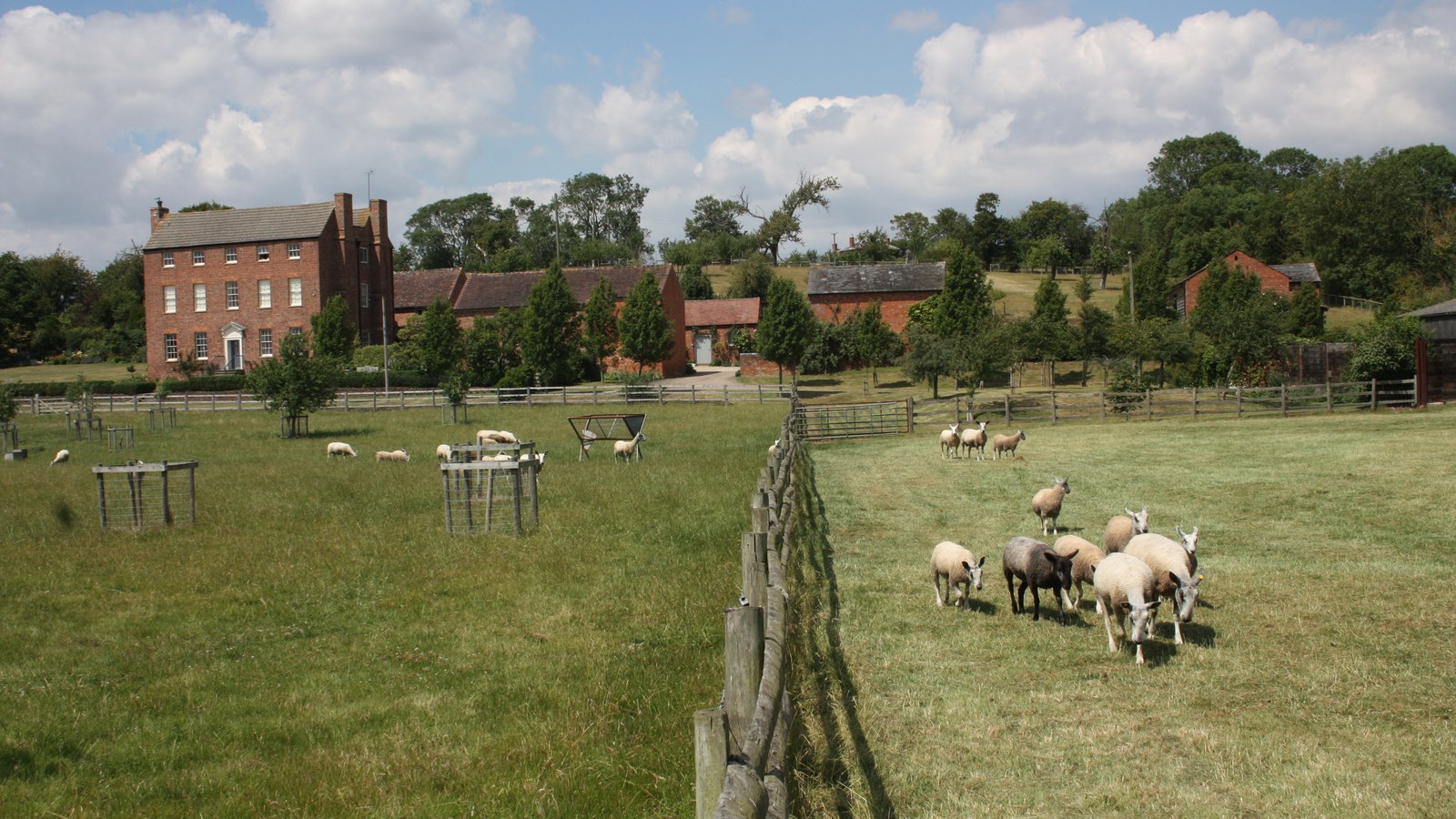
Photo: Bob Embleton / Wikimedia Commons, CC BY-SA 2.0. Sheep in pasture near New Hall Farm, Forty Green, Gloucestershire, photographed on 14 July 2011. The animals are not shown with Bluetongue and the picture is not from the 2026 outbreak. The image was cropped to 16:9.
Sources consulted: Government steps up Bluetongue response | Defra and APHA; Livestock keepers urged to be on high alert and consider vaccination as Bluetongue cases rise | Defra; Bluetongue: latest situation | GOV.UK.




0 Comments
No comments on this article yet. Be the first!