
The United Kingdom and the United States announced, at the Global Fusion Policy Summit in London (14 September), two agreements to accelerate fusion research. The first links the UK Atomic Energy Authority to Princeton Plasma Physics Laboratory in a supercomputing partnership, with artificial intelligence and plasma physics.
The second is a joint statement on regulatory cooperation. The stated aim: less uncertainty for researchers and investors, compatible approaches for future plants, without cancelling national safety assessments.
Fusion combines light nuclei, the process that powers the Sun. In experimental reactors the fuel is plasma at extreme temperatures; stable control and energy extraction remain open problems. The agreements do not set a date for a commercial plant.
The British government ties the announcement to a £2.5 billion investment and a target of more than 10,000 sector jobs by 2030. Those are strategy and an economic estimate, not proof that the grid already takes fusion current. The STEP programme aims at a prototype towards 2040, at West Burton.
Other lines appeared at the summit: shielding materials at the University of Birmingham, Kyoto Fusioneering investment in Project ALBION, the SUNRISE supercomputer at Culham. They complete the picture but do not replace a useful plant-level energy balance.
Materials, fuel production, maintenance and cost remain technical traps. The partnership may speed simulations; it does not sell kilowatts.
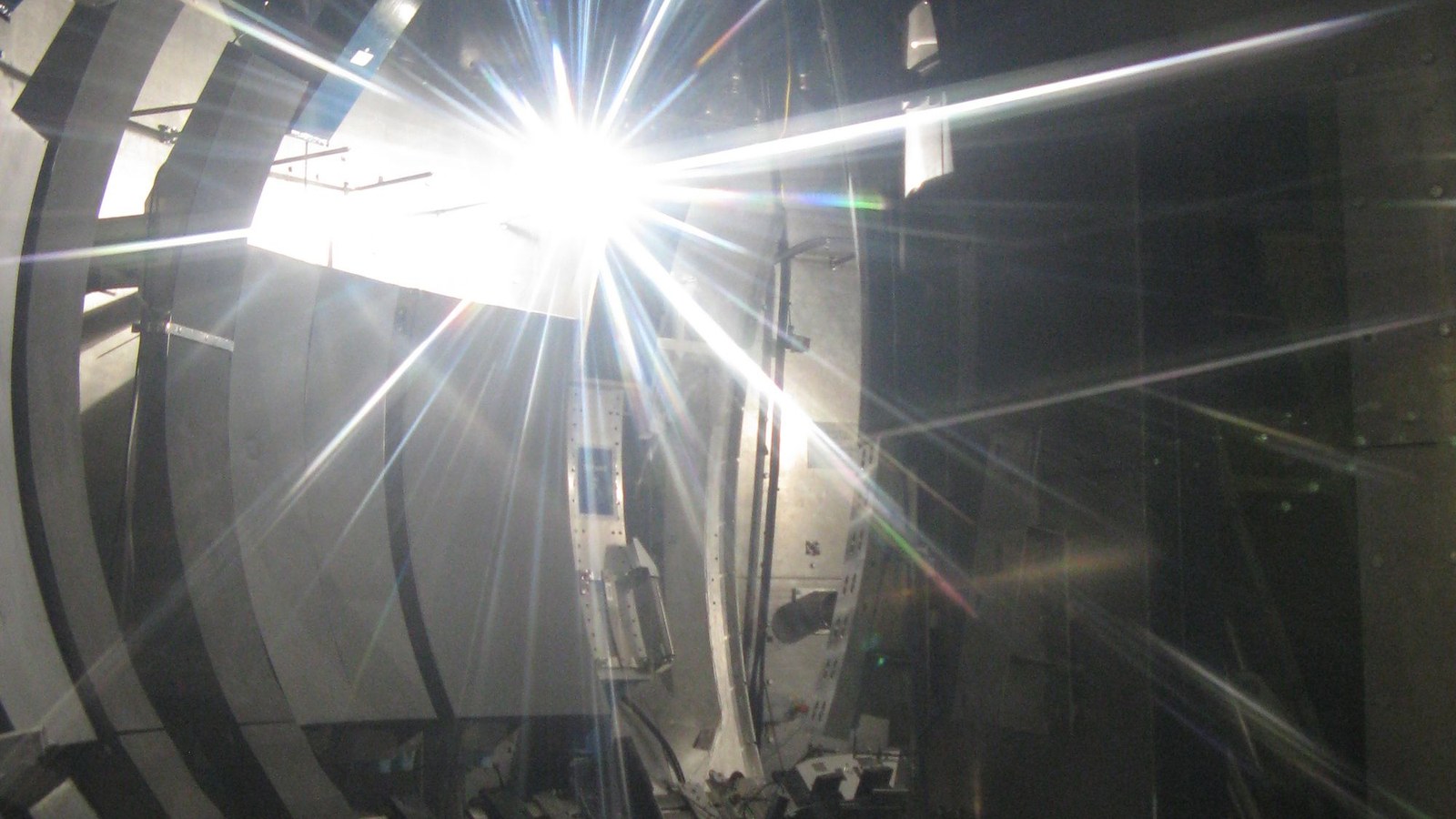
Image: Joint European Torus, Culham / Wikimedia Commons. An experimental facility, not a plant feeding the grid. Cropped to 16:9.
Source consulted: UK and US fusion strike partnership | GOV.UK; UK Atomic Energy Authority.









0 Comments
No comments on this article yet. Be the first!