


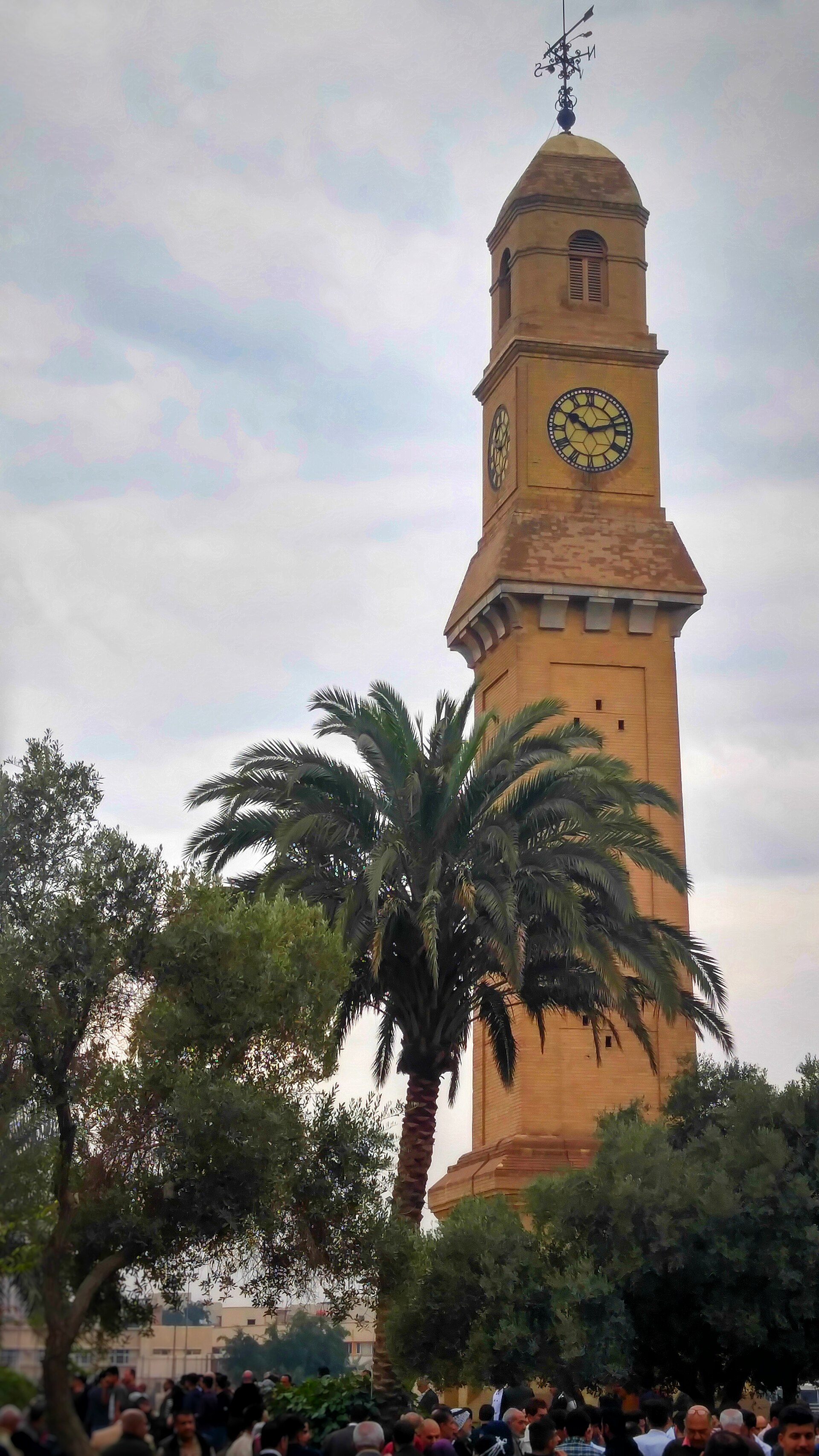
The United States formally ended its military presence in Iraq on September 30, closing a chapter that began with the 2003 invasion and continued through changing combat, training and advisory missions.
The withdrawal marks a major shift in the US posture in the country. The exact form of the mission’s end — troops, bases and mandates — should be confirmed from official statements by both governments.
Troop withdrawal does not end the bilateral relationship. Diplomatic, economic and security cooperation may continue in other forms, while the consequences will depend on Iraqi institutions and regional conditions.
For the Middle East, the moment has strategic relevance. Any assessment should separate the end of the military presence from Iraq’s internal politics and developments in the neighbourhood.
The September 30 announcement closes a long chapter, but it does not automatically settle the security balance of the years ahead. Bilateral agreements remain essential to watch.
This article treats the withdrawal as an officially announced fact and leaves operational details open to verification as documents and clarifications appear.
Source consulted: Reuters — US ends military presence in Iraq











0 Comments
No comments on this article yet. Be the first!