
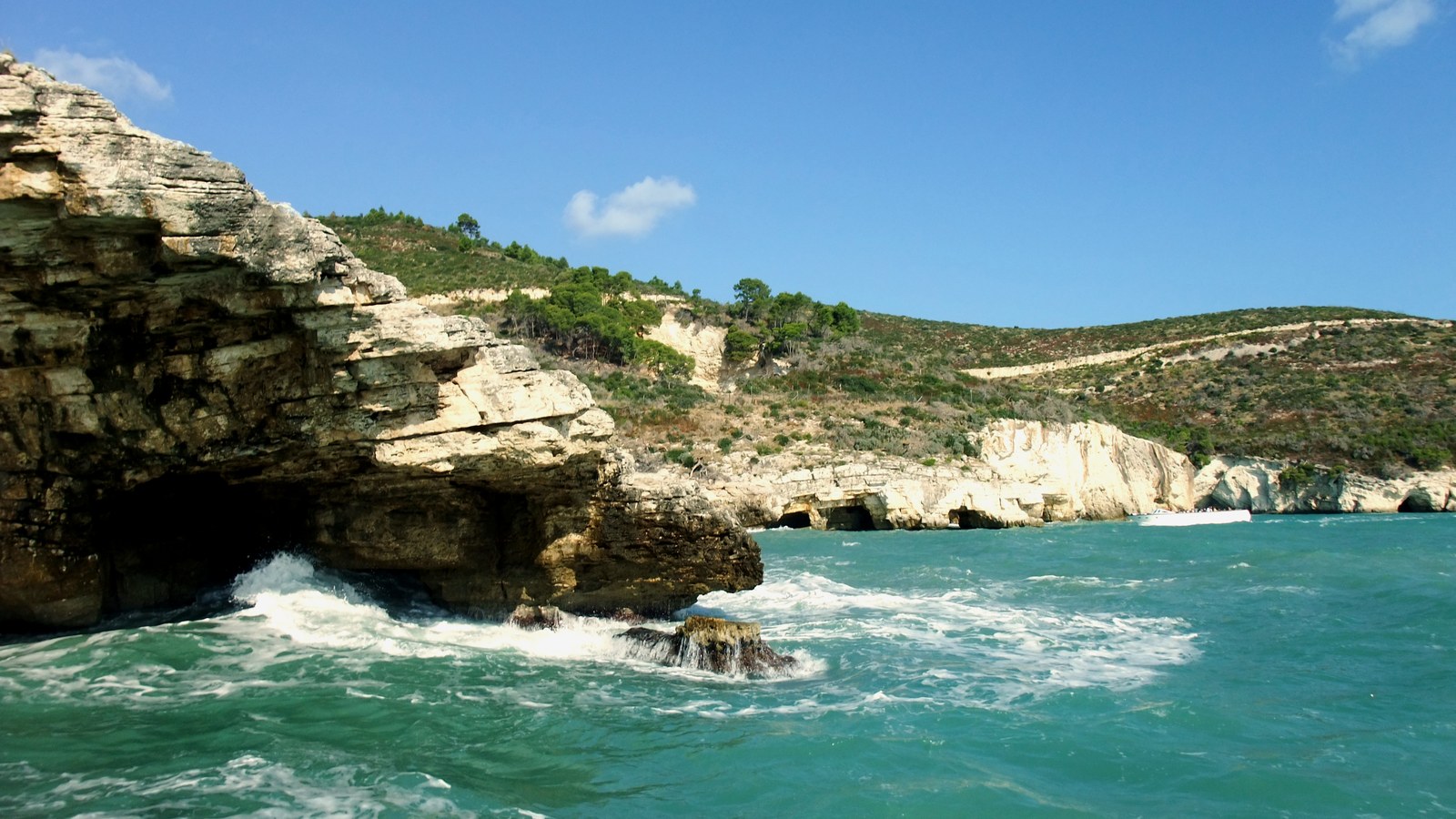
Vieste, a tourist destination on the Puglia coast, illustrates a tension increasingly familiar in visitor-dependent towns: a home can earn more as short-term visitor accommodation than as a year-round rental for residents. Local analyses and regional debates describe pressure on the supply of permanent housing — not a municipal policy of evicting people in order to bring in tourists.
Dramatic wording that “locals are being thrown out for tourists” needs to be put in context. The mechanism is economic: seasonal contracts and short-term rental platforms can shrink the stock available to people who work year-round in hotels, restaurants and services. In Puglia, a regional bill aims to give municipalities tools over new tourist lets without cancelling existing operations, according to local reporting on limits to tourist rentals.
On the same day, 16 September, Ursula von der Leyen said in her State of the Union address that the Commission had proposed the first European Housing Act to tackle short-term rentals and housing speculation, insisting that housing “is not a privilege”. That is an EU-level framework, not a Vieste-specific measure. Housing prices cannot be reduced to a single cause: construction, incomes, second homes and borrowing costs all act at once.
The paradox of a successful resort is that it needs local workers, yet those workers may struggle to find an affordable rent in the same town. Vieste’s debate shows one limit of tourism success: a town can attract ever more visitors and still need to remain liveable for the community that keeps it functioning all year.
Image: Nikater, Wikimedia Commons, CC BY-SA 3.0. Coast near Vieste (2012), not a photograph of a rental dispute. Cropped to 16:9.
Source consulted: 2026 State of the Union Address by President von der Leyen — Housing Act / short-term rentals (SPEECH/26/1868); Limiti a locazioni turistiche e affitti: la Regione Puglia verso la nuova legge | BariToday.







0 Comments
No comments on this article yet. Be the first!