


The World Health Organization, the World Meteorological Organization, UNICEF and the United Nations Population Fund on Wednesday, 21 October, launched the first set of priority indicators to track the effects of extreme heat on pregnant women, newborns and children. The WHO statement, reported by Digi24, describes a monitoring framework, not a binding regulation and not a heatwave under way in Romania.
Studies cited by the agencies link heatwave exposure to about 26% higher odds of preterm birth. Infants under one year had, in 2024, 389% more heatwave days than in the 1986–2005 baseline. Worldwide, some 1.5 billion children are exposed to heatwaves that are becoming more frequent, longer or more severe. The figures are not a medical tally of Wednesday.
Bruce Gordon, acting director of WHO’s department for environment, climate, One Health and migration, said older people, pregnant women, newborns and children are among those least able to escape the new risks. Health systems, he added, need data to recognise that reality, from protection during heatwaves to embedding climate risk in everyday services.
The framework recommends tracking preterm births, stillbirths, low birth weight, hypertension in pregnancy, child deaths and health-facility visits during extreme heat. School attendance can also show how heat disrupts children’s lives. The indicators are a starting point for trends, not proof of causation in each case.
Dr Pascale Allotey, director of WHO’s department for sexual, reproductive, maternal, child and adolescent health, said systems that do not count cannot respond. Linking health outcomes with heat-exposure data, including air temperature, should flag unusual changes, prepare facilities for higher demand and strengthen warnings to pregnant women and families.
The technical publication, ISBN 9789240125063, groups the indicators in four domains: routine maternal, newborn and child-health monitoring, public-health surveillance, climate-and-health monitoring, and measures of heat exposure. Countries may choose indicators suited to their context; a common set would allow comparisons.
WHO urges countries to strengthen monitoring, heat-health action plans and early-warning systems. The launch is a call and a tool, not a domestic law and not a diagnosis of a heat episode in Romania.
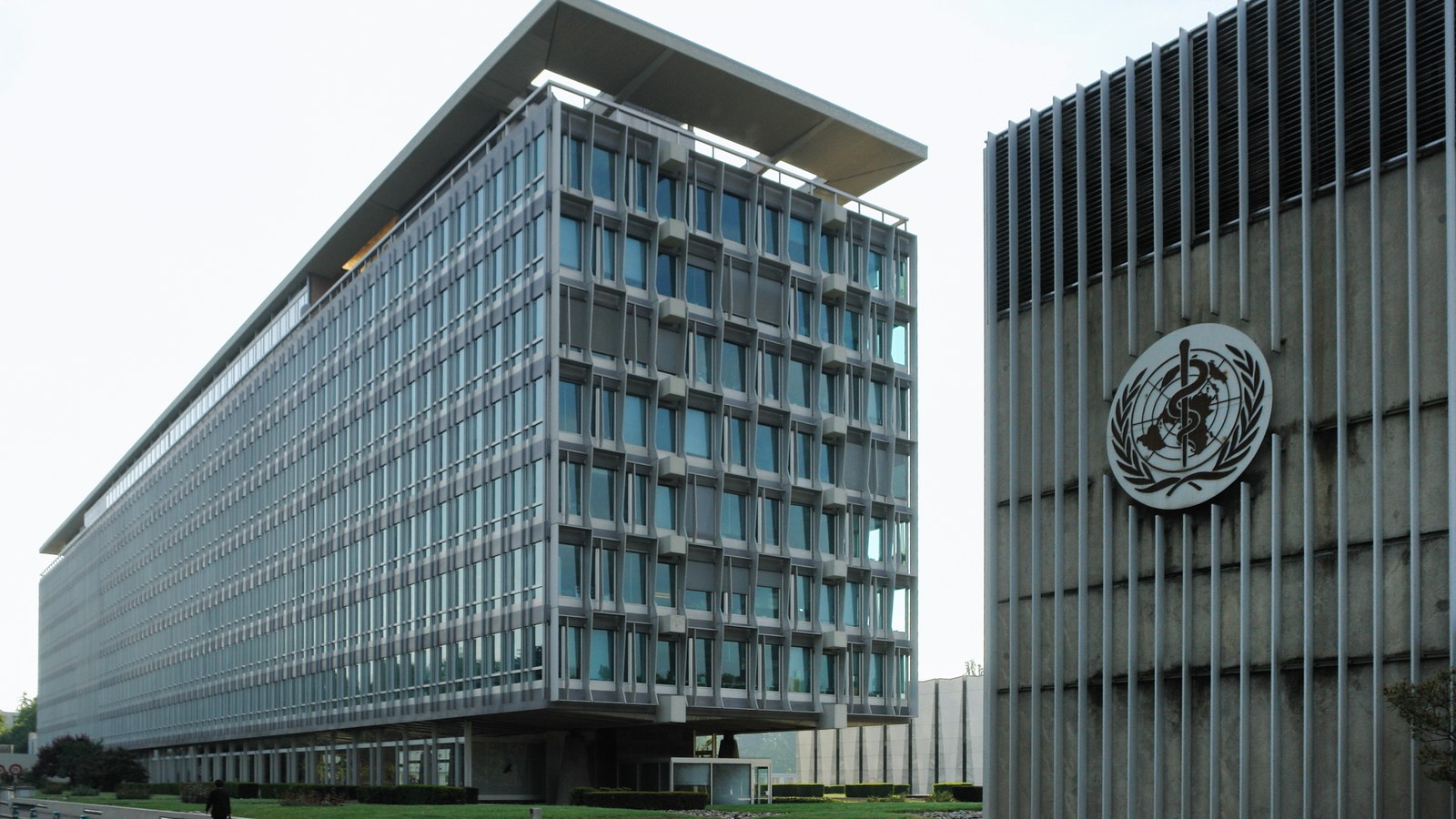
Image: Yann Forget, WHO headquarters in Geneva, 21 May 2007, CC BY-SA 3.0, Wikimedia Commons; the building in 2007, not Wednesday launch.
Sources consulted: WHO warning: Heatwaves raise the risk of preterm birth and miscarriage - Digi24, 21 October 2026; New global framework launched to track increasing health risks of extreme heat for pregnant women, newborns and children - WHO, 21 October 2026.











0 Comments
No comments on this article yet. Be the first!