
In Dili, the capital of Timor-Leste, countries of the WHO South-East Asia Region agreed to accelerate their response to tuberculosis. The commitments were set out at the 79th Session of the Regional Committee, held from 7 to 10 September 2026. They address an existing, disproportionately heavy burden of disease — not a newly declared outbreak.
The region is home to almost a quarter of the world’s population. In 2024, however, it accounted for about 34% of new tuberculosis cases worldwide. The World Health Organization estimates that some 3.68 million people developed TB in the region that year, and that around 433,000 people died from the disease. Harder-to-treat forms add to the challenge: about 150,000 people developed multidrug-resistant or rifampicin-resistant TB, more than 38% of the global burden of those forms.
Ministers and delegates put earlier detection at the centre of the plan. The approach combines diagnosis through ordinary health services with systematic screening and active case finding among high-risk and underserved groups. Wider use of WHO-recommended rapid tests, including molecular diagnostics and, where appropriate, digital tools, is intended to shorten the gap between symptoms, confirmation and treatment.
For people with drug-resistant tuberculosis, countries want care that is closer to the patient’s needs: quality treatment, nutritional and community support, and action against stigma and discrimination. Social, financial and geographical barriers are treated as reasons why some people never reach care.
Prevention is a separate strand. Access to TB preventive treatment is to be expanded for eligible household contacts and other people at higher risk. Infection prevention and control is to be tightened, and the response is also meant to address risk factors that make tuberculosis more likely, including undernutrition, diabetes and tobacco use.
A decade of data shows movement, but not enough. Since 2015, TB incidence in South-East Asia has fallen by about 16%, compared with about 12% globally, and deaths have fallen by about 23%. Treatment coverage now exceeds 85%, and WHO says treatment success rates are the highest among its regions. The End TB Strategy still aims, by 2030, for an 80% cut in incidence and a 90% cut in deaths compared with 2015. The current pace does not get there.
The cost for families remains heavy. Nearly 44% of TB-affected households in the region face what WHO calls catastrophic costs — a very high financial burden, not a finding that households have gone bankrupt. Among households affected by drug-resistant TB, the share exceeds 80%. Public financing has not kept up: about US$900 million was available for the regional response in 2024, against an estimated need of around US$3 billion. Member States therefore called for more domestic resources, more efficient spending, and pooled or coordinated procurement of medicines, diagnostic tests and other essential products.
No new tuberculosis vaccine was launched in Dili. Regional modelling cited by WHO suggests that if a vaccine were introduced from 2028 together with better treatment, rapid diagnosis, targeted prevention and active case finding, it could avert around 1.45 million new cases and about 300,000 deaths by 2030. That is a planning scenario for health systems, not an approval and not a guaranteed start date.
Closer cooperation among countries — including South-South collaboration, cross-border referral and continuity of treatment for mobile and migrant people — is part of the agreed response. Communities, civil society organisations and people affected by TB are expected to have a clearer role. The decisions in Dili reaffirm the 2030 goal; the 2024 figures show why it remains hard: the region still accounts for roughly one-third of new tuberculosis cases worldwide.
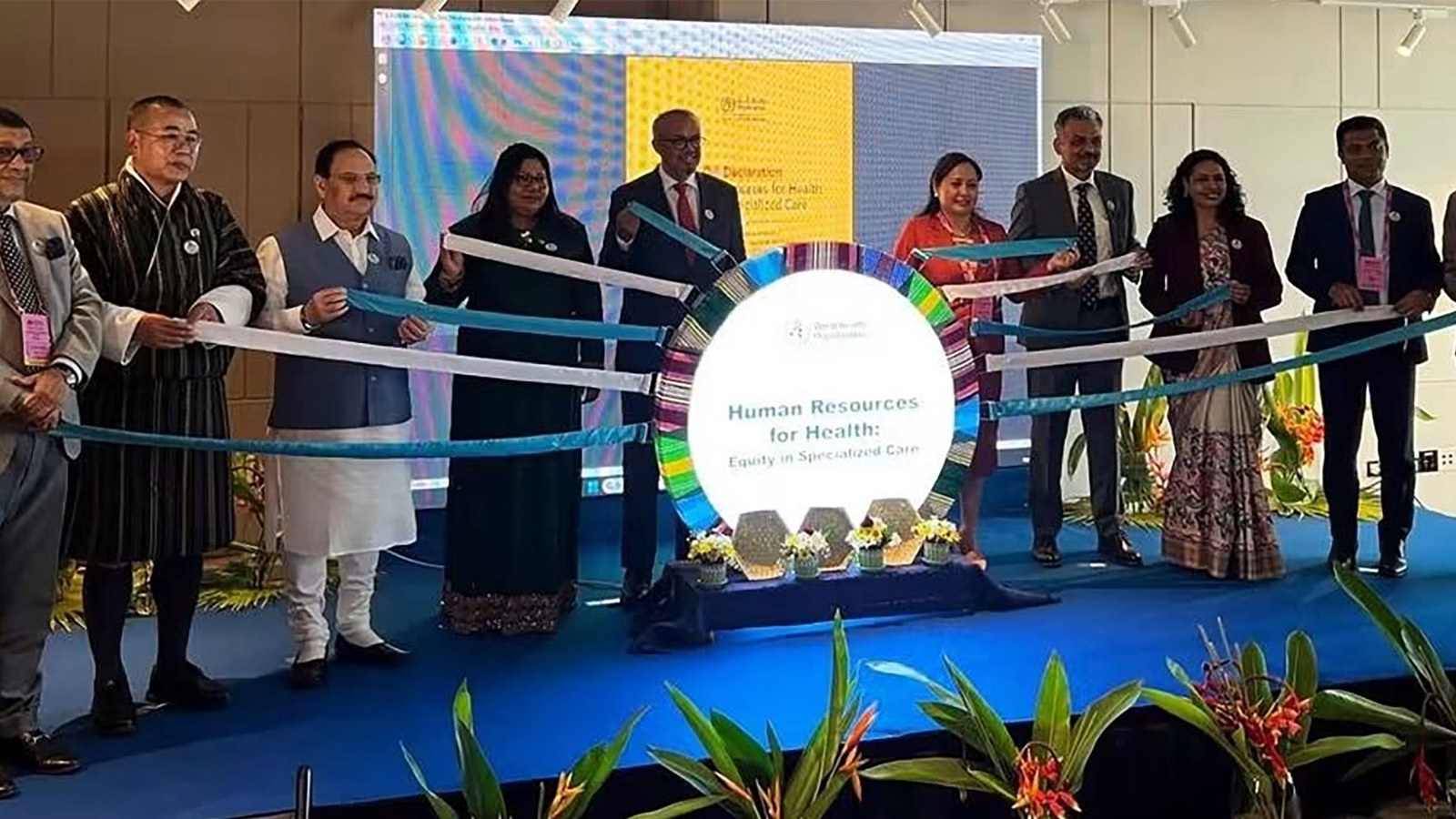
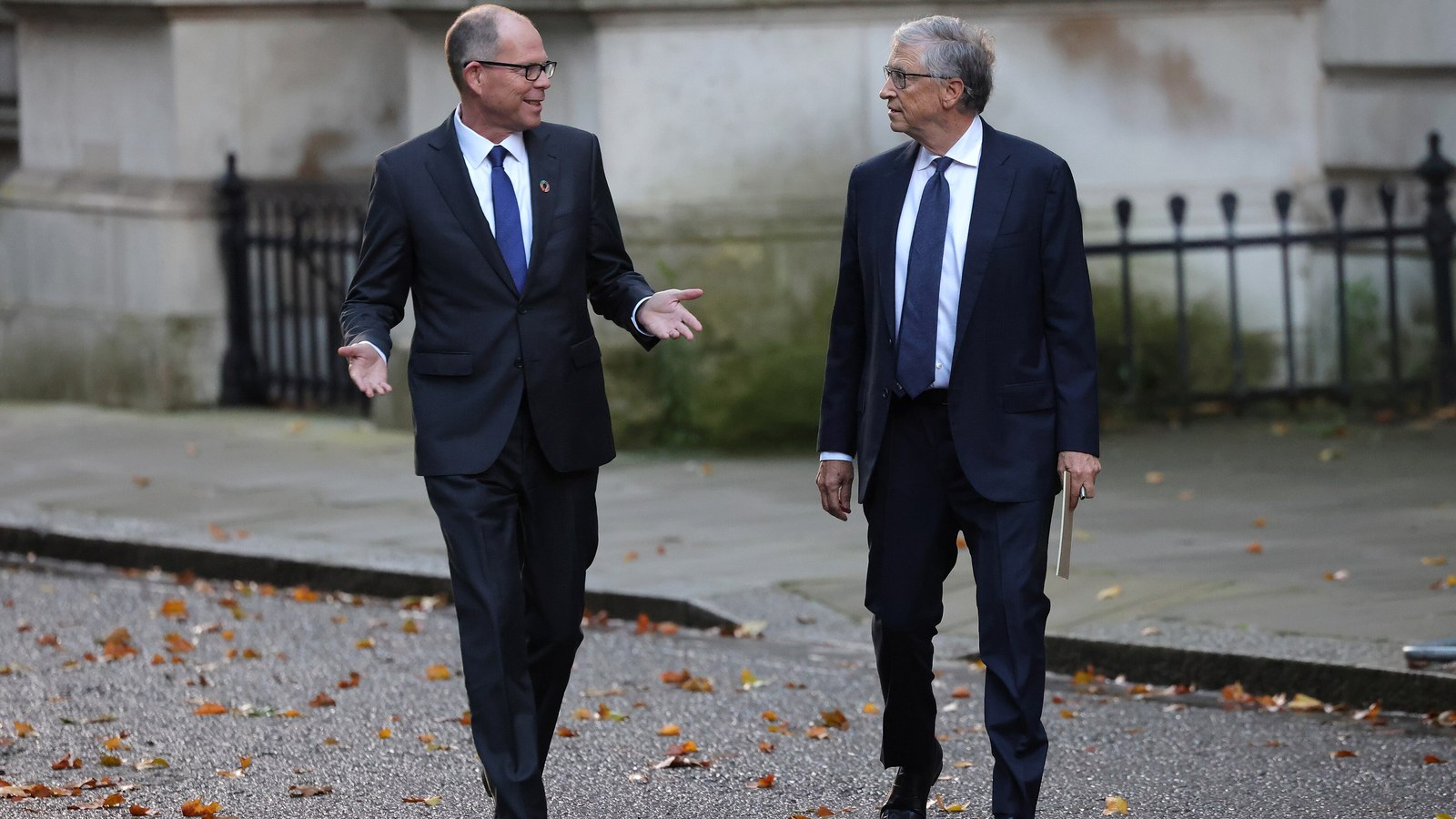
Photo: Press Information Department, Bangladesh (public domain). Ministers and delegates at the 79th Session of the WHO Regional Committee for South-East Asia, Dili, 8 September 2026. The photograph records a human-resources-for-health ceremony at the same meeting; it is not a TB-only event.
Source consulted: WHO South-East Asia Region commits to stronger action to close gaps to end TB | WHO South-East Asia; WHO South-East Asia Regional Committee session concludes with landmark decisions to advance equity and health for all | WHO South-East Asia.





0 Comments
No comments on this article yet. Be the first!