
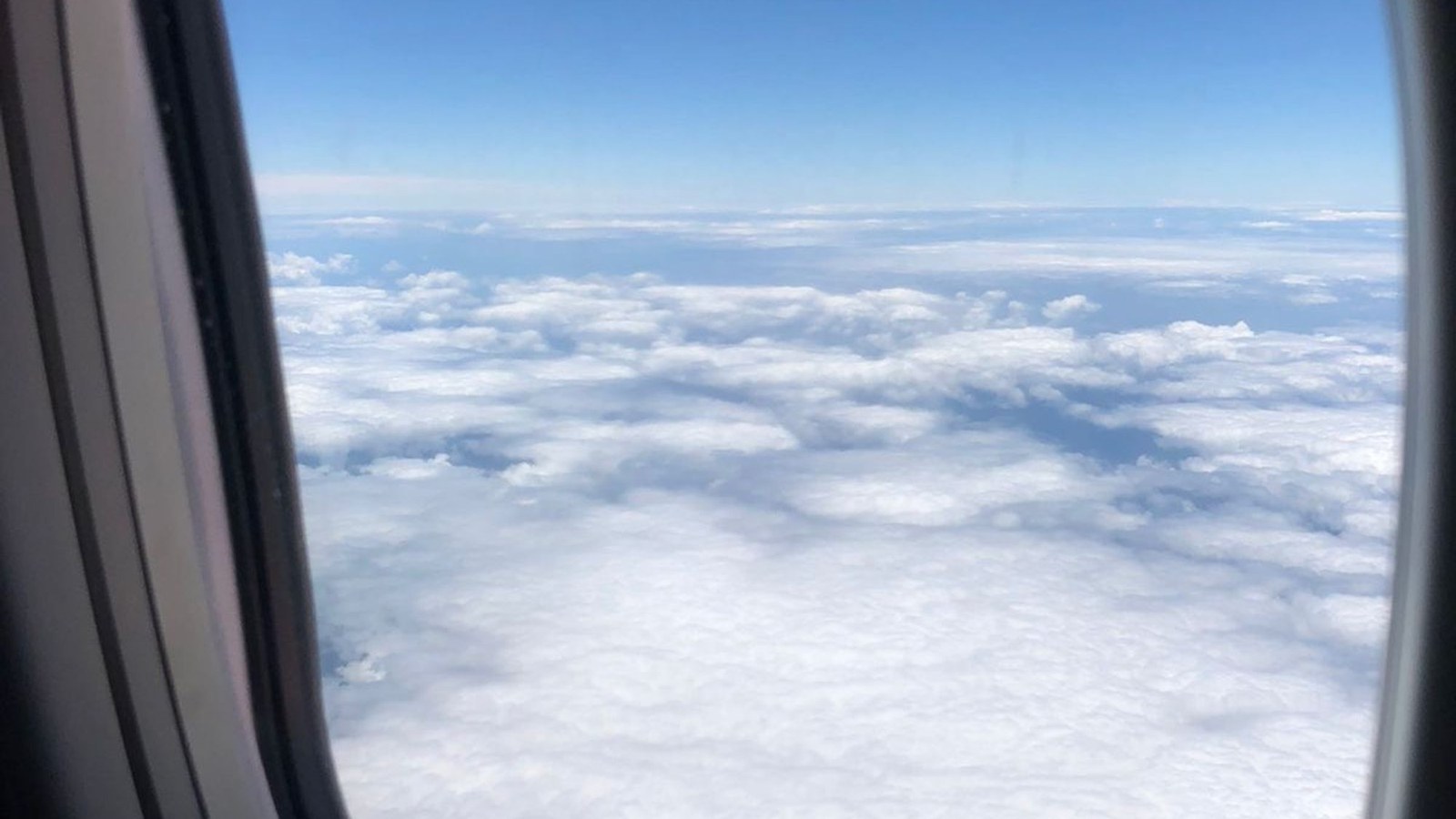
Airliner windows are small and rounded, even though a rectangle would give a wider view. The reason is the pressure difference between the cabin and the thin air at altitude, not cabin styling.
In cruise the cabin is pressurized so passengers can breathe. The fuselage is pushed slightly outward; after landing the load returns. Thousands of such cycles produce structural fatigue. A cut-out with sharp corners concentrates stress; a continuous curve spreads it around the opening.
The lesson became harsh in the 1950s with the de Havilland Comet accidents. British investigation reports linked metal fatigue and stress concentration around fuselage openings to in-flight break-up. It was not merely an “ugly window,” but geometry, materials, manufacture and pressure cycles taken together.
The pane beside a seat is an assembly. The outer pane generally carries the pressure difference; the other layers insulate and protect. The small hole in the inner pane helps equalize pressure and manage condensation between layers. The arrangement varies by aircraft type.
The modest size leaves more structural material in the fuselage. Engineers balance visibility, mass, comfort and certification. Each opening is calculated with its surrounding reinforcement, not as a piece of furniture.
The rounded shape is therefore a visible safety lesson, not a fashion. The Smithsonian holds a Comet fuselage as a collection object; certification rules, from the FAA and its counterparts, still require the whole system — not just the window outline — to survive an airframe’s life cycles.
Image: aircraft window / Wikimedia Commons. A contemporary porthole, not a 1950s Comet fuselage. Cropped to 16:9.
Source consulted: Accident report, de Havilland Comet G-ALYP | UK AAIB; de Havilland DH-106 Comet 1A fuselage | Smithsonian.









0 Comments
No comments on this article yet. Be the first!