
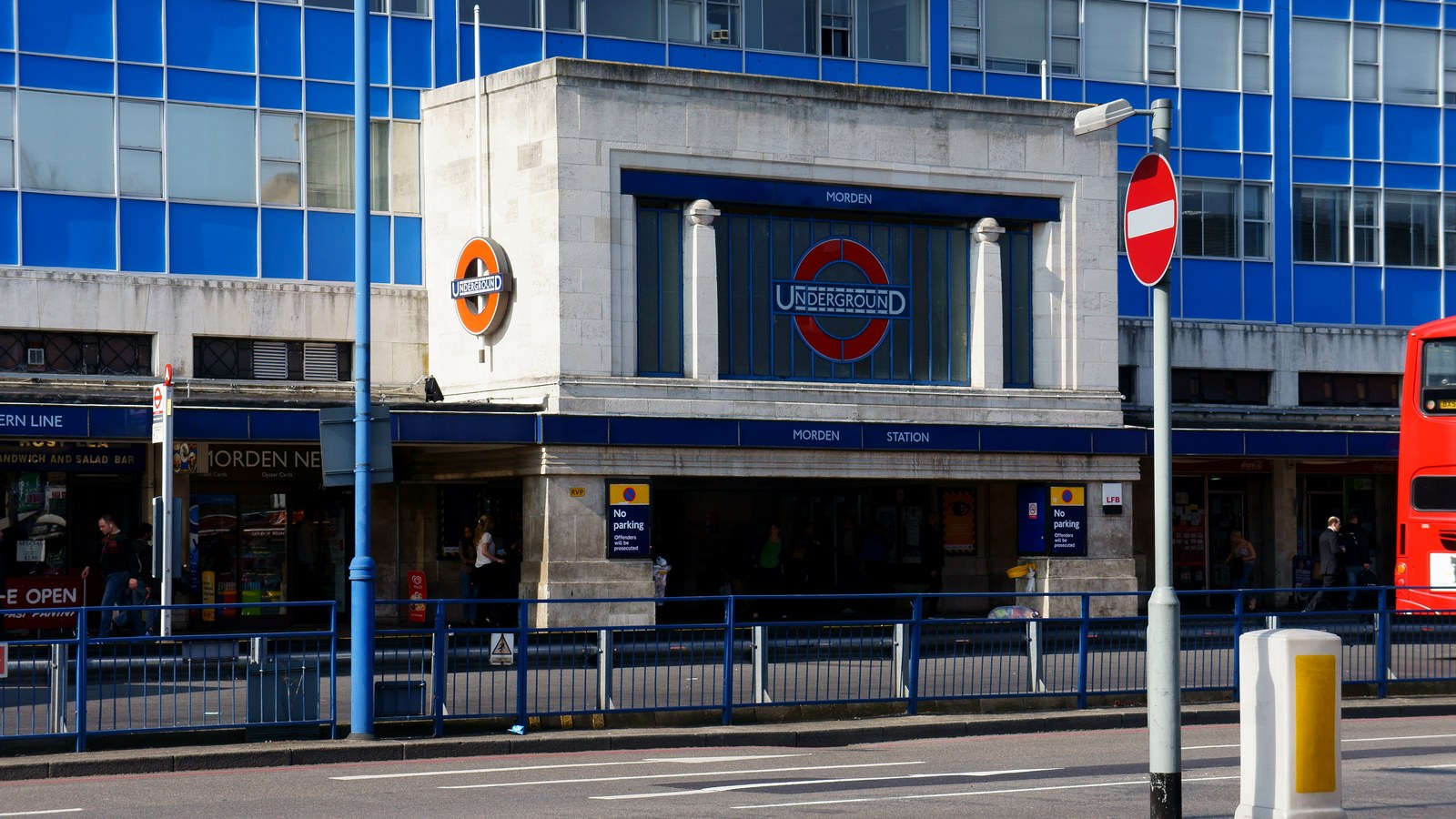
London is marking this weekend a century since the Underground extension that took the Tube to Morden and reshaped the south of the British capital. Transport for London and local communities are holding events today, 12 September 2026, for the centenary of the line that opened seven new stations between Clapham South and Morden.
The exact calendar anniversary falls on 13 September. The seven stations opened to the public on 13 September 1926. A century later, the route remains part of the Northern line and of everyday London life.
Seven stations that changed south London
The 1926 extension carried the Underground much deeper into south London. The stations opened then were Clapham South, Balham, Tooting Bec, Tooting Broadway, Colliers Wood, South Wimbledon and Morden. The areas they served looked very different from today's densely built neighbourhoods. The new link with central London encouraged housing, business and infrastructure and helped urbanise communities that had previously been considerably more rural. Morden is one of the clearest examples.
Morden transformed by the Underground
Before the extension, Morden was closer to a rural settlement on London's edge than to the urban suburb familiar today. The arrival of the Tube shortened the journey into the centre and accelerated development. Merton's photographic heritage archive records that by the end of its first year, Morden Underground Station was used by more than 500,000 people each week. Homes, shops and other services grew around the new infrastructure, and the character of the area changed dramatically.
Charles Holden's architecture
The extension also matters in the architectural history of the London Underground. Its stations were designed by Charles Holden, one of the architects who defined the Tube's visual identity. Their design, modern for the period, used clear geometric forms and bright spaces so the buildings were easy to recognise. They were Holden's first Underground stations. Ideas developed here later influenced many other stations across London's network.
A treasure hunt through seven stations
To mark the anniversary, Transport for London is holding an activity today that turns an Underground journey into an exploration of the line's history. Participants start at Morden Station, collect a pack of clues and questions, and follow the historic extension stations through to Clapham South. The questions concern architecture, heritage and how the Underground works. The activity runs from 11:00 to 15:00. People travel between stations by train, at their own pace; it is not a race.
Morden celebrates its station
Separately, Merton Council is holding a celebration today of Morden Tube Station's 100 years, from 11:00 to 16:00. The programme includes live music, poetry, artwork, heritage photography and memories from former station staff. The anniversary therefore marks not only transport infrastructure but also the relationship the station has built with the local community over the past century.
From 1926 to 2026
On 13 September 1926, the opening of the new stations changed transport in south London. A hundred years later, those same stations still carry passengers every day. Charles Holden's buildings have become part of the Underground's architectural heritage, and development around the line permanently transformed this part of the capital. The centenary shows how a single transport investment can shape a city for generations. What began in September 1926 as an Underground railway extension has, a century later, become an ordinary part of London life.
Source consulted: Step back in time as TfL celebrates 100 years of the Northern extension to Morden (Transport for London). Events: Morden Extension Centenary Treasure Hunt (Open House Festival); Celebrate 100 Years of Morden Tube Station (Merton Council). Historical context: Morden Underground Station in 1932 (Merton Memories Photographic Archive). Image: contemporary facade of Morden station, photographed by Peter Trimming, Geograph 2878187, CC BY-SA 2.0; this is not a 1926 photograph.




0 Comments
No comments on this article yet. Be the first!