
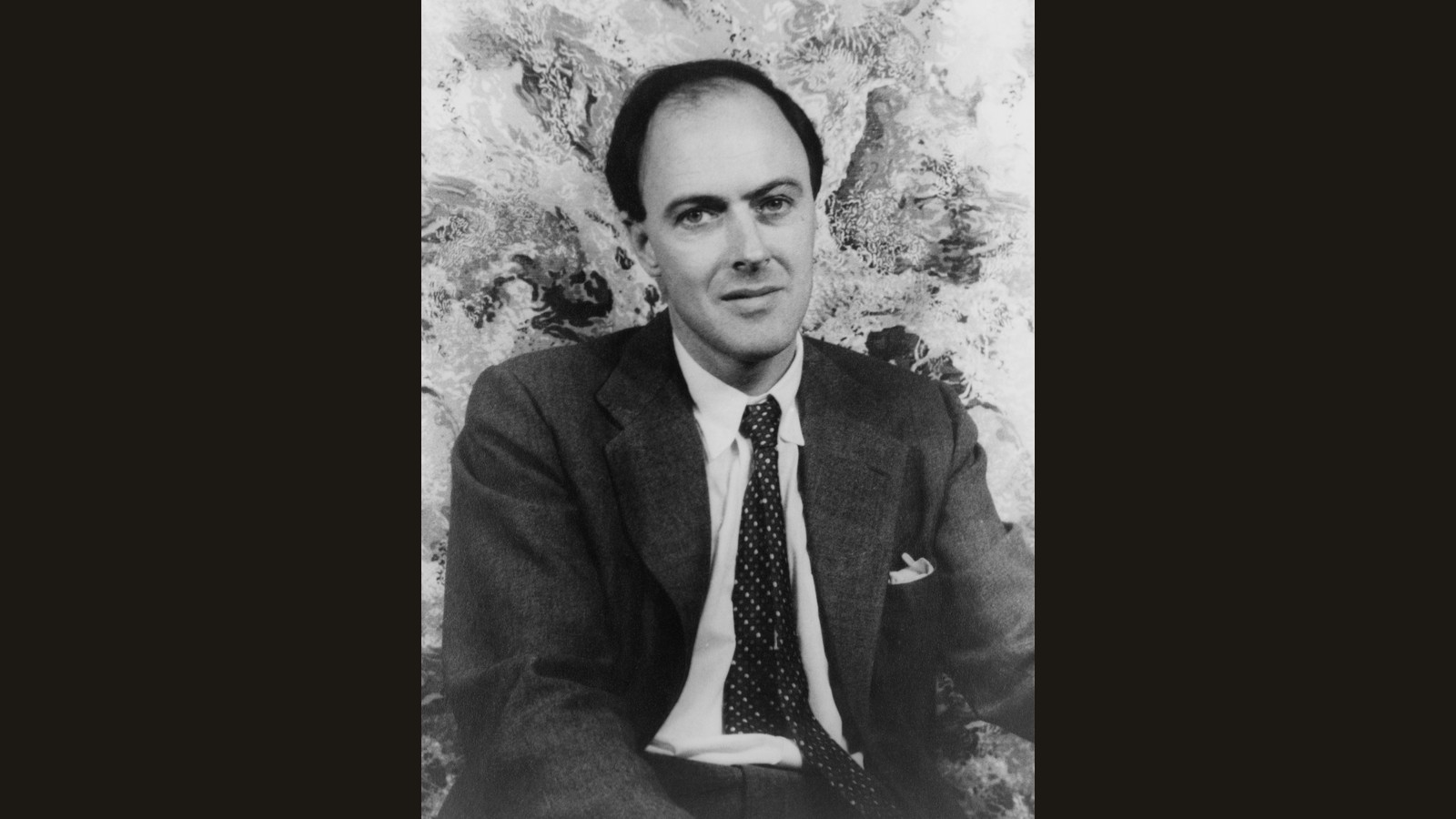
On 13 September 1916 Roald Dahl was born in Llandaff, near Cardiff in Wales, the author who would become one of the best-known voices in twentieth-century children’s literature. 2026 marks 110 years since his birth. He came from a family of Norwegian origin. Before he became known as a writer, his life took a different path: during the Second World War he served in the Royal Air Force as a fighter pilot. The official Roald Dahl website also notes his wartime intelligence work. Those years helped shape the beginnings of his literary career.
From pilot to writer
After the war Dahl turned increasingly to writing. He published stories for adults, screenplays and, later, books for children. Among the best-known titles are Charlie and the Chocolate Factory, Matilda, The BFG, James and the Giant Peach, Fantastic Mr Fox, The Witches and The Twits. A large part of his success came from combining dark humour, invention, exaggerated characters, adults who were often ridiculous or cruel, and clever, independent children.
Childhood inspiration and Great Missenden
Some of his childhood experiences later found their way into the books. The official website recalls that, while he was at boarding school, pupils were invited to trial experimental chocolate from a local factory. Decades later that experience helped inspire Charlie and the Chocolate Factory. Dahl lived and wrote for decades in Great Missenden, Buckinghamshire. The Roald Dahl Museum and Story Centre stands there today. The official site notes that many of the stories were written in the Writing Hut in the garden of his home.
A legacy that continues — and a contested one
Dahl’s stories have been adapted for film, theatre, musicals and television. Matilda and Charlie and the Chocolate Factory became international cultural phenomena, and the characters continue to reach new generations. The work remains highly influential, but any assessment of his legacy now also includes the antisemitic remarks he made during his lifetime. The Roald Dahl Story Company acknowledges those statements in public. It apologises unreservedly for the lasting hurt the comments caused and condemns anti-Jewish racism and all forms of racism and prejudice.
Why 13 September remains tied to his name
Dahl died in 1990. His birthday is still used for educational and literary activity. In 2026, 13 September is marked as Roald Dahl Story Day, an annual celebration of his stories, characters and worlds, also linked with fundraising for Roald Dahl’s Marvellous Children’s Charity. Schools and groups can host events from that date, including on nearby days. A hundred and ten years after his birth, the books remain in circulation, and debate about the man behind them is part of how he is read today.
Photo: Carl Van Vechten, 20 April 1954, Library of Congress collection (no known copyright restrictions). The portrait was not cropped, following the photographer’s estate request; it was placed on a 16:9 frame. Wikimedia Commons file.
Sources consulted: About Roald Dahl (roalddahl.com); Apology for antisemitic comments (Roald Dahl Story Company); Roald Dahl Museum & Story Centre; Roald Dahl Story Day (Roald Dahl’s Marvellous Children’s Charity).






0 Comments
No comments on this article yet. Be the first!