
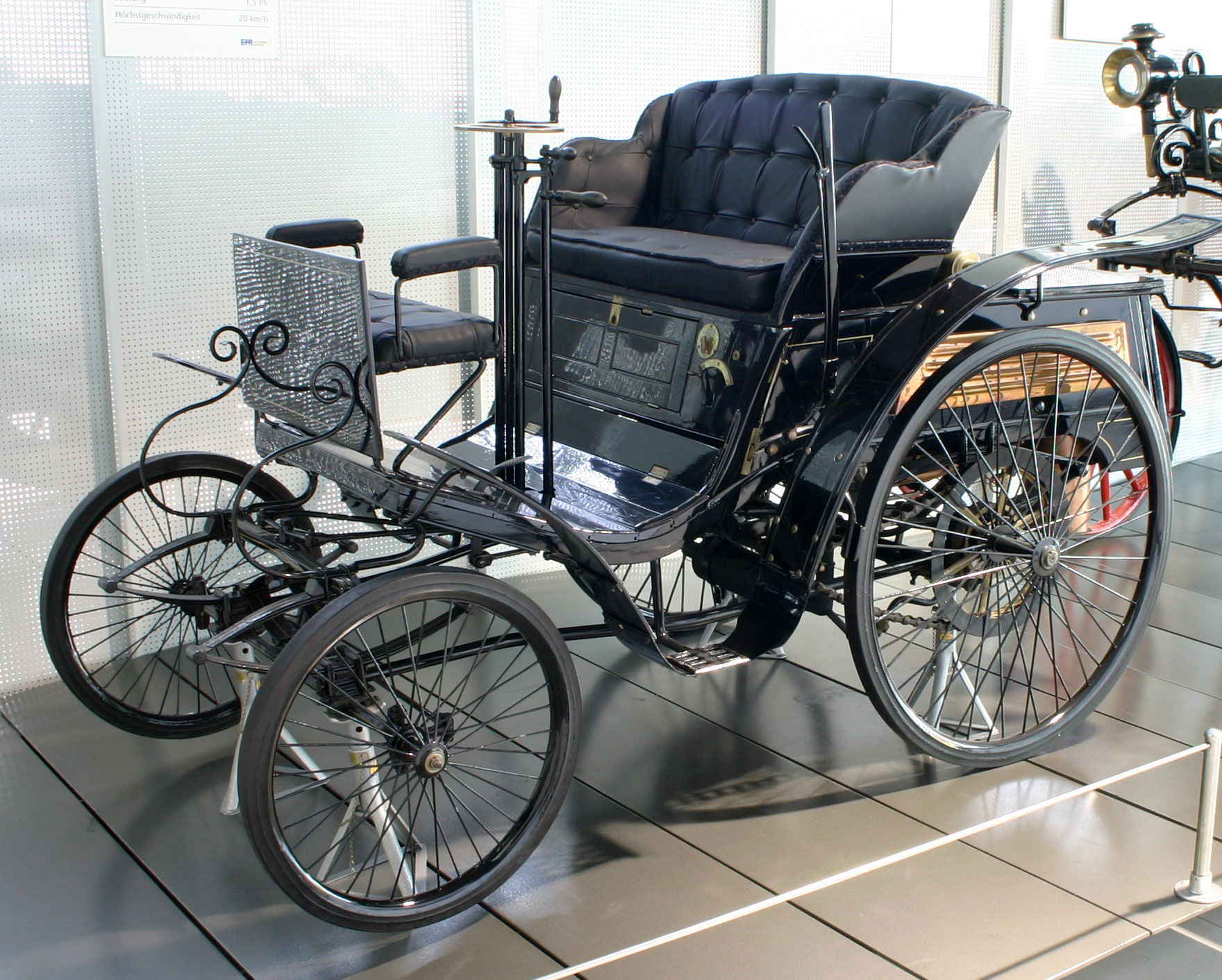
September 10, 2026 marks 129 years since an unusual episode in motoring history: the case commonly regarded as the first known arrest of a motor vehicle driver for driving under the influence of alcohol. The incident occurred in London on September 10, 1897, at a time when the automobile was still a relatively new sight on British streets.
The man involved was George Smith, a 25-year-old London taxi driver. Smith was driving a motorised taxi when he lost control of the vehicle and crashed into a building. Police intervened, and the driver was charged after it was determined that he had been under the influence of alcohol. Smith pleaded guilty and was fined 25 shillings.
From a modern perspective, the case may appear unremarkable. Every day, police forces around the world carry out checks aimed at identifying motorists who drive after consuming alcohol. In 1897, however, the situation was completely different. The automobile itself was a relatively new technology. Practical automobiles powered by internal combustion engines had emerged only a few years earlier, while infrastructure, legislation and traffic rules were struggling to keep pace with a technology that was beginning to transform transportation.
Britain had only recently begun removing some of the severe restrictions imposed on early motor vehicles. One year before George Smith's incident, the Locomotives on Highways Act 1896 had increased the permitted speed for light vehicles and removed some of the restrictive rules previously applied to automobiles. Cars were therefore beginning to become an increasingly visible presence on British roads. With the new technology, however, came new problems: road accidents, speed, driver responsibility and driving after consuming alcohol would gradually force authorities to create a legal system adapted to the motor vehicle.
In the 1897 case, there were no modern breathalysers, precise blood-alcohol limits or standardised procedures of the kind police use today. Those developments would come much later. In the United Kingdom, a statutory blood-alcohol concentration limit was introduced only in 1967 through the Road Safety Act. The same period also brought the use of breath testing as part of the enforcement of drink-driving legislation.
The difference between George Smith's world and the modern one is enormous. At the end of the nineteenth century, a motor car could still be a curiosity to pedestrians. Today, there are more than a billion motor vehicles worldwide, and road safety has become a major public health and public policy issue. Driving under the influence of alcohol is now punished in many countries through fines, licence suspensions, driving bans and, in serious cases, imprisonment.
Enforcement technology has also evolved. Portable breathalysers, blood tests, video cameras, electronic vehicle systems and other tools allow authorities to investigate situations that in 1897 would have been assessed almost entirely through observations made by police officers and witnesses. The case of George Smith is particularly interesting because it captures the moment when society was beginning to discover that the automobile represented more than simply a new form of transportation — it also created a new kind of responsibility.
A person under the influence of alcohol could now control a machine capable of travelling at increasingly high speeds through public spaces. Modern road traffic law would gradually develop in response to precisely these kinds of experiences accumulated during the earliest decades of motoring. One hundred and twenty-nine years after the London incident, George Smith's name remains associated with a distinction he probably would not have wanted.
An apparently minor crash on September 10, 1897 became a small chapter in the history of transportation and road safety. It is also a snapshot of an era of transition: a moment when the world was beginning to understand that the arrival of the automobile required not only better roads and engines, but also new rules for the people behind the wheel.
Source consulted: George Smith (taxi driver) | Wikipedia




0 Comments
No comments on this article yet. Be the first!