
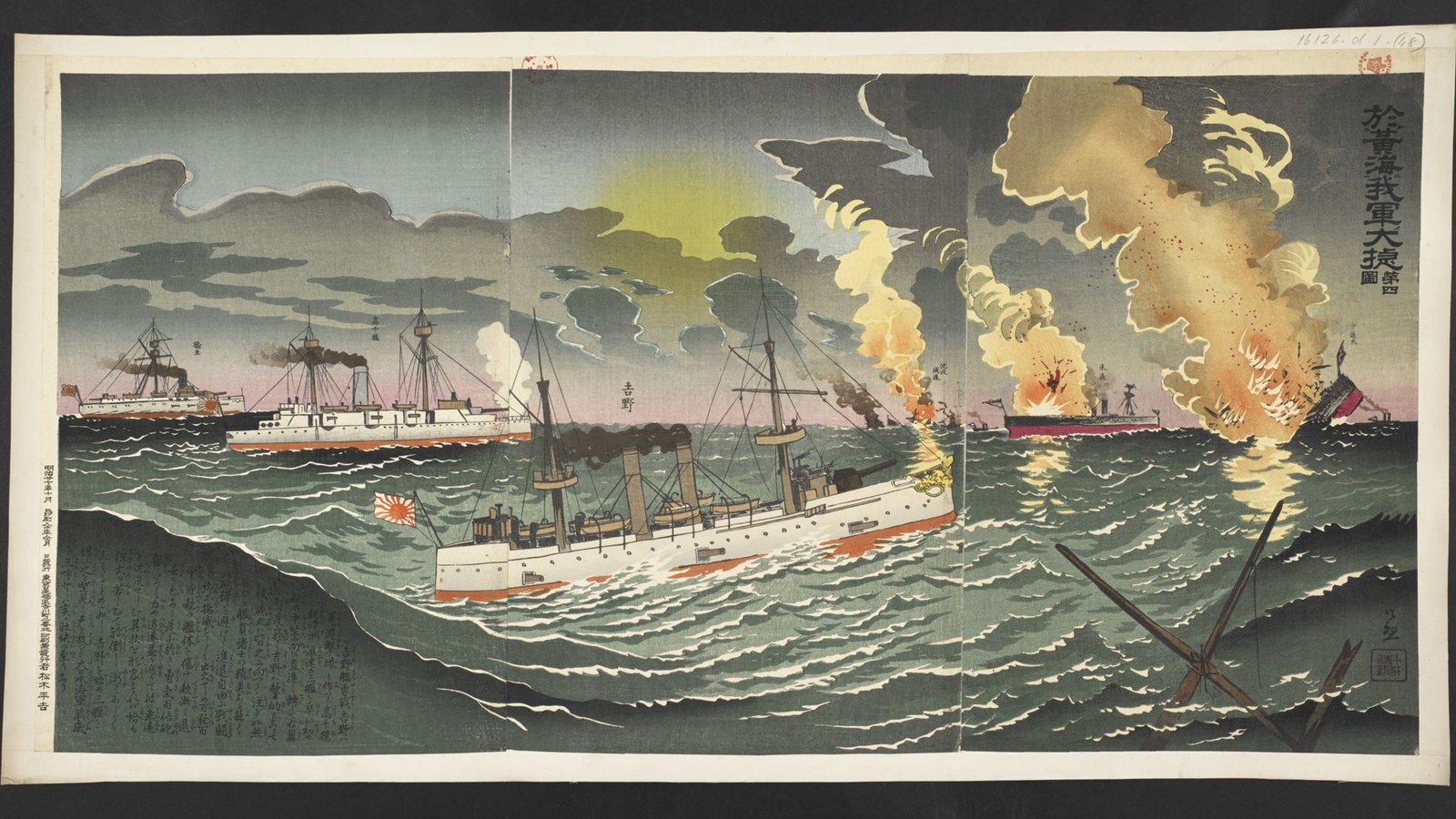
17 September 2026 marks 132 years since the naval Battle of the Yalu, the largest maritime engagement of the First Sino-Japanese War. In the Yellow Sea, near the mouth of the Yalu River, the Qing empire’s Beiyang Fleet met Japan’s Combined Fleet. The war had grown out of rivalry over influence in Korea.
The US Naval Institute published an analysis of the battle as early as 1895, and later Institute work still dates it to 17 September 1894. The Chinese fleet included heavily armoured ships; Japanese forces relied on speed, coordination and quicker-firing guns. The fighting lasted several hours.
The outcome was a severe defeat for the Beiyang Fleet. Several Chinese ships were sunk or put out of action; Japanese ships were damaged, but the Combined Fleet remained operational. Japan’s maritime advantage in the Yellow Sea was strengthened, and Qing China’s ability to contest Japanese landings and convoys declined.
Naval observers of the period studied the battle for lessons on armour, artillery, signalling and tactics. It should not be treated as a single-cause explanation of the whole war: fighting continued on land and at sea until 1895, when the Treaty of Shimonoseki marked the Qing defeat.
Both “Yalu” and “Yellow Sea” appear in specialist literature for the same engagement. This account uses the documented date of 17 September 1894 and does not turn the result into a commentary on contemporary politics.
One hundred and thirty-two years later, the battle remains a landmark of late-nineteenth-century naval history and of the shifting balance of power in East Asia.
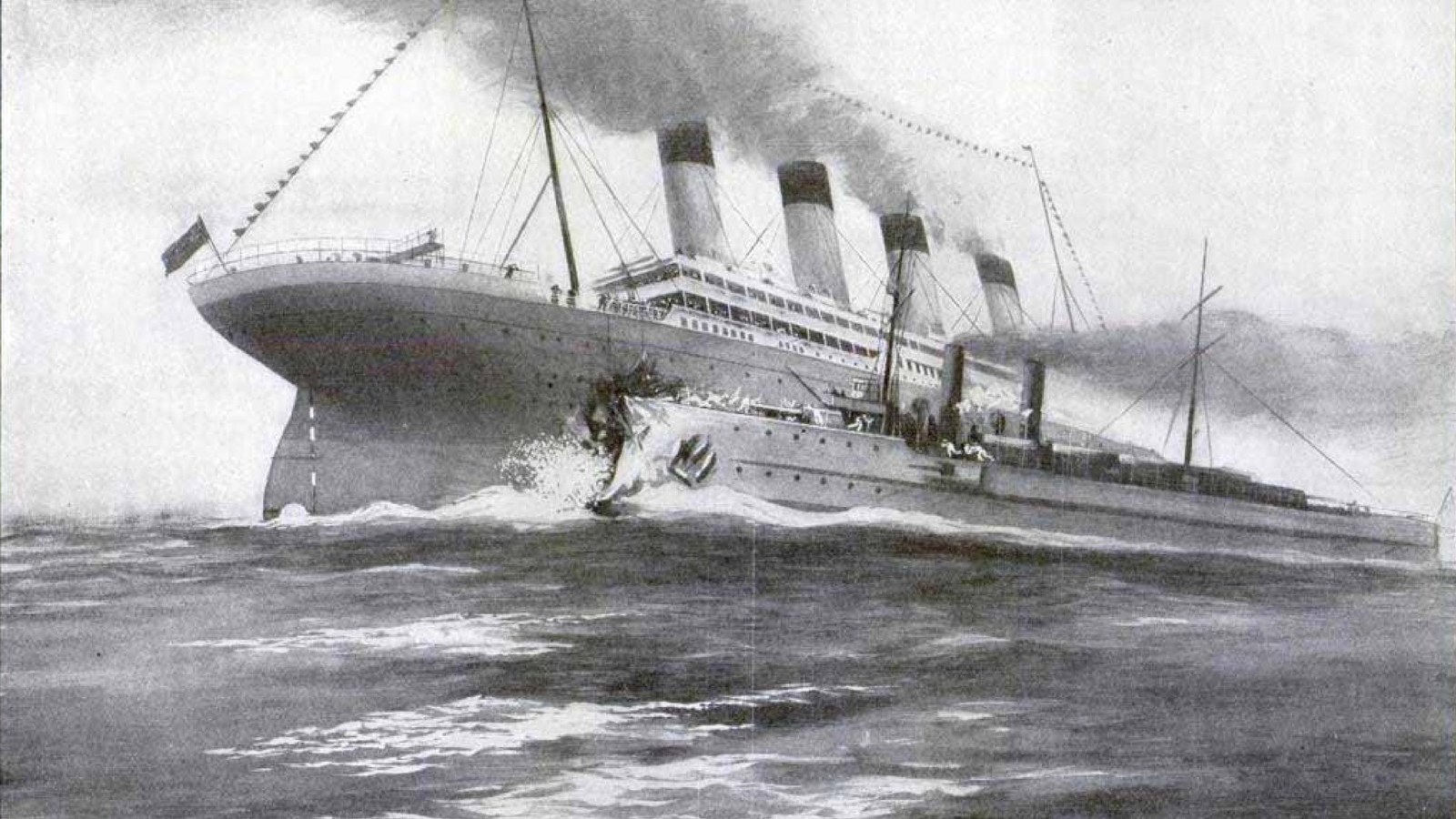
Image: Kobayashi Kiyochika, Battle of the Yalu, 1894. British Library / Wikimedia Commons, public domain. Cropped to 16:9.
Source consulted: U.S. Naval Institute Proceedings — The Battle of the Yalu (July 1895); U.S. Naval Institute — The Enduring Legacy of the War of Jiawu.






0 Comments
No comments on this article yet. Be the first!