
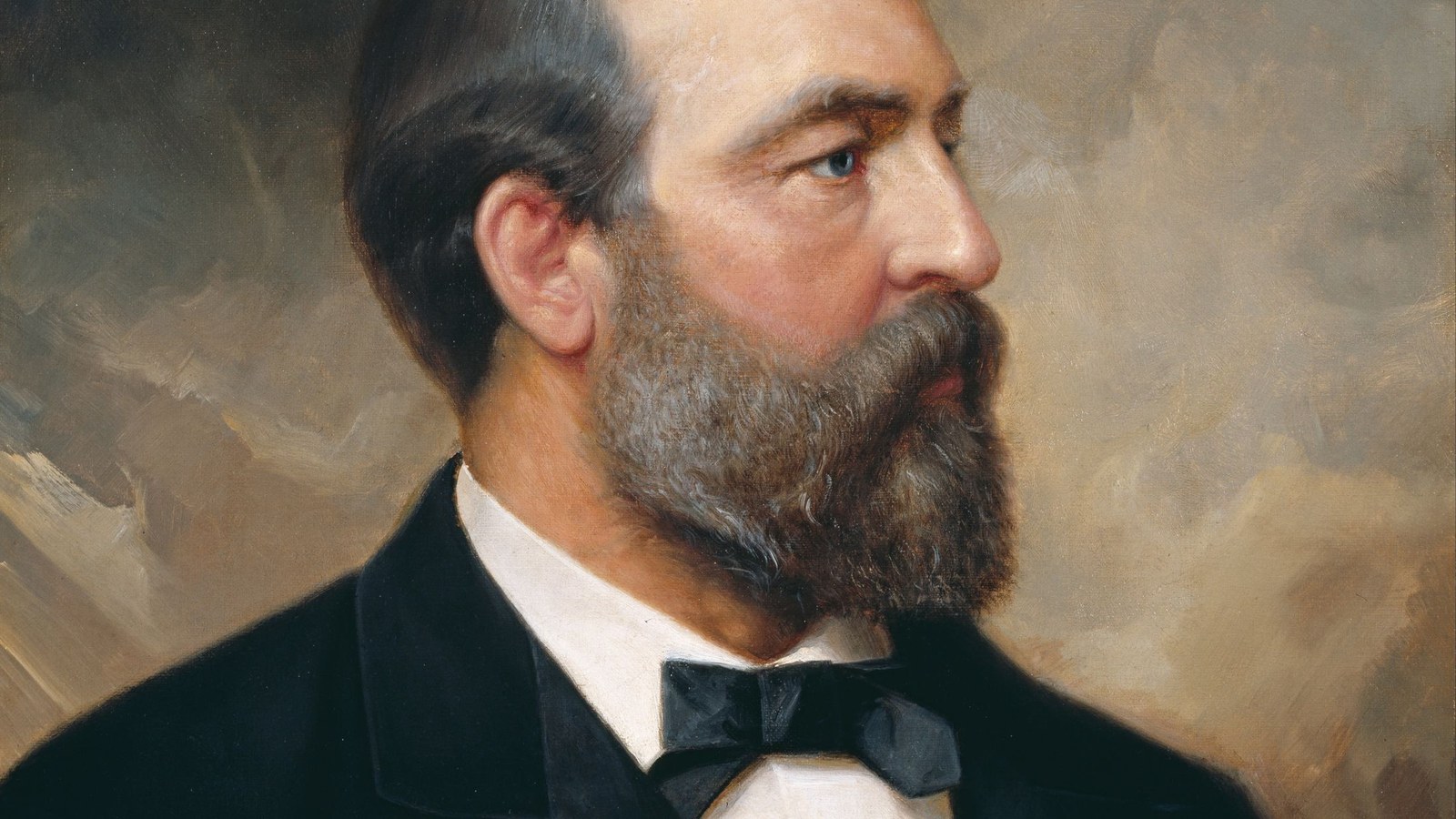
September 19, 2026 marks 145 years since the death of James A. Garfield, the 20th president of the United States. He died at Elberon, New Jersey, not the White House, after about 200 days in office.
Garfield had been shot on July 2, 1881, at Washington’s Baltimore and Potomac Railroad Station by Charles Guiteau, a disappointed office-seeker. The president survived the attack and remained conscious for a long period, treated first in Washington.
Doctors repeatedly tried to find the bullet, probing the wound with instruments and fingers at a time when Listerian antisepsis was not uniformly applied. Infection and complications worsened his condition. Alexander Graham Bell tested a metal detector; the search, limited to the area named by the chief physician, did not locate the projectile, and the bed’s metal frame interfered.
On September 6 he was moved to the New Jersey shore. The White House Historical Association records that he died on September 19 from infection and internal hemorrhage. The official autopsy cited secondary hemorrhage from a mesenteric artery, along with suppuration.
Vice President Chester A. Arthur succeeded him. Modern medical assessments discuss sepsis and, in the literature, other complications; the precise cause remains a matter of interpretation, not a simple claim that “the bullet killed him on the spot.”
The assassination increased pressure on the patronage system. The Pendleton Civil Service Reform Act of 1883 introduced examinations and merit rules for part of the federal service.
Image: James A. Garfield, painting by Ole Peter Hansen Balling, 1881 / public domain, Wikimedia Commons. A portrait, not the deathbed at Elberon. Cropped to 16:9.
Source consulted: James A. Garfield | White House Historical Association; James A. Garfield National Historic Site | National Park Service.








0 Comments
No comments on this article yet. Be the first!