
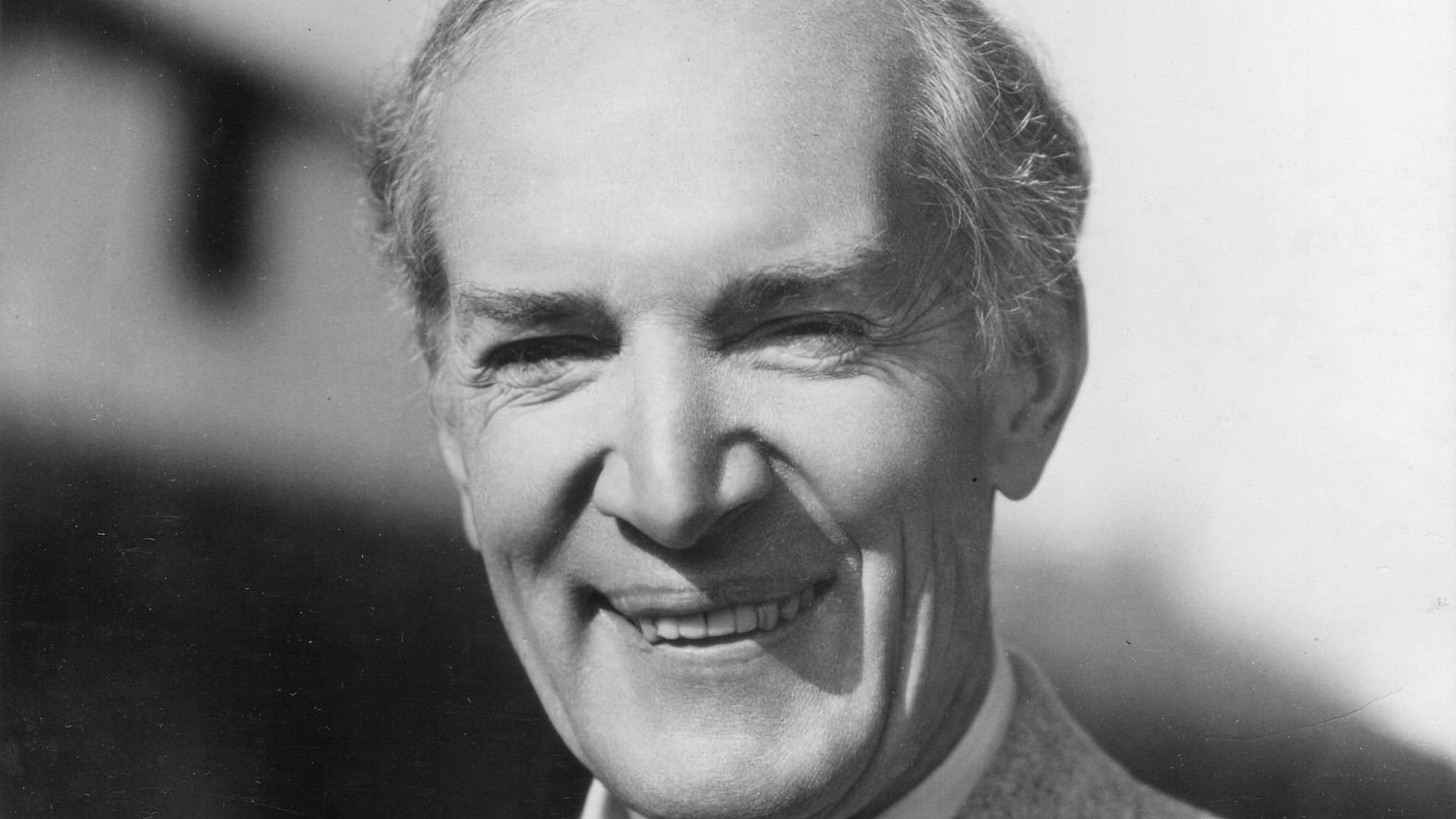
Upton Beall Sinclair Jr. was born on 20 September 1878 in Baltimore. He wrote dozens of books — novels, investigations, plays — and ran for office in California. He died on 25 November 1968 in Bound Brook, New Jersey. The 148th anniversary does not reduce him to a single title.
The Jungle, published in 1906, described Chicago’s slaughterhouses. The public scandal coincided with the federal debate on meat inspection and food. The Pure Food and Drug Act and the Meat Inspection Act of 1906 had several political authors; the novel sped up attention, it did not write the statutes alone.
Sinclair called himself a socialist and used fiction as inquiry. He attacked oil, mining, the press and the war industry. The method was called muckraking: long reporting, then narrative. Not every book matched the success of 1906.
In 1934 he ran as a Democrat for governor of California with the EPIC programme. He lost. The campaign showed how far he wanted reform to go and how firmly it was rejected.
In 1943 he received the Pulitzer Prize for fiction for Dragon's Teeth, from the Lanny Budd series set in 1930s Europe. Recognition came late, after decades of uneven output.
Encyclopaedia Britannica summarises the biography: Baltimore, The Jungle, the 1934 campaign, the Pulitzer, death in 1968. The Library of Congress keeps him as a name authority. Neither page is an unreserved eulogy.
One hundred and forty-eight years after his birth, Sinclair remains an American case of literature and politics together. No lyrics, and no myth that a novel changes the law overnight.
Image: Upton Sinclair portrait, 1934, unknown author, public domain, Wikimedia Commons.
Source consulted: Upton Sinclair — Encyclopaedia Britannica.








0 Comments
No comments on this article yet. Be the first!