
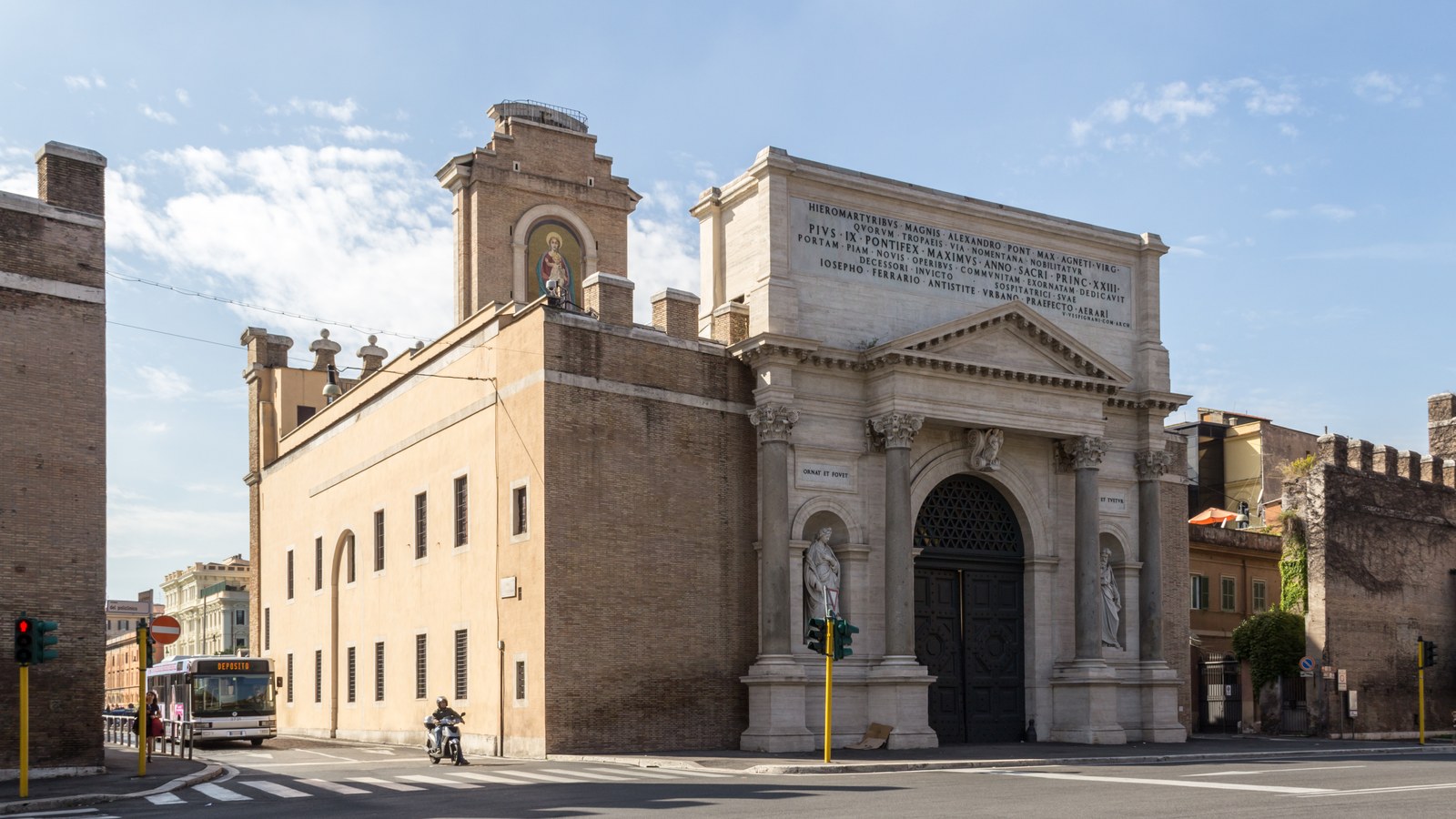
On 20 September 1870 artillery of the Kingdom of Italy opened a breach in the Aurelian Walls near Porta Pia. Bersaglieri and other units entered Rome. The city had remained outside the state formed in 1861: it was the centre of the Papal States under Pius IX, until then protected by a French garrison.
The Franco-Prussian War pulled France’s troops away. The Italian government sent the army. The morning bombardment was short; papal resistance limited. There were still casualties on both sides. Figures, if used, must be attributed.
A plebiscite confirmed the annexation of Rome and the land around it. In 1871 the city became the capital. The Pope did not recognise the act and considered himself a “prisoner in the Vatican”.
The Roman Question lasted until the Lateran Accords of 1929, which created Vatican City. The 1870 capture did not immediately close the dispute between Italy and the Holy See.
The date is a Risorgimento landmark. Readings differ by national, political or religious eye. This article avoids triumphalism and reducing the papacy to a stage obstacle.
The 156th anniversary is of the breach and the entry into the city, not of the “end” of every conflict between state and Church.
Image: Porta Pia, Rome / Wikimedia Commons. The gate as it stands, not the artillery breach of 20 September 1870. Cropped to 16:9.
Source consulted: The conquest of Rome | Encyclopaedia Britannica; Roma capitale and 20 September 1870 | Senato della Repubblica.




0 Comments
No comments on this article yet. Be the first!