
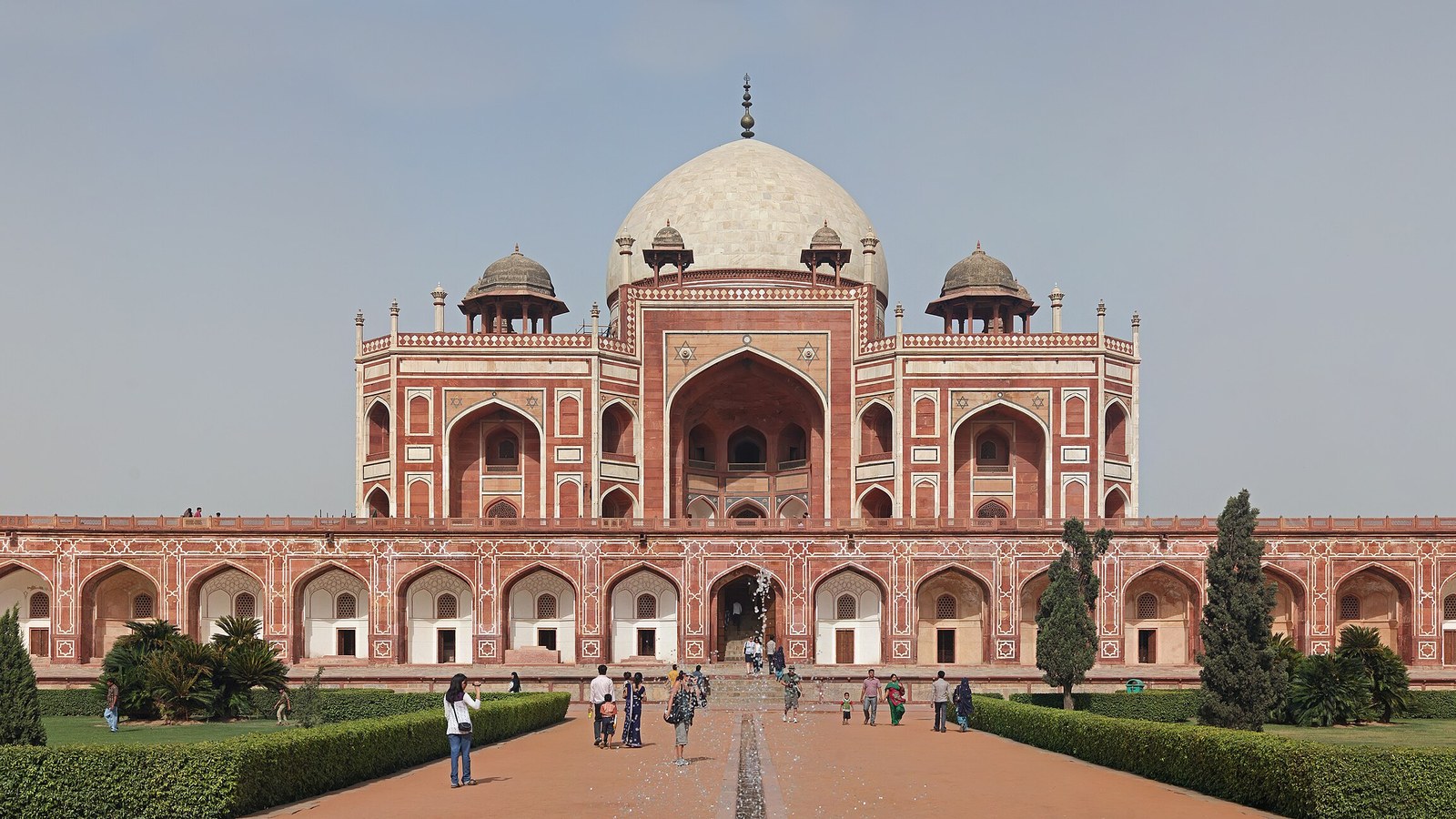
On 20 September 1857, East India Company forces took Bahadur Shah II, also known as Zafar, into custody at Humayun’s Tomb, south of Delhi. The recapture of the city, besieged for months and stormed through wall breaches from 14 September, was ending. The next day officer William Hodson shot two of the emperor’s sons and a grandson near Khooni Darwaza.
The revolt had begun in May at Meerut among sepoys — Indian soldiers of the Company — and spread through northern and central India. Rebels occupied Delhi and proclaimed Zafar their symbolic leader. The aged emperor had limited real power; the Mughal name still gave the rising a centre.
The siege was long. The assault of 14 September opened street fighting. John Nicholson was mortally wounded. British control of the city was declared complete on 21 September. Zafar, sheltering at Humayun’s Tomb, surrendered on the 20th after assurances that his life would be spared.
Hodson brought him back into the city. The next day he arrested the princes without a similar guarantee and executed them, citing fear that a crowd would free them. Their heads were shown to their father. Zafar was tried by a British military commission and exiled to Rangoon, in British-controlled Burma. The Timurid line at Delhi closed.
Recapture was followed by executions, looting, expulsions and destruction. Civilians bore a large share of the reprisals. Delhi’s urban and cultural life was lastingly damaged. This account does not reduce the event to a siege operation.
The names differ by interpretation: Sepoy Mutiny, Indian Rebellion of 1857, or India’s First War of Independence. “Mutiny” stresses Company discipline; “rebellion” and “war of independence” stress a challenge to rule. None of the terms is neutral.
The 169th anniversary is colonial history. Delhi, Zafar, Hodson and Humayun are enough names. Exact troop strengths and civilian death tolls remain estimates, not a settled inventory.
Image: Muhammad Mahdi Karim, Humayun’s Tomb, Delhi, GFDL 1.2, Wikimedia Commons.
Source consulted: The Indian Mutiny — National Army Museum.




0 Comments
No comments on this article yet. Be the first!